
Grand opening entertainment is the live music, hosting and performances arranged to celebrate the opening or reopening of business premises. The right grand opening entertainment ideas depend on whether visitors are dropping in, attending a scheduled ceremony or joining a private celebration.
Choose Entertainment for Your Opening Format
Start with how guests will arrive and what they’ll be doing.
| Opening Format | Entertainment to Consider | Main Practical Consideration |
|---|---|---|
| Public drop-in or open house | Acoustic music, DJ or roving performers | Keep browsing and customer service working. |
| Scheduled official opening | Professional MC and a short feature performance | Gather visitors without obstructing access. |
| Invitation-only celebration | Close-up magic, live band or DJ | Separate entertainment and hospitality from working areas. |
| Public day followed by a private evening | Different daytime and evening entertainment | Allow time to reset the premises between audiences. |
At Onstage, we’d start with what you want visitors to experience. A boutique could pair a DJ-led browsing atmosphere with a brief owner’s welcome. A showroom might combine acoustic music with an MC-led ribbon cutting. A hospitality venue could welcome the public during the day, then bring in a band for invited guests that evening.
You don’t need entertainment everywhere. Choose the moments that deserve attention, then leave room for customers to explore and speak with your team. For a drop-in event, estimate how many people will be present at once, not just the total visitors expected across the day.
Decide What the Entertainment Needs to Do
Before choosing an act, decide what job the entertainment needs to perform. A grand opening can have several distinct moments, and the same performer won’t necessarily be right for all of them.
- Welcome Visitors: Acoustic musicians, DJs and roving performers can create atmosphere while people arrive, browse and find their way around the premises.
- Support Conversation: Background music or close-up entertainment can add interest without asking customers, staff or invited guests to stop what they’re doing.
- Focus Attention: An MC, percussion act or short choreographed performance can bring everyone together for the official opening, ribbon cutting or welcome.
- Create a Celebration: Once trading or formalities finish, a live band, DJ or feature performance can shift the mood into an evening celebration.
Choose the purpose before choosing the performer. A DJ might be ideal for three hours of showroom browsing but unnecessary for a five-minute opening ceremony. An MC can bring structure to the official welcome but won’t provide background entertainment throughout a public open house.
If your opening has several phases, give each one its own brief. We can help you decide where entertainment will add the most value and whether one performer can cover several moments or different acts would work better.
9 Grand Opening Entertainment Ideas for Different Premises
These options cover the welcome, official opening and celebration afterwards. Choose those that suit your premises and audience.
1. An MC-Led Official Opening
An MC gives the occasion a recognisable host to welcome guests and introduce the people behind the business. Our professional MCs can guide the formalities and transitions between speakers and entertainment.
An office opening with several contributors needs focused introductions. For a family-run café, a short conversation with the owner could feel warmer than a prepared speech.
Give the MC approved names, pronunciations and a clear explanation of what the premises will offer. Keep the story about this opening, rather than turning the welcome into a lengthy company presentation.
2. Acoustic Music for an Open House
Picture guitar and vocals playing while visitors explore a furniture showroom or meet the team in a new office. The music adds to the welcome without asking everyone to stop and watch.
We can match a solo performer or duo to the atmosphere you’re creating. Instrumental music could suit detailed customer conversations, while familiar songs might complement a more social open house.
Schedule sets around expected arrival periods, with agreed breaks rather than an assumption of continuous performance. Arrange what guests will hear between sets.
3. A DJ for a Contemporary Retail Opening
For a fashion store, design showroom or contemporary hospitality venue, a DJ can provide an upbeat soundtrack without making the opening feel like a nightclub.
When considering our DJs for hire, describe the intended atmosphere rather than simply requesting “party music”. Relaxed browsing, lively conversation and evening dancing need different musical briefs.
Share reference tracks and any unsuitable lyrics or genres. Nominate one person to approve music changes and agree when announcements will happen.
4. Roving Performers to Welcome Visitors
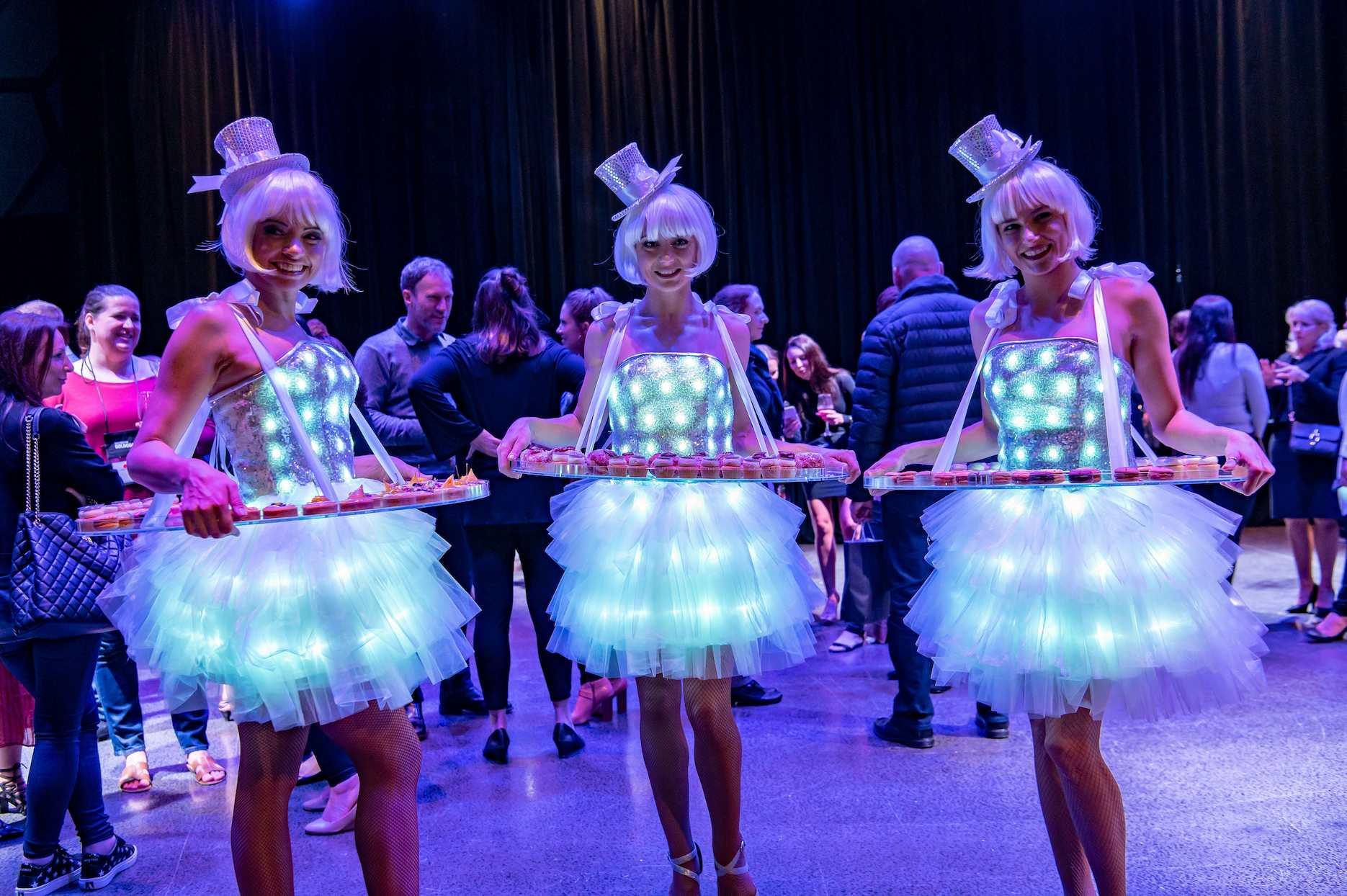
A mime or mirrored-costume performer can give visitors a playful welcome as they enter and explore. Our roving entertainers include visual and interactive acts suited to different audiences and settings.
For a family-friendly store opening, consider short interactions and opportunities for photographs. Position the welcome beyond the doorway so arriving customers have room to orient themselves.
Make interaction optional and identify areas performers shouldn’t enter, such as consultation rooms or neighbouring tenancies. Agree supervision arrangements separately when children attend.
5. Close-Up Magic During Staggered Arrivals
Close-up magic gives a small group its own performance while the rest of the opening continues. Instead of gathering everyone for a show, a magician moves between guests with intimate, sleight-of-hand entertainment.
We’d consider this for an invitation-only office reception, a showroom preview or drinks before a restaurant’s official opening.
Brief the magician to approach people who are free to participate, not interrupt a consultation or someone placing an order. Choose pockets of space where guests can pause, away from payment terminals and narrow aisles.
6. A Short Choreographed Performance
A dance performance gives guests a shared visual moment before they begin exploring or celebrating. For a spacious showroom or venue opening, we’d consider a routine that complements the setting without requiring elaborate production.
Ask the performers to assess the proposed floor with furniture and displays in place. Confirm the surface, usable performance area and entry and exit routes. Don’t rely on customers spontaneously clearing enough space when the music starts.
Choose a performance that works in the available light. A routine designed for a darkened stage may not suit a glass-fronted showroom.
7. A Percussion-Led Opening Moment
A percussion performance gives the official opening a rhythmic focal point before guests explore the premises. Consider it for a larger showroom or a forecourt with a dedicated audience area.
Our Bang! act features four percussionists combining rhythmic grooves, stick tricks and precision drumming. We can help assess whether that format suits your opening and the space available.
Agree a definite musical finish before the MC speaks. Check sound suitability before committing, including the effect on neighbouring businesses. For a forecourt opening, separate performers and spectators from vehicle movements, and plan how the area will return to normal use afterwards.
8. A Live Band for the Evening Celebration
Once the public opening finishes, a band gives staff, partners and invited guests a chance to celebrate together.
For a restaurant opening, you might favour relaxed music during hospitality before moving into a more energetic set. A larger showroom reception could include space for dancing once selected display furniture has been moved.
Decide whether guests will mainly listen, mingle or dance. That choice should shape the repertoire and layout. Agree who can move or secure stock, and keep equipment cases out of guest areas.
9. A Performance Tailored to Your Brand
For a flagship shop or a venue with a distinctive identity, a tailored performance can make the opening feel specific to the business. The connection might come through costume colours, musical direction or choreography that reflects the setting.
We can discuss customisation across suitable feature acts.
Adapting an existing act is different from commissioning a new show. Agree exactly what will change, who approves it and what development time is required. Keep the focus on welcoming people into the premises rather than presenting a product demonstration.
Give the Official Opening a Clear Beginning and Finish
Give the MC, performers and technical team one agreed sequence, with one person responsible for coordinating the cues.
1. Gather visitors. The MC announces the approaching ceremony while designated staff help guests find viewing positions. Keep someone available for customers and late arrivals.
2. Introduce the business. Give the owner or spokesperson time to explain what the new premises will offer and acknowledge the people involved.
3. Cue the opening moment. Confirm that the performers, speakers and photographer are ready before starting the agreed performance, music or ribbon cutting.
4. Hand Back to the Premises. Invite guests to explore, join a hosted tour or return to the hospitality area. Resume background music when appropriate.
Agree a pause cue with every performer within earshot of the ceremony, including acts in adjoining areas. Confirm who gives the cue and when entertainment should resume. Position the ribbon without blocking the accessible entrance, and publish the ceremony time separately from the opening hours.
Separate the Public Opening from the Private Celebration
A public open house and an invitation-only evening need different briefs. Acoustic music might accompany daytime browsing, followed by a band or DJ for the private reception.
Build a proper changeover into the day. Allow time for cleaning, furniture changes, equipment access and soundchecks rather than expecting the evening to begin as the final customer leaves.
Make the public finish and private arrival times clear. Assign staff to manage the guest list and explain the change of access, leaving performers free to prepare.
For openings in Brisbane and South East Queensland, our event planning and coordination support can cover supplier liaison, the run sheet and on-site event management, depending on the help you need.
We can coordinate the agreed entertainment and event arrangements while your team focuses on welcoming customers. Tell us what the premises or venue team is already managing so responsibilities are clear from the start.

Keep the Premises Working Around the Entertainment
Walk through the layout with the business operator and entertainment team. Consider people shopping, working and passing through, not just those watching.
Protect Entrances, Displays and Customer Service
Trace the route from the entrance to tills, displays, toilets and hospitality areas. Allow for guests stopping to watch, rather than measuring only the performer’s equipment.
Keep accessible routes and emergency exits unobstructed. Plan suitable viewing positions and a quieter place away from the main activity. The Australian Human Rights Commission’s accessible event guidance can help you assess the layout and support guests’ participation.
Avoid hiding merchandise or restricting service counters with equipment. Staff should remain responsible for customer directions and queues, rather than expecting roving performers to manage them.
Check Sound and Relevant Approvals
During soundcheck, try a normal conversation at the till, reception desk or consultation area. Can staff answer questions comfortably? Agree speaker placement with the technical team and check how the sound carries towards nearby businesses.
For shopping-centre or leased premises, confirm relevant requirements with centre management or the landlord. Check permitted performance areas and supplier access before advertising the entertainment.
Ask the relevant local authority about approvals for the proposed activity. Brisbane City Council’s event permit guidance explains local requirements; other councils may have different arrangements.
Confirm music-licensing responsibilities with the business or venue, and check the planned use with OneMusic Australia where necessary. Don’t assume an existing background-music arrangement covers every performance at the opening.
Coordinate Setup and Outdoor Alternatives
Schedule performer access around stock deliveries, fit-out contractors and staff preparation. Confirm when the premises will be ready for equipment, rather than using the building handover time as the soundcheck time.
For outdoor entertainment, an awning isn’t a complete contingency plan. Agree an alternative location that accommodates performers, equipment and guests without making the business inaccessible.
Discuss rain, heat and wind with the performers and relevant suppliers. Nominate who monitors conditions and makes relocation or cancellation decisions. Where there’s no workable backup, choose an indoor format from the outset.
Make Community Involvement Genuine
A neighbourhood opening can give local musicians or community organisations a meaningful role in welcoming people to the business. Agree their contribution, payment, credit and practical support.
Let cultural contributors guide how their work is presented rather than using costumes or music as decorative shorthand.
A Welcome to Country is a cultural protocol, not an interchangeable entertainment option. It is delivered by Traditional Owners or Aboriginal and Torres Strait Islander people authorised by them. Arrange it with the appropriate local representatives at the beginning of the formal programme, following Reconciliation Australia’s guidance.

Let’s Give Your New Premises a Proper Welcome
The right grand opening entertainment ideas should make your premises welcoming, give the official opening a clear focus and leave visitors free to explore. We can help you choose professional MCs for the ceremony and live bands and musicians for an open house or evening celebration.
Contact our team with your premises type, location, opening date, audience, public or private format and working budget. Include an estimate of how many guests will be there at once, plus a few photographs or a floor plan where available.
You don’t need to choose the act or finalise the layout before speaking with us. Tell us what you’re opening and how you’d like it to feel, and we’ll help you explore suitable options.
Grand Opening Entertainment FAQs
How Much Should We Budget for Grand Opening Entertainment?
Start with the part of the opening you most want entertainment to support. For a public open house, you might prioritise music during the busiest arrival period. For a scheduled ceremony, an MC and a well-coordinated opening moment may deserve more of the budget.
Ask us to price a complete, workable option, including the performers and any necessary production. For a public day followed by a private evening, clarify early setup, waiting time and separate performance periods before comparing quotes.
Can One Performer Provide Music and MC the Opening?
Ask whether your preferred musician or DJ can deliver the hosting duties you need, and include them in the brief. A few announcements are different from introducing several speakers and coordinating a ceremony. Don’t assume that access to a microphone includes a full MC service.
What’s the Difference Between a Soft Opening and a Grand Opening?
A soft opening gives the business a quieter opportunity to test service and operations before the main celebration. The grand opening formally welcomes customers or invited guests. They can happen on different dates, with different entertainment briefs.
What Should We Do if the Fit-Out Might Delay the Opening?
Raise the uncertainty before confirming entertainment. Ask how a date change would affect performer availability, rehearsals and supplier commitments, and review the postponement terms. Don’t assume all bookings can move together.
How Can We Celebrate a Reopening or Relocation?
Give returning customers a reason to explore the refreshed or relocated premises. Combine a warm musical welcome with a brief introduction to what has changed. Keep announcements about new entrances and areas to explore, rather than giving an anniversary-style history presentation.