Lighting in event atmosphere and entertainment is one of the most overlooked aspects of event planning. Lighting is far more than a practical necessity at events – it’s an art form that has the power to transform spaces, influence emotions, and elevate entertainment to new heights. Whether you’re planning a wedding, corporate event, music festival, or theatre performance, lighting plays a central role in setting the scene, guiding attention, and creating memorable experiences.
We explore how lighting impacts atmosphere and entertainment across a range of event types and share the latest trends lighting up the event industry.
The Psychology of Lighting: Creating Mood and Emotion
Lighting sets the emotional tone of an event. Different colours and intensities can evoke very different feelings. Warm amber tones can create intimacy and romance, while cool blues and purples may suggest calm, mystery, or sophistication. Bright, saturated colours like red or orange can energise a room and build excitement.
Understanding the psychological effects of light is essential for event planners. Event psychology is key for a winning event. For example, an awards night might use deep blues and silvers to convey elegance and prestige, helping to create an atmosphere of importance. Meanwhile, a summer product launch for a lifestyle brand might use bright white lighting combined with pops of yellow and turquoise to feel vibrant, fresh, and modern.
One real-world example is the 2023 launch of a major electric vehicle brand in London. The space was transformed into a futuristic showroom using crisp white LED lighting, punctuated with dramatic blue spotlights that matched the brand’s colour scheme. This combination not only reinforced brand identity but also instilled a feeling of innovation and cutting-edge design.
Lighting as an Entertainment Partner
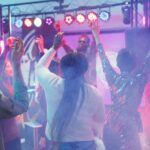
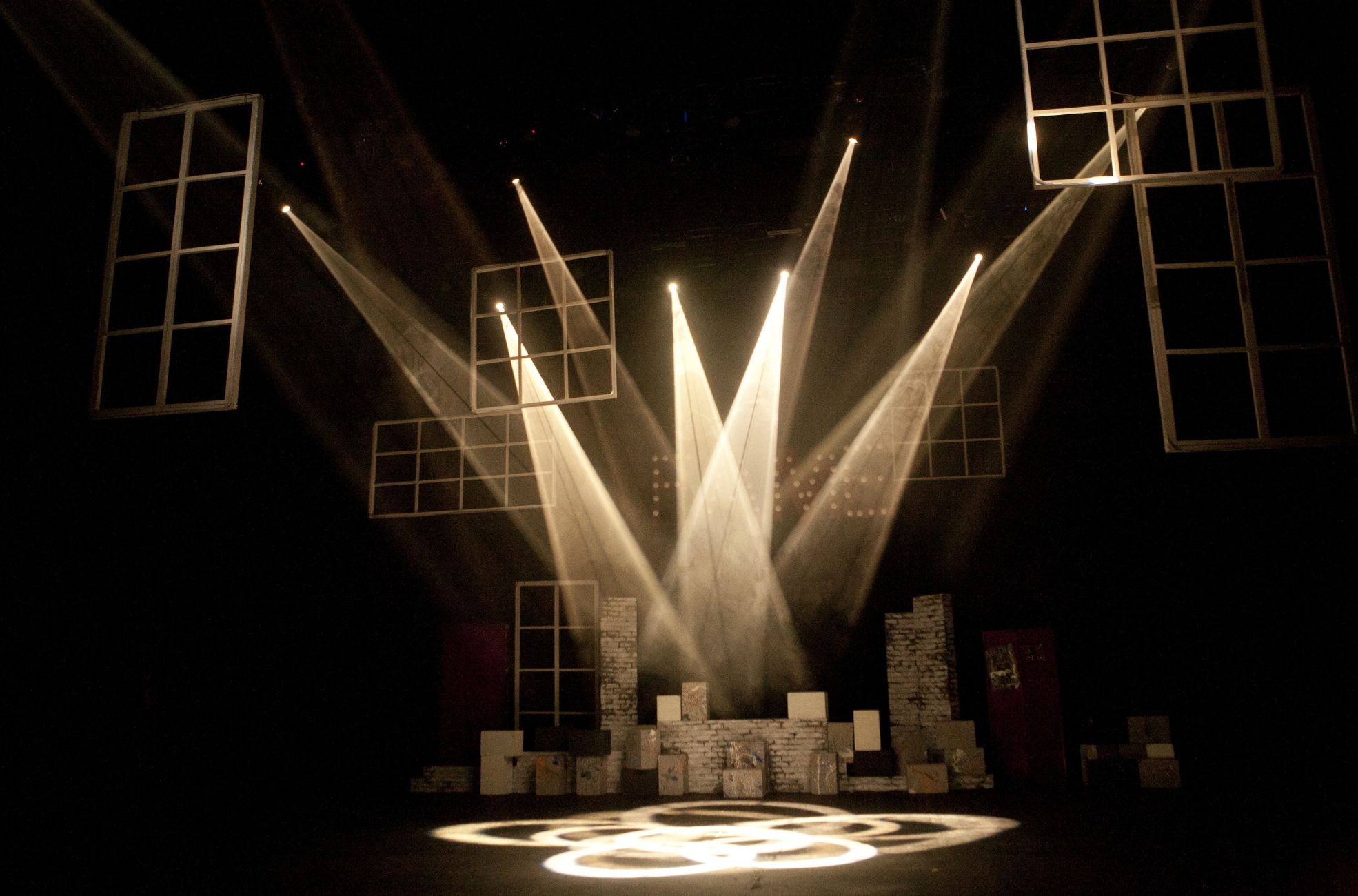
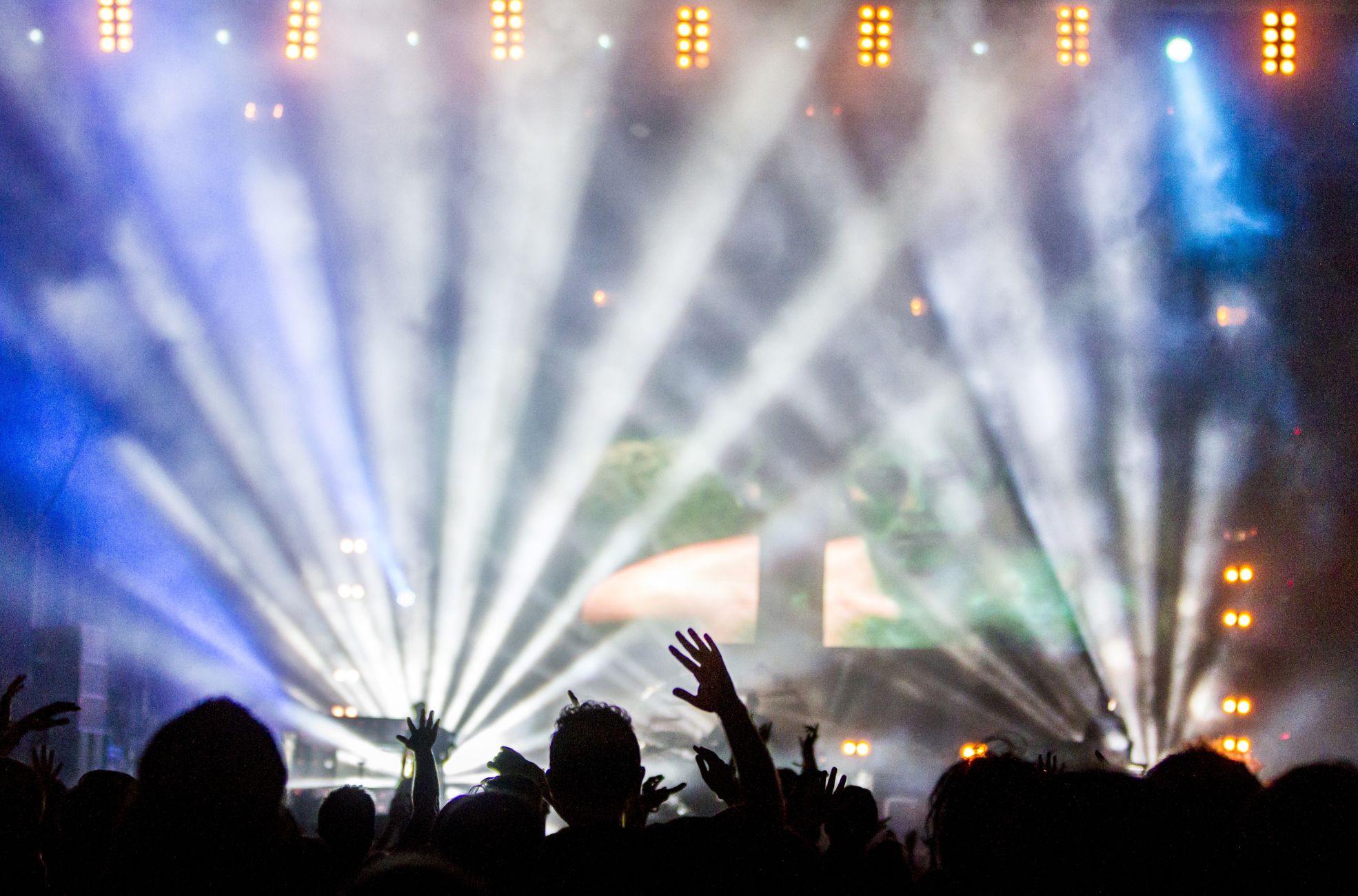
At concerts, theatre productions, and festivals, lighting isn’t just background – it’s a co-star. Dynamic lighting effects that sync with music, performance cues, or dramatic moments help build atmosphere and amplify audience engagement. Moving heads, lasers, strobe lights, and gobos add texture and drama, transforming performances into full sensory experiences.
Take, for instance, Coldplay’s world tour, where LED wristbands worn by audience members are programmed to light up in sync with the music. This technique turns the crowd into a living, breathing part of the show, creating an emotionally powerful and immersive experience.
In weddings and private functions, lighting transitions are often used to mark key moments – dimming the lights for the first dance or creating a dramatic spotlight for a cake-cutting ceremony. For example, a wedding in Byron Bay featured a starlit ceiling effect using pin spots and subtle twinkle lights that dimmed for the couple’s entrance and then ramped up into colourful lighting for the dance floor later in the evening.
Transforming Spaces: Lighting Design and Technology
Good lighting design can completely alter the feel of a venue. Uplighting can turn plain walls into glowing canvases. Wash lights can bathe a room in theme colours. Intelligent lighting fixtures can move, change colour, and adapt in real time to the mood or segment of the event.
At the Melbourne Convention and Exhibition Centre, a recent tech expo used LED uplighting to bathe each exhibitor’s booth in different brand colours. The result was a visually striking, cohesive floor plan that was both functional and photogenic. Designers used LED panels and ceiling-mounted wash lights to highlight key pathways and product stations, helping guide attendees through the space intuitively.
At music festivals, entire stages are designed around lighting rigs. The “Beyond the Valley” festival in Victoria featured a main stage wrapped in curved LED screens and moving light trusses that created a constantly shifting backdrop for performances. Each artist’s set had its own unique lighting plan, adding to the individuality of the acts and maintaining visual interest.
Interactive installations are also on the rise. At the Sydney Vivid Festival, one installation featured motion-tracking lights that followed attendees as they walked through a tunnel, reacting to their pace and movement. This kind of lighting setup turns spectators into active participants and heightens engagement.
Wedding Magic and Romantic Glow
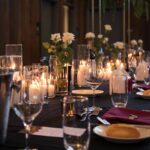
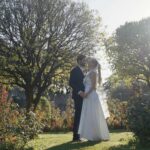
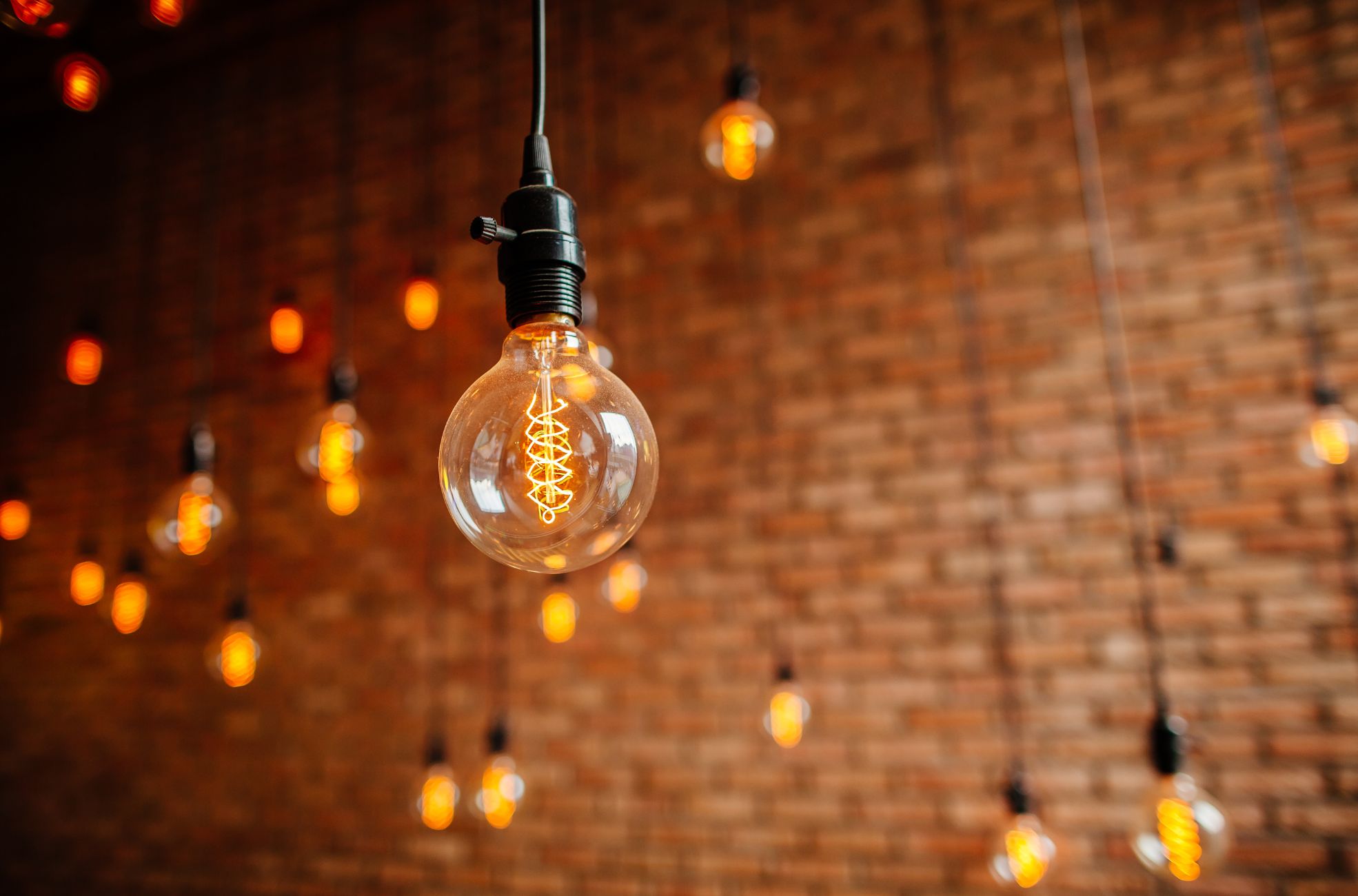
Weddings are one of the most popular events where lighting design truly shines. From fairy lights strung across marquees to monogram projections on dance floors, lighting is essential for adding magic and personal touches. Soft candlelight, string bulbs, and amber uplighting bring romance, while colour changes and dynamic effects kick off the party after dinner.
A notable example is the use of Edison bulbs in rustic barn weddings. When paired with soft uplighting on timber beams and amber-toned candles on tables, they create a cosy, vintage feel that’s highly Instagrammable and good for live-streaming. For more luxurious weddings, crystal chandeliers suspended from tent ceilings are often lit with colour-tunable LEDs, allowing transitions from a soft golden glow during dinner to cooler purples and blues during the dance set.
At a recent wedding in the Adelaide Hills, the planner used fairy lights to create a “light canopy” over the outdoor reception area, giving the illusion of dining under a starlit sky. Later in the evening, the couple surprised guests with a choreographed light show to accompany their first dance, perfectly timed with the music.
Photographers love well-designed lighting, too, as it enhances the visual quality of photos and videos. Lighting also ensures that key details like floral arrangements, centrepieces, and cakes are shown in their best light. Spotlighting the cake or floral displays can add dimension and drama that lifts the whole visual scene.
Corporate and Brand Events: Professional Polish
For corporate events, lighting reinforces branding, sets the tone, and contributes to a polished experience. Stage washes and spotlights keep presenters visible, while LED uplighting in brand colours can subtly weave corporate identity throughout the space.
One standout example is the Adobe Max Conference in Sydney, which used an all-white stage backdrop constantly repainted with LED lighting and projection effects. Branding was reinforced not just through colour but also through emotion and mood: high-energy segments featured pulsing reds and oranges, while calmer networking sessions used cool purples and ambient textures.
Lighting also supports transitions between event segments. A networking session may use softer ambient light, while a keynote speech might demand focused white lighting. At the Women in Tech Conference, soft pink uplighting was used in the morning session to create a warm, inclusive atmosphere. Later in the day, as keynote speakers took the stage, the lighting shifted to a crisper white with accents of the event’s bold magenta branding.
The use of gobo lighting to project logos or sponsor names onto venue walls or floors has also become commonplace. This not only maximises brand exposure but adds visual interest to otherwise unused surfaces.

Cutting-Edge Trends in Event Lighting
The lighting industry is evolving rapidly, and today’s events benefit from a wave of innovation:
- LED Technology: Energy-efficient and endlessly versatile, LED fixtures can be battery-powered, colour-changing, and wirelessly controlled. They’re perfect for outdoor events, reducing the need for power cabling and simplifying setup.
- Projection Mapping: Surfaces become storytelling tools as projectors create animated scenes across walls, floors, or buildings. At a Melbourne New Year’s Eve party, a cake was turned into a projection surface, cycling through visual effects before revealing the couple’s initials.
- Interactive Lighting: Lights that respond to guest movement or sound add playfulness and personal engagement. For example, an installation at an art-meets-technology show in Brisbane used floor sensors to change light colour based on where people walked.
- Drones and AR Effects: Some large-scale events now include drone light shows or augmented reality layers to enhance visual storytelling. At a major sporting event in Sydney, a coordinated drone show replaced fireworks, forming dynamic shapes like kangaroos, stars, and sponsor logos in the night sky.
These advancements allow lighting to be more than functional—they enable it to be immersive, sustainable, and aligned with creative vision. Thanks to increasingly affordable and user-friendly lighting technology, smaller venues can achieve a big-event atmosphere without the same budget.
The Unseen Star of the Show
Great lighting may go unnoticed when done well, but its impact is profound. It defines the mood, directs focus, complements entertainment, and ensures every moment is seen in its best light. For event entertainment professionals, lighting isn’t just an afterthought – it’s a powerful storytelling tool.
Whether you’re planning an intimate wedding, a high-profile conference, or a vibrant music event, consider lighting as a key part of your event narrative. With creativity, technology, and thoughtful design, lighting can truly transform your event from ordinary to extraordinary. From the first impression when guests enter the space to the final moment on the dancefloor, lighting is the thread that ties the entire experience together.