Every great performance begins long before the curtain rises. Long before the crowd gathers, before the first note plays or light flares, success depends on preparation — the art of transforming an empty space into a seamless performance environment. Whether the stage is a waterfront platform, a heritage hall, or a pop-up event under open skies, getting the foundations right determines how every act unfolds.
The process of stage setup is more than technical assembly. It’s choreography in its own right, where design, logistics, and artistry meet. The smallest misjudgment in lighting, sightline, or sound alignment can shift the mood of an entire audience. Likewise, when done well, invisible precision turns simple performances into spectacular memories.
Creating a perfect stage anywhere requires balance — between aesthetics and safety, spectacle and function. The goal is simple: to make every performer feel at home, every audience member engaged, and every technical element invisible to the experience.
The Core Philosophy Behind Stage Design
Before any rigging begins, you must start with purpose. What kind of energy do you want the audience to feel? How should performers move across the space? A stage is not just a platform; it’s the heartbeat of the entire event.
Great stage design combines narrative and logistics. The physical layout guides how stories unfold, how light interacts with emotion, and how the audience connects with what they see and hear. Whether the show is theatrical, musical or corporate, the design must reflect the tone and tempo of the performance.
- Define the focal point: The audience’s attention should never wander. Sightlines, symmetry and lighting cues ensure that all eyes land where the moment demands.
- Prioritise flow: Performers need intuitive movement — entry, transition, exit — with minimal risk or confusion.
- Think spatially: The relationship between the stage and audience defines atmosphere. A raised stage creates formality; a ground-level platform invites intimacy.
Every decision flows from those fundamentals. They are the difference between a venue that feels alive and one that feels improvised.
Planning for Flexibility
No two venues behave the same way. A design that looks perfect in a theatre may fail outdoors or in a heritage site. That’s why flexibility is built into every professional stage setup.
Portable risers, modular trusses, collapsible lighting towers, and adaptable rigging systems allow teams to create professional-grade structures almost anywhere. Yet flexibility goes beyond materials — it’s about mindset and the guest journey. Designers and technicians must anticipate change, adapting layout to suit weather, crowd flow, or unforeseen restrictions.
Before installation begins, survey the site thoroughly. Measure gradients, ceiling heights, access points and power availability. Take note of ambient light and local sound reflection. Outdoors, wind, temperature and proximity to residences influence everything from speaker placement to light direction.
In event production, adaptability is an art. The best crews build contingency into every plan — extra cabling for alternate power, weather-resistant covers for instruments, and backup lighting circuits ready for instant deployment.
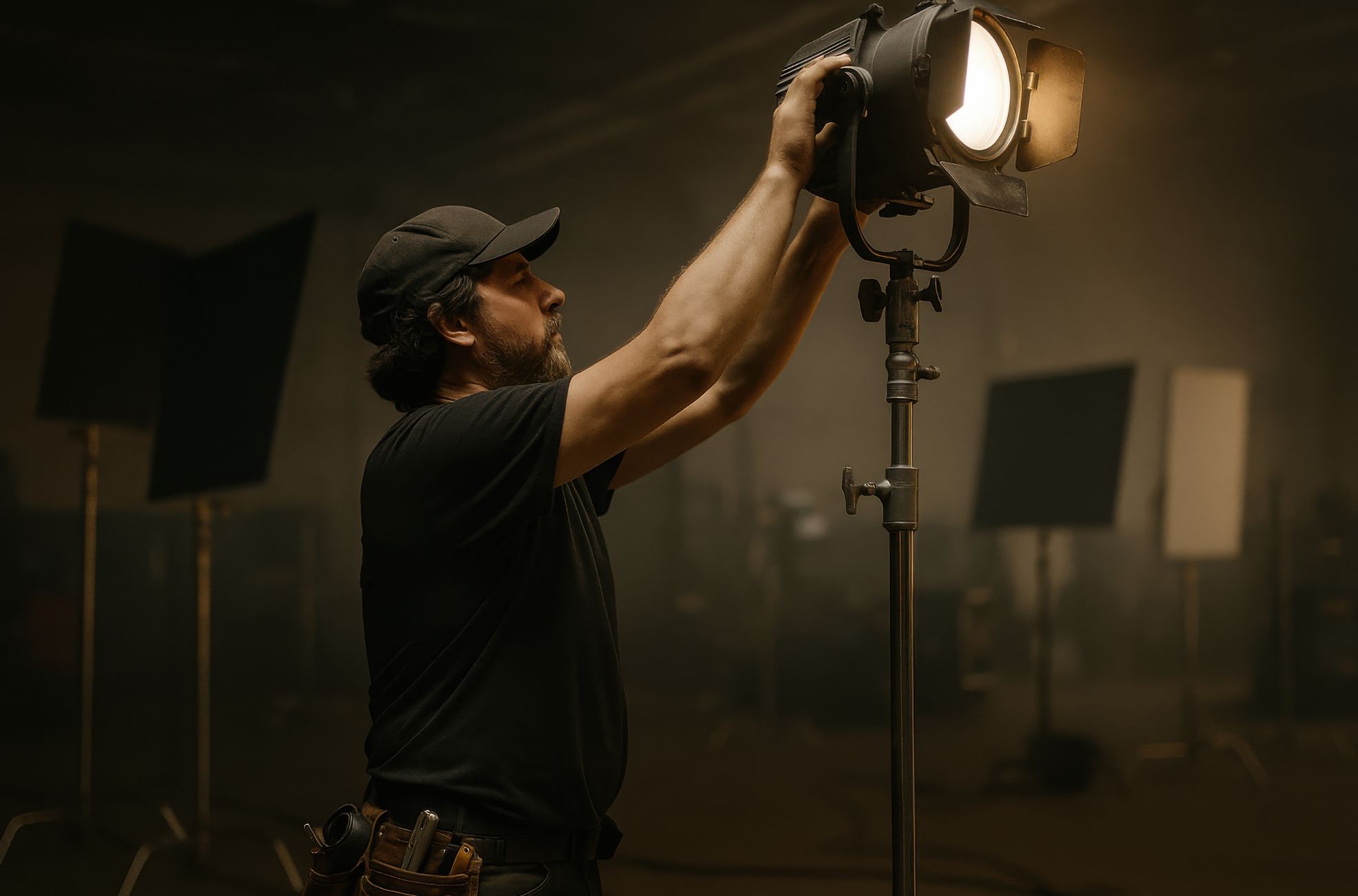
Lighting: The Invisible Sculptor
Lighting defines how an audience feels before a performer even appears. It sculpts space, directs emotion, and sets rhythm. In stage environments, lighting is less about brightness and more about story.
Start with three layers: functional, atmospheric, and dynamic.
- Functional lighting ensures visibility and safety — clear sightlines for both performers and crew.
- Atmospheric lighting establishes tone — warm amber for intimacy, cool blue for sophistication, vivid tones for energy.
- Dynamic lighting brings movement — colour transitions, programmed cues and synchronised effects that match music or dialogue.
For mobile or outdoor venues, lighting design must compensate for ambient conditions. Daylight requires contrast and subtlety; night requires restraint to prevent glare. Battery-operated uplights, wireless DMX systems, and LED bars make remote control and precision easier than ever.
Lighting also guides pacing. Dimmed cues signal emotional shifts, while colour temperature changes can transition audience attention seamlessly between acts.
When designing a stage setup in unfamiliar spaces, lighting placement is as critical as colour palette. Mounting height affects angle, shadow and diffusion. Always test from multiple audience points — what flatters from the control booth may overpower from front row seats.
Layout: Where Art Meets Engineering
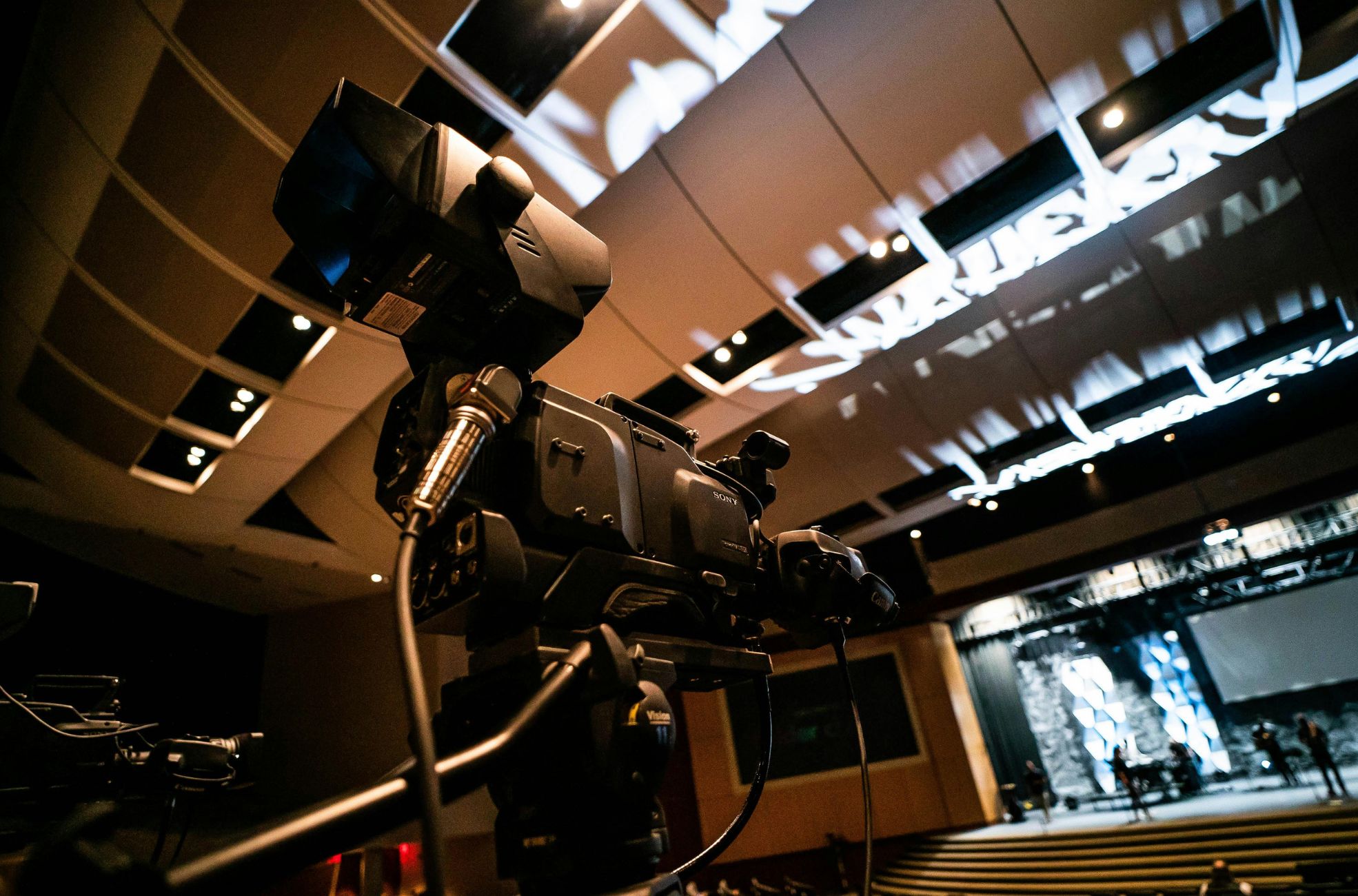
Layout is the physical storytelling of the event. It dictates how performers move, how sound travels, and how the audience experiences flow. The process begins by dividing the stage into functional zones: performance, transition, and technical.
- Performance Zone: The core area where acts happen. It should allow comfortable movement and visibility.
- Transition Zone: Side or rear areas for discreet entry and exit, often shielded by screens or curtains.
- Technical Zone: Hidden but essential — control desks, cable runs, and lighting interfaces.
Each element serves the whole. Performers should never feel confined, nor technicians overwhelmed. The best layouts create invisible harmony, where every cue feels effortless and every shift feels timed to breath.
If the stage will host multiple act types — say a DJ, a live band, and a panel discussion — modular layouts help maintain smooth transitions. Sliding risers, rolling instrument platforms, and flexible cable routing allow resets without long pauses.
In festival or open-air formats, layout also shapes crowd psychology. Distance between stage and audience barriers must allow energy flow but ensure safety. A too-wide pit drains connection; too narrow can cause congestion.
Every centimetre counts in live production design.
Sound: The Bridge Between Performer and Audience
Sound is the most sensitive component of any stage setup, and often the hardest to master outdoors. Without walls or ceilings, sound disperses freely — sometimes beautifully, sometimes chaotically.
Acoustics define emotion. If an audience can hear every lyric and nuance clearly, they relax and immerse. If they strain or experience distortion, they disconnect instantly.
Sound design begins with placement: main PA arrays, subwoofers, monitors, and fill speakers must work as one ecosystem. The mix should travel evenly from front to back without dead zones or overwhelming bass.
Outdoor engineers use delay towers to maintain synchronisation across distance. Indoors, they rely on absorption panels and precision equalisation. Always test levels during rehearsal with the full setup — empty rooms sound different from occupied ones, as human bodies absorb mid-range frequencies.
Wireless technology and digital mixing boards now allow instant control from tablets anywhere in the venue. This mobility lets sound engineers respond fluidly to changes in crowd density or temperature.
Good sound isn’t about volume — it’s about clarity, emotional timing and shared experience.
Logistics: The Hidden Backbone
Behind every flawless event lies weeks of logistical planning. Without strong coordination, even the best designs collapse under stress.
Start with clear scheduling. Load-in and load-out times should be staggered logically — lighting first, then staging, then sound. Establish a single chain of communication between site management, crew leaders, and performers. Miscommunication is the fastest route to delay.
Safety must be integral. Wind ratings, power distribution, cable protection and emergency evacuation routes are non-negotiable. Portable stages must meet engineering standards and be inspected regularly.
When touring or working across diverse sites, logistics become an exercise in precision. Inventory management software tracks cables, lights, microphones, trusses and instruments across multiple locations. Every minute saved on assembly increases rehearsal time — and rehearsal time defines quality.
Think of logistics as choreography backstage. Every crate, wire and case must move in rhythm, unseen yet essential.
Working With the Environment
The mark of an expert production team lies in how well they work with a space, not against it.
Outdoors, nature offers both gift and challenge. Uneven ground, changing light, and unpredictable weather require adaptability. Indoors, space constraints and fixed architecture can limit creativity but enhance intimacy.
For natural venues — beaches, parks, vineyards — positioning is everything. Orienting the stage away from direct sunlight improves visibility and temperature comfort. Aligning speakers with terrain contours reduces echo and noise spill.
When possible, incorporate environmental texture into the event identity. Let trees, buildings, or water surfaces become part of the lighting design. A well-considered stage setup doesn’t disguise its surroundings; it harmonises with them.
In enclosed venues, work with what’s available. Use reflections for added depth. Frame existing structures with subtle uplighting or LED ribbons to create illusion of expansion.
Every site tells its own story — and production design is the art of listening to it.
Rehearsal and Testing
A technical rehearsal is not a luxury; it’s an insurance policy. Even the most seasoned crew must verify how all systems perform under live conditions.
Sound engineers run pink noise to balance frequencies. Lighting teams rehearse cues and fade times. Stage managers and event organisers time transitions between acts. This process is where flaws surface before the audience ever arrives.
For portable or temporary events, site testing should simulate real performance timing. Evening tests reveal how lights appear at dusk; morning runs test visibility under glare. Record each session for playback review.
The key is iteration. Minor refinements — a moved spotlight, adjusted speaker angle, or revised entrance cue — transform an average production into a professional one.
Rehearsal within your run sheet is also when the performers learn their relationship with space. They feel sightlines, sound feedback, and lighting warmth. The more familiar they are, the more confidently they deliver.
Team Coordination: People Before Performance
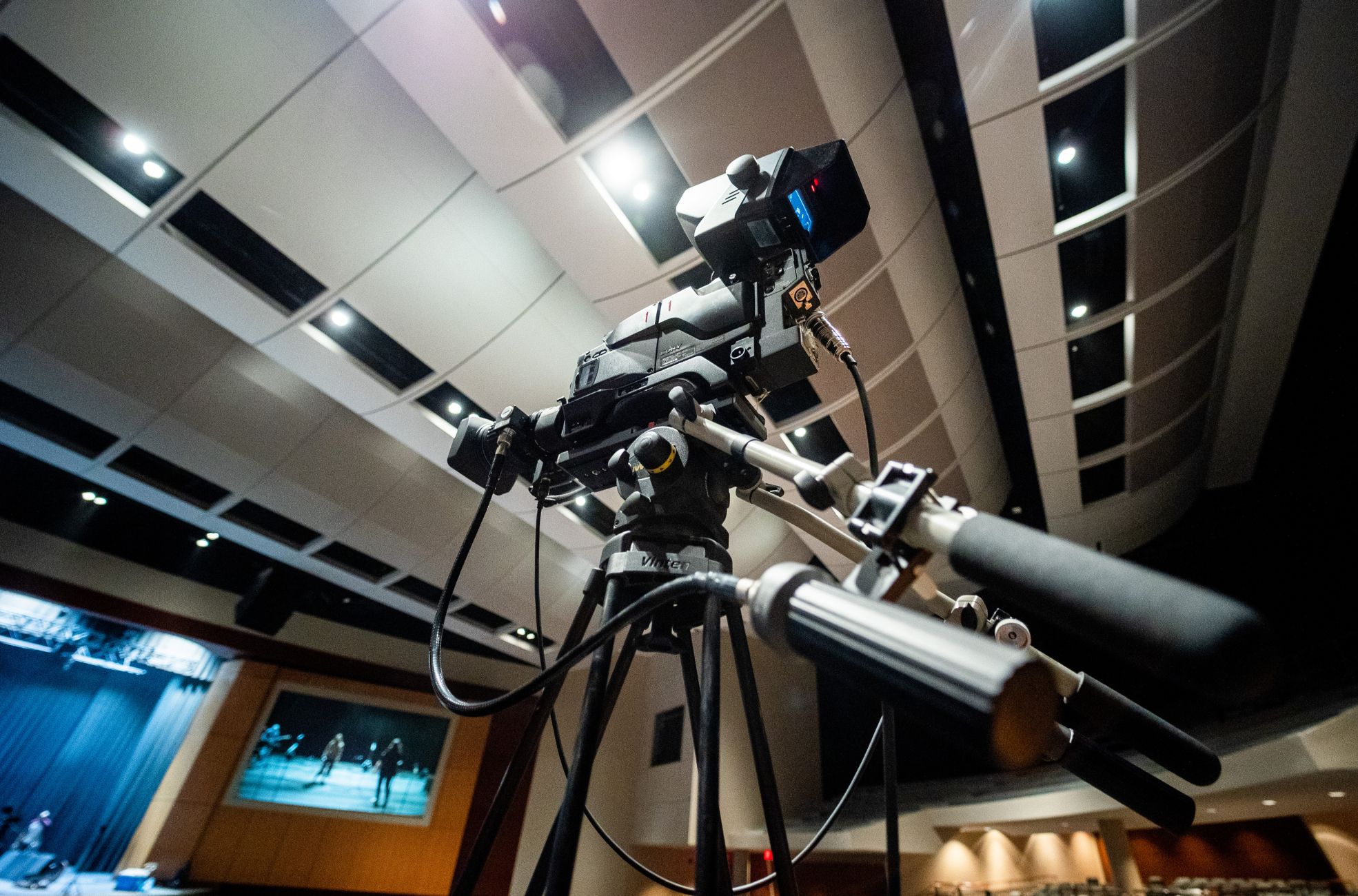
Technology may power the event, but people make it run. The chemistry of a stage crew determines how smoothly an event breathes.
Communication must be layered but unified: radio channels divided by department, call sheets clear and up-to-date, and cue signals universally understood. Stage managers operate as conductors — ensuring that lighting, audio, performance, and logistics stay in rhythm.
Respect between departments is non-negotiable. When teams collaborate instead of compete, efficiency skyrockets. Lighting adjusts for camera angles, sound operators balance to reduce mic bleed, and technicians assist artists without interrupting focus.
A great team runs on anticipation. They predict what’s next, often without being asked.
The Audience Experience
Everything in live production serves one purpose: the audience. Every light, sound, and transition leads to that shared human moment of applause or awe.
Designers must think from the audience’s viewpoint — what they see, hear, and feel. Sightlines must remain unobstructed. Temperature and comfort must support, not distract. Accessibility for all guests is not only ethical but essential to inclusivity.
When designing any stage setup, always ask: how does the audience move through the space? Where do they pause, look, and linger? The goal is not to control behaviour but to design flow that feels natural.
Audiences sense effortlessness when effort is immense behind the scenes.
Sustainability in Modern Production
Event sustainability has become a major focus in entertainment logistics. Staging materials, power usage, and transport all leave an environmental footprint. Modern producers now prioritise eco-conscious solutions without compromising spectacle.
LED lighting dramatically reduces power draw and heat output. Modular truss systems lower shipping volume. Solar-powered rigging assists small-scale daytime events.
Water management, waste minimisation and noise control ensure that communities remain supportive of live performances. Sustainability, far from limiting creativity, enhances it — encouraging smarter, lighter, more elegant design.
The future of stagecraft lies not only in innovation but in responsibility.
Conclusion: The Art of Making It Look Easy
Setting up the perfect stage is the art of balance — between what’s seen and what’s unseen, between spectacle and structure, between chaos and harmony. It’s a collaboration of engineers, artists, and dreamers who build worlds from cables and light beams.
A flawless stage setup feels effortless because every detail has been calculated, rehearsed, and refined. From lighting intensity to cable routing, from crowd flow to sound precision, the result is a performance environment that supports artistry and captivates audiences.
Whether you’re building a temporary platform in a field or transforming a ballroom into a theatre, the principles remain the same: listen to the space, serve the story, and respect the craft.
For expert support in designing, lighting and producing your next event, reach out to Onstage — where every detail of your stage setup is handled with precision, creativity and care.