When people talk about events, they usually mention food, décor, guest lists or entertainment first. Rarely do they begin with audio visual. Yet audio visual — often shortened to “AV” — is the invisible structure that allows everything else to work. Guests might not notice it when it is done well, but they immediately feel it when it is wrong. Sound that cannot be heard clearly, lighting that feels harsh or a microphone that cuts out during a speech can quickly shift the atmosphere of an otherwise beautiful event.
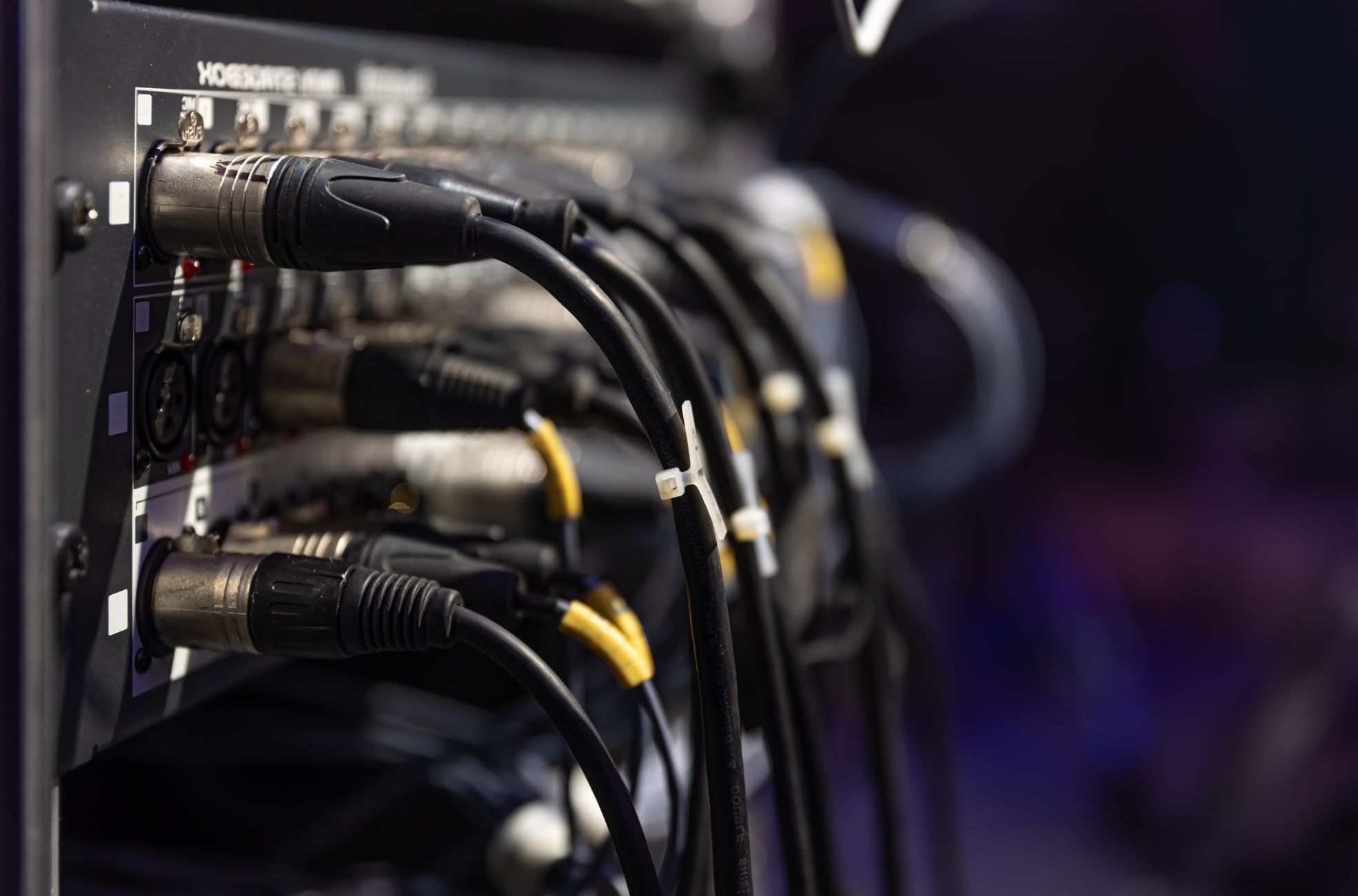
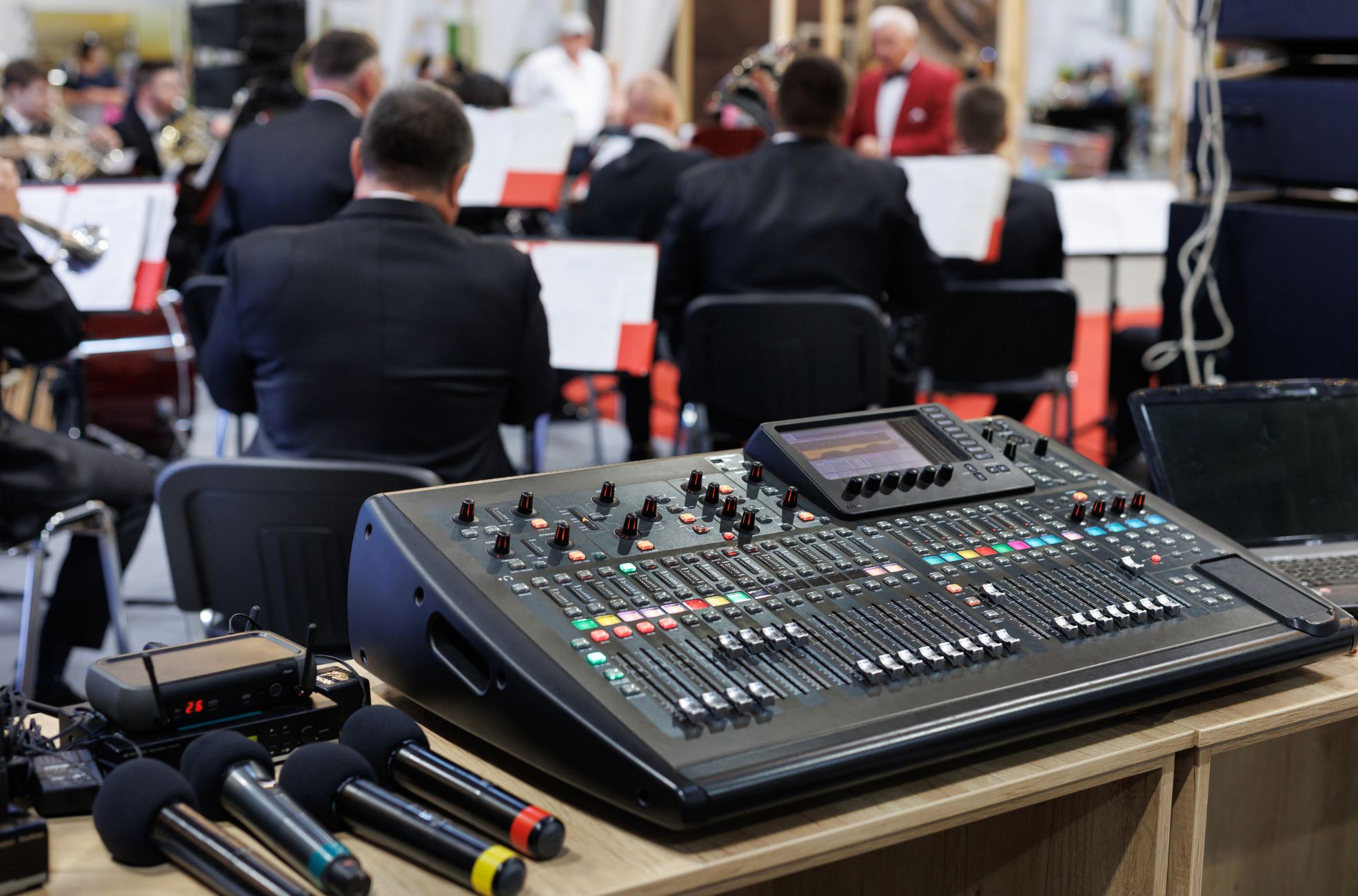
Audio visual refers to the coordinated use of sound, lighting and visual display technology to support communication and atmosphere. It includes microphones, speakers, staging, screens, lighting systems and the technical management behind them. In weddings, corporate functions and private celebrations alike, AV does more than deliver speeches and music. It controls attention, guides emotion and helps guests understand what is happening at each moment.
An event does not succeed because it looks good alone. It succeeds because people can hear, see and feel comfortable participating. That is why AV is not simply equipment — it is experience design.
Understanding What Audio Visual Really Means
At its simplest, AV is the technical backbone of an event. It ensures a speaker can be heard, a performance can be seen and the environment feels inviting rather than chaotic. But modern events rely on it for much more than amplification.
A well-designed AV setup supports the event flow. It signals transitions, marks important moments, such as a grand entrance, and helps guests instinctively know where to focus their attention. When lighting softens, guests know dinner is beginning. When microphones activate, attention shifts forward. When music rises, the celebration begins.
In this sense, AV functions almost like a guide for the audience. Guests are not reading a schedule; they are responding to cues. Without the correct cues, guests could leave early.
The Three Pillars of AV
Audio visual systems generally revolve around three core components: sound, lighting and visuals. Each one affects guest experience in a different way.
Sound determines clarity and comfort. Lighting shapes mood and perception. Visual displays support communication and engagement.
If one element fails, the entire event feels disrupted. A beautiful venue with poor audio can frustrate guests. A great band with incorrect lighting can lose impact. A presentation without visible screens can disconnect an audience.
These elements do not operate separately. They’re literally soundscaping your event. They work together to create a coherent environment.
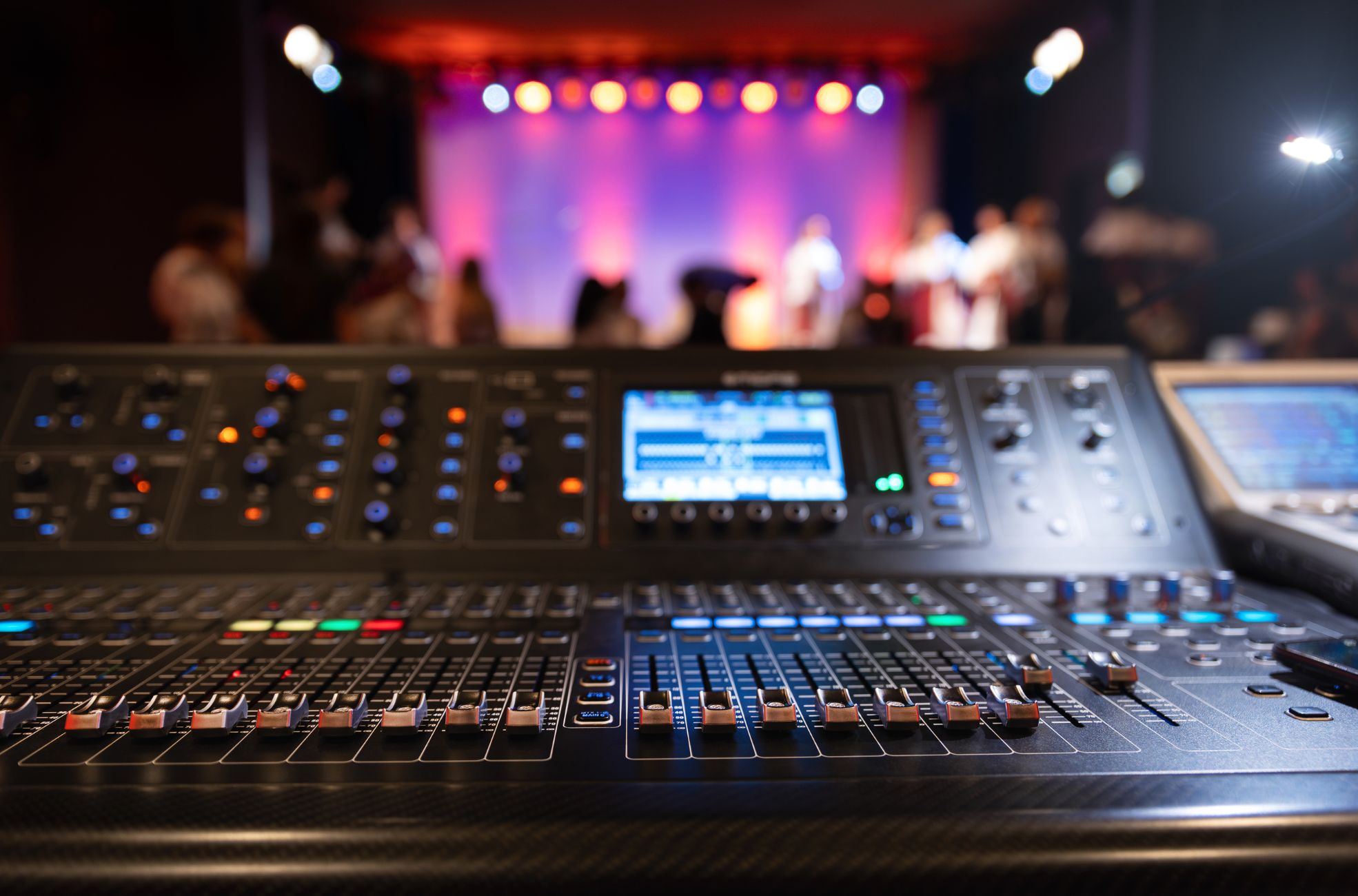
Why Sound Is More Important Than Music
Many people assume sound only matters during performances or dancing. In reality, sound quality affects nearly every minute of an event.
During speeches, guests must hear clearly without straining. During dinner, background music must be present but gentle. During formal moments, microphones must work instantly and reliably. Poor sound leads to repeated conversations, guests talking over speakers and people disengaging.
The most common sound problems are not dramatic failures. They are subtle: echoes in large rooms, uneven volume across tables, feedback squeals or microphones that require guests to lean forward to listen. Even a few minutes of unclear audio can cause guests to lose attention.
Good audio does not draw attention to itself. Guests simply feel comfortable and focused.
Lighting Does More Than Make Things Visible
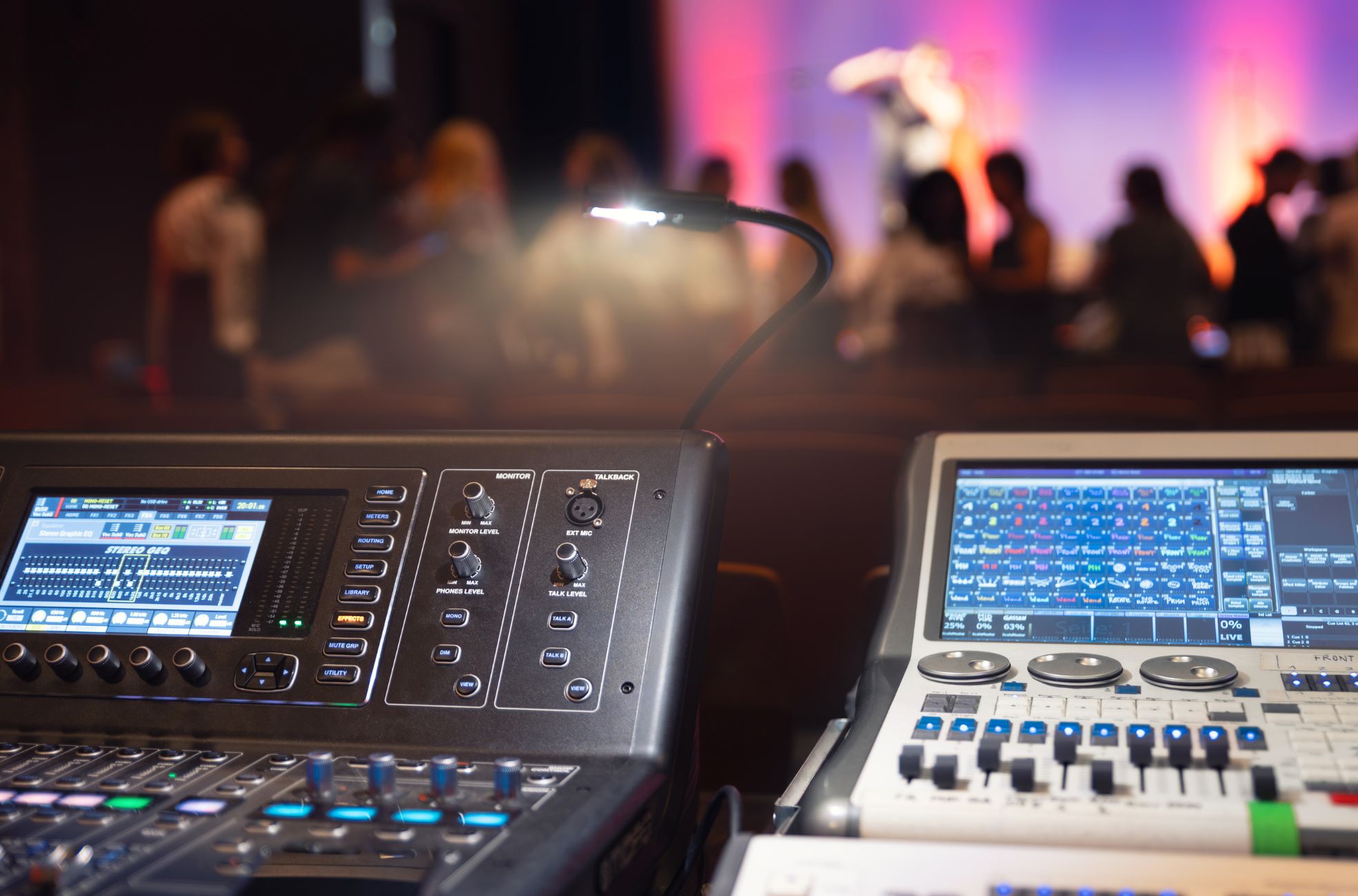
Lighting is often treated as decoration, but it is actually emotional architecture. The same venue can feel formal, relaxed or celebratory depending on lighting choices.
Bright overhead lighting encourages conversation but reduces intimacy. Warm low lighting invites closeness and comfort. Spotlighting guides attention to speakers or performers. Colour lighting energises dance floors.
Lighting also controls perception of time. Gradual shifts from daylight tones to warmer evening tones help an event feel like it progresses naturally. Without these changes, the evening can feel static.
When lighting is poorly considered, guests may feel restless without knowing why.
Visual Displays and Screens
Visual elements include projectors, LED screens and presentation displays. They are essential for corporate events but increasingly useful in weddings and social functions.
Screens allow:
- Slideshows
- Videos
- Live speech visibility
- Remote guest viewing
They also help guests at the back feel included. In large spaces, visual reinforcement ensures everyone shares the same experience.
Without screens, guests who cannot see clearly often disengage. With them, attention remains unified.
How AV Shapes Event Flow
One of the most overlooked roles of AV is pacing. Events are essentially a series of transitions — arrival, dining, speeches, entertainment and closing moments. AV cues guide these changes smoothly.
For example, music fading gently signals a speech. Lights dimming encourage guests to watch a performance. Brighter lighting encourages movement and conversation again.
Without AV cues, transitions feel abrupt. Guests talk over announcements, miss key moments or feel uncertain about what is happening next.
In other words, AV does not just support the event. It directs it.
Common AV Mistakes That Affect Events
Many event issues traced to “organisation problems” are actually AV problems. A late speech may be caused by microphone setup delays. A quiet dance floor may result from incorrect sound balance. A distracted audience may be responding to lighting discomfort.
Some frequent mistakes include:
- Using venue house speakers that are too small for the guest count
- Positioning microphones incorrectly
- Placing speakers only at the front of a large room
- Keeping lights too bright during evening celebrations
- Not testing presentations before guests arrive
These are rarely noticeable before the event begins. They only become obvious once guests are present.
Weddings: Why AV Is Critical
At weddings, AV influences emotional moments. Vows must be heard clearly. Speeches must feel intimate. Music must carry meaning.
Outdoor ceremonies especially rely on sound systems because natural acoustics are unpredictable. Wind, waves or open spaces can make voices disappear quickly without amplification.
Reception lighting also affects photography. Photographers depend on balanced lighting to capture natural expressions. If lighting is too dim or too harsh, photos suffer.
Because weddings involve both formal and celebratory segments, AV must shift seamlessly between gentle and energetic.
Corporate Events and Presentations
In corporate settings, AV directly affects credibility. If guests cannot hear presenters or see slides, they assume the event is poorly organised. Even strong content loses impact without technical support.
Clear audio helps speakers feel confident. Visible screens help audiences follow information. Proper lighting ensures presenters are seen without glare or shadows.
In these settings, AV is not just atmosphere. It is communication.
The Relationship Between AV and Entertainment
Entertainment relies heavily on AV quality. A talented performer still depends on clear sound and correct lighting to connect with the audience.
Musicians need balanced audio levels. MCs require reliable microphones. Performers need lighting focus to hold attention. Without these, performances lose energy.
Guests often attribute a poor performance to the entertainer, when the real issue was technical support.
Can AV Really Make or Break an Event?
Yes — because AV influences guest behaviour and changes the guest journey.
When guests cannot hear speeches, they start conversations. You need to know how to read a crowd. When they cannot see a presentation, they check phones. When lighting feels uncomfortable, they leave earlier. When music sounds uneven, they hesitate to dance.
Conversely, good AV creates confidence. Guests pay attention, relax and participate. The difference is subtle but powerful.
An event is remembered by how it felt by the guests’ experiences. AV largely determines that feeling.
Working With Professionals
Professional AV support ensures coordination between venue, entertainment and schedule. Technicians test microphones, manage transitions and adjust levels throughout the event.
They anticipate issues such as power access, outdoor conditions and guest numbers. This preparation prevents disruptions before they occur.
Many planners discover that investing in AV support reduces stress more than almost any other service.
The Invisible Backbone of a Great Event
Audio visual is often overlooked because it operates quietly in the background. Yet it supports every visible part of an event. It helps guests hear, see and emotionally engage with the celebration. Without it, even beautiful décor and talented performers struggle to connect with the audience.
When planned well, AV creates comfort, clarity and atmosphere simultaneously. Guests rarely comment on microphones or lighting directly, but they remember how smoothly the event flowed and how enjoyable it felt.
For events where timing, communication and entertainment matter, thoughtful AV planning becomes not an optional extra but a foundation. It is the difference between an event that simply happens and an event that truly comes alive. When it comes to planning your next event, reach out to us today at Onstage, so we can assist you with your AV requirements.
Frequently Asked Questions
1. Do small events really need professional audio visual?
Even small gatherings benefit from clear sound and controlled lighting. A microphone and balanced speakers can dramatically improve guest comfort and attention.
2. Can a venue’s in-house system replace AV hire?
Some venues provide adequate equipment, but it may not suit your guest count or layout. External AV support often ensures flexibility and better coverage.
3. How early should AV be planned?
Ideally during initial event planning. Early coordination helps align entertainment, layout and timing.
4. Is lighting as important as sound?
Yes. Lighting affects mood, photography and attention just as much as sound affects clarity.
5. What part of AV impacts guests the most?
Clear audio during speeches and comfortable lighting during social time usually make the biggest difference to guest experience.