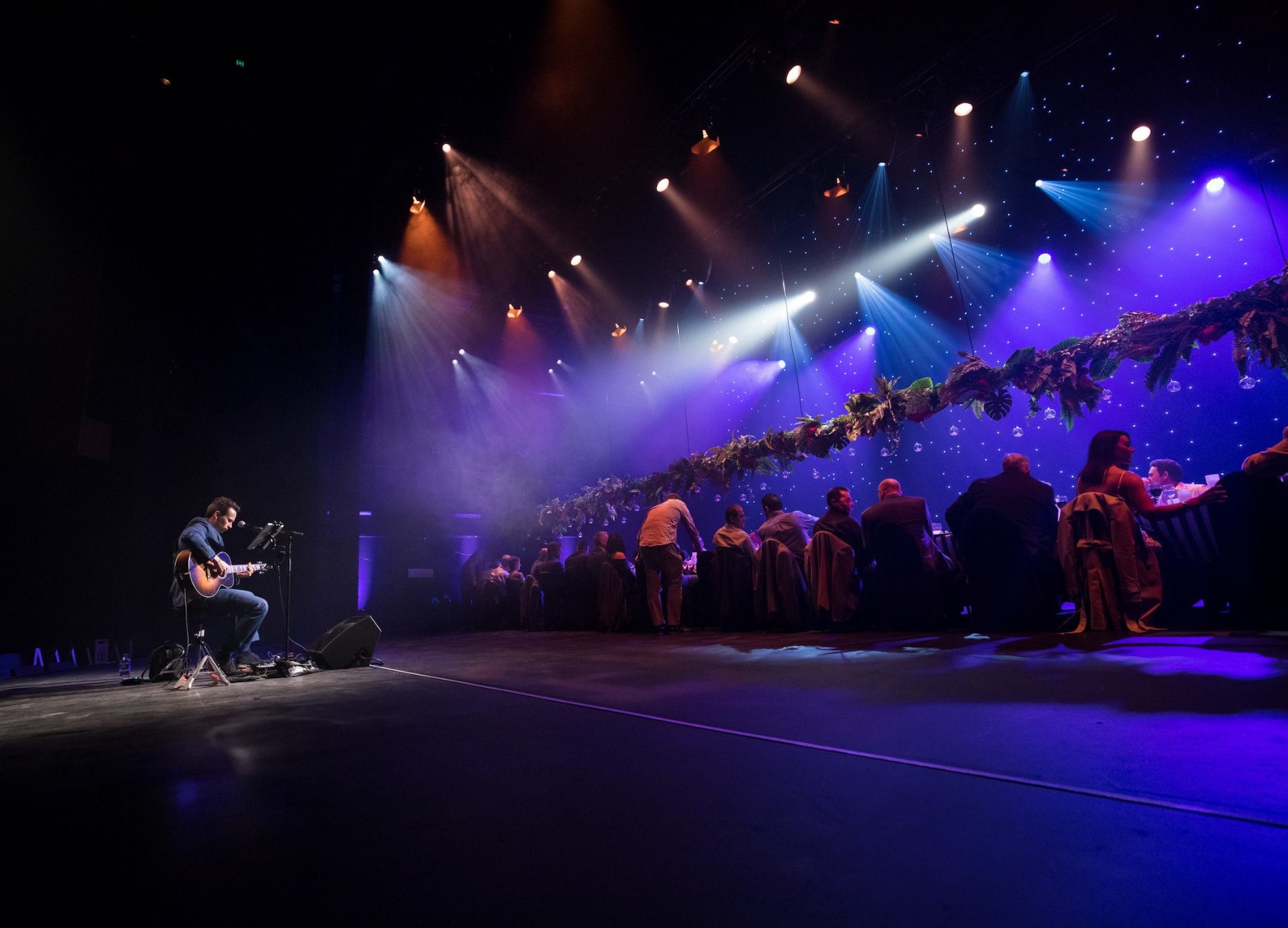
Custom entertainment brings together performances chosen, adapted or created for your event’s audience and programme.
To plan how the entertainment will work:
- Decide when guests should be talking, watching or celebrating.
- Choose established acts and identify any moments that need new creative work.
- Allow for introductions, equipment changes and rehearsal.
- Set out who provides the performances, production and coordination.
At Onstage Entertainment, we put together entertainment programmes and create new shows around corporate event briefs.
Match Entertainment to Each Stage of Your Event
Decide what guests should be doing before choosing the entertainment for each stage. Music can accompany conversation, while a feature performance needs the room’s attention.
- Arrivals and networking: Music establishes the atmosphere, while roving performers offer brief, optional interactions. Keep the volume comfortable for conversation.
- Dinner: Plan performances around food service and clearing. Give a feature act a dedicated window when guests can watch.
- Awards and presentations: The MC directs attention towards speakers and recipients. Pause competing entertainment and agree any musical cues.
- After-party: A band or DJ can signal the move from formalities to celebration. Allow time for the performers and equipment to be ready before inviting guests onto the dance floor.
Build energy towards the moments that need it, then give guests room to talk, eat or listen. The evening can finish with dancing or a quieter social gathering.
When Should You Choose Custom Entertainment?
Established entertainment can suit your event perfectly. Customisation becomes useful when you need to change how a performance looks, what it communicates or how it connects with a particular moment.
When Established Acts Suit Your Event
If you want music during arrival drinks, entertainment while guests mingle or a band to finish the evening, established acts are a good starting point.
When their existing material suits your audience, the choice and timing of the acts may provide all the tailoring you need. We can build a programme around those performances without creating a new show.
When Adapting an Existing Performance Makes Sense
An adaptation is worth exploring when you like an act’s style but want a closer connection to your theme or company message.
For suitable feature acts, we can discuss costume changes and choreography. A themed gala, for example, may benefit from changes to the performers’ appearance while retaining the act you originally liked.
The possibilities depend on the performance and the changes you have in mind.
When a New Show Is Worth Considering
A new show may be appropriate when the performance itself needs to communicate something specific about your organisation, product or occasion.
For a launch, that could mean a performance developed around the product reveal. For a company milestone, it could mean bringing a particular message into the entertainment.
We create new shows around your event brief. Tell us what the performance needs to communicate and where it belongs in the programme.
You can focus that creative work on one key performance, with established acts providing the music and entertainment elsewhere in the event.
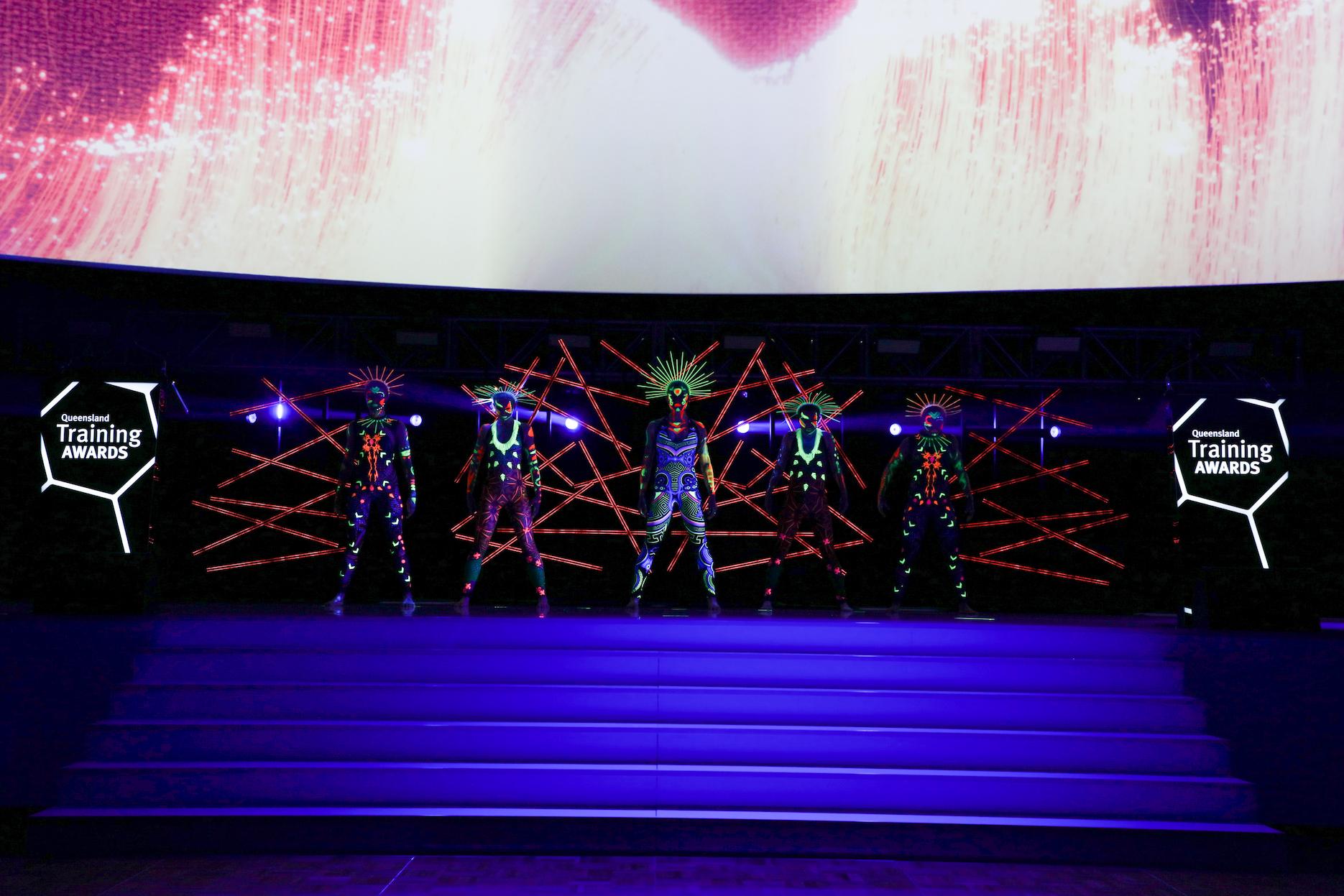
Three Illustrative Corporate Entertainment Programmes
Different event briefs call for different entertainment choices. These examples show how we could put a programme together, why each element belongs and where creative changes could help.
These are hypothetical planning examples, not established Onstage packages, fixed-price offers or actual client events.
Programme 1: A Reception Designed for Conversation
The brief: “We want clients and colleagues to meet and spend time together, without repeatedly interrupting their conversations.”
We could use acoustic or instrumental music to welcome guests, with optional roving entertainment offering short interactions in small groups. A host or MC would deliver a brief welcome before attention returns to networking.
The entertainment would support the reception rather than turn it into a seated show. Guests could enjoy an interaction, then return to their conversations without following a full stage programme.
When choosing musicians and ensembles, we would consider their sound alongside guest conversations and any spoken roving performances. Separating performance times may work better than having both compete for attention.
What needs tailoring? Mainly the choice of acts, their performance windows and the welcome. The performers could use their existing material, with no need for a new show if the selected entertainment already suits the audience.
A feature performance would only be worth adding if you also wanted a moment that brought everyone together.
Programme 2: An Awards Dinner Built Around Recognition
The brief: “We want the award recipients to feel celebrated, followed by a party that everyone can enjoy.”
Arrival music and roving interaction could welcome guests before the MC opens the evening. Music would accompany dinner, then competing audio and roving activity would pause for the awards.
An optional feature performance would have its own window around presentations and meal service. After the final award, a band or DJ could take over for the celebration.
The awards would determine the entertainment schedule, not the other way around. If presentations already fill the evening, we would favour a simpler programme rather than squeeze in another performance.
What needs tailoring? The introductions, agreed musical cues and transition from the final award into the party. The musicians and any feature act could still use their established material.
We would also discuss which entertainment timings can move if presentations run late. That flexibility helps protect the time set aside for recipients while keeping the celebration afterwards in view.
Programme 3: A Brand Event Built Around a Reveal
The brief: “We want a performance that introduces our new product and leads directly into the reveal.”
Arrival music and roving performers could welcome guests while they network. The MC would then gather attention for a central feature, with its ending leading into the reveal or speaker. Afterwards, music could resume as guests discuss the announcement.
Here, the main creative decision is whether the performance needs to communicate the message or simply introduce the moment.
An existing feature performance may work if the MC’s introduction carries the company message and the act builds anticipation. If the message needs to be expressed within the performance itself, we could explore a new show around that brief.
What needs tailoring? Potentially the central performance and its connection to the reveal. The arrival music and surrounding entertainment may need no changes to their existing material.
We would plan the ending with your event lead and production team, including the cue for the reveal or speaker. That connection needs to be considered when choosing or developing the show, rather than added afterwards.
Compare the Three Entertainment Programmes
| Illustrative Programme | What Could Use Established Material | Where Tailoring Could Help | Main Decision |
|---|---|---|---|
| Reception for conversation | Music and roving performances | Act selection, performance windows and the welcome | Would another performance support conversation or interrupt it? |
| Awards dinner | Music repertoire and an optional feature act | Introductions, musical cues and the transition into the party | Is there room for a feature without reducing time for recognition? |
| Brand event | Arrival music and surrounding entertainment | The central performance and its connection to the reveal | Can an existing act introduce the moment, or does the message need a new show? |
How We Combined Entertainment at Hollywood Nights
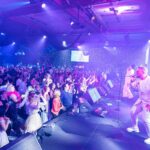
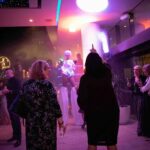
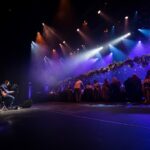
For Hollywood Nights, we brought together themed roving performers, a stage show, live bands and DJs. Each element had a different role as the evening progressed.
- Arrivals: Comedic paparazzi and Golden Oscar mime performers greeted guests, while our Golden Goddesses brought interactive photo opportunities to the room.
- Opening Performance: A Greatest Showman-themed performance with dancers brought the entertainment onto the stage.
- After-Party: Live bands and DJs provided the dance music, with a separate silent disco giving guests another way to enjoy the party.
The Hollywood theme connected the entertainment throughout the evening, while each performance had its own place in the programme. 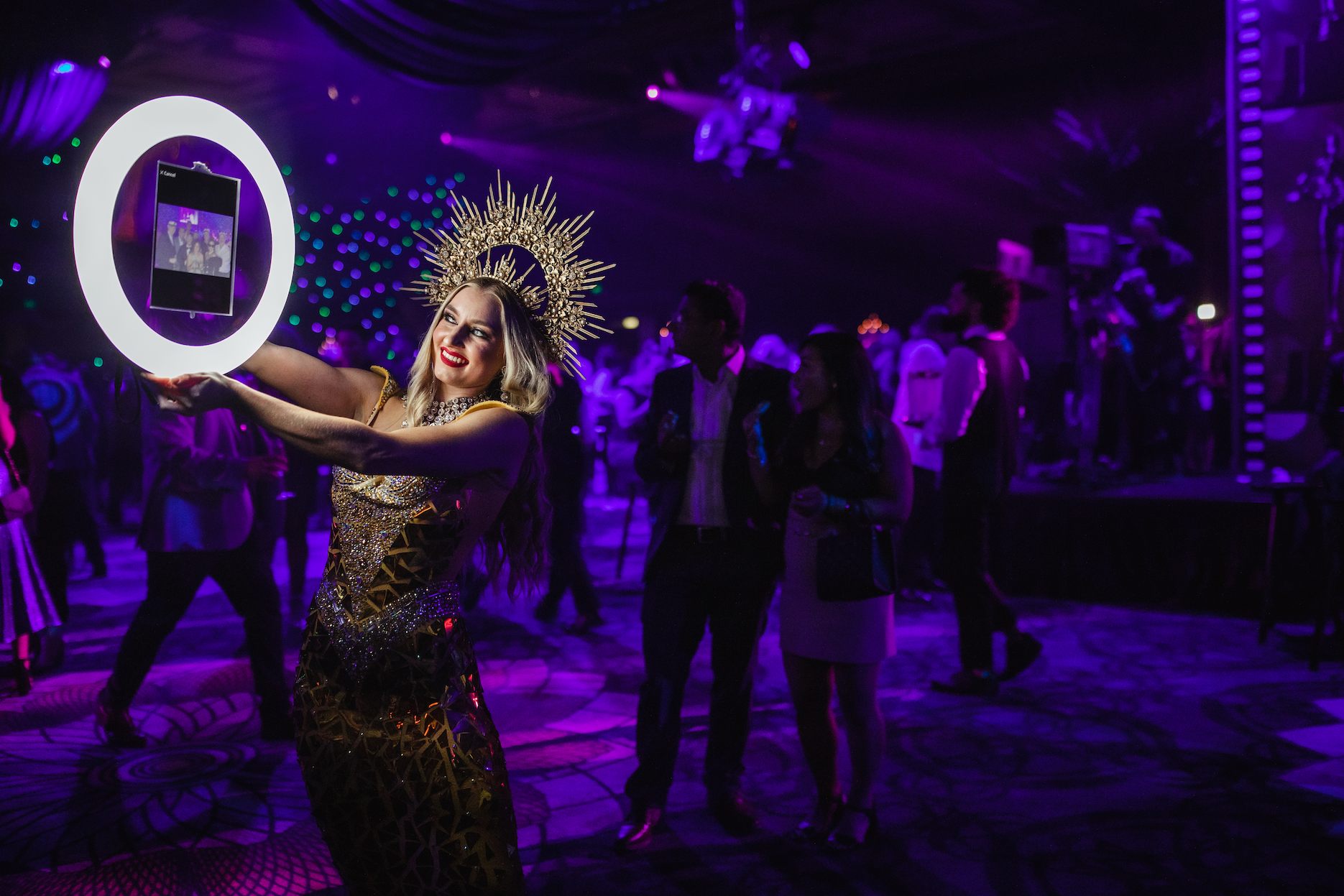
Plan Creative Development, Rehearsals and Handovers
We coordinate the performers and suppliers we book, keeping everyone briefed on timings, cues and handovers. If you’ve arranged your own MC, production team or other suppliers, share their details so we can plan the transitions together.
Brief Any New Creative Work
Use our entertainment booking brief to share your audience, venue and event flow.
For new work, add the message to communicate, where the performance sits and what happens immediately afterwards.
A hypothetical brief might begin: “We want a performance that leads into the product reveal, followed by our speaker.”
Include the person who can approve creative decisions and any dates that affect preparation.
Allow for Rehearsal and Equipment Changes
A soundcheck tests the audio. A rehearsal gives the people involved a chance to practise the sequence, including introductions, cues and exits.
Share details of your venue’s equipment and discuss the rehearsal requirements for the proposed performances.
If you would like the same musicians to play during arrivals and dinner, include both performances in your brief. Their line-up, equipment and any move between spaces need to be considered together.
Plan what guests will experience during a changeover. The interval might suit conversation, agreed playback or another performance.
Coordinate the Handovers Between Performances
We’ll agree the handover with your event lead and production team. For a transition from awards to a band, that includes the closing announcement, any stage changes and when the music starts.
The agreed cues and contacts should sit in the shared event run sheet, so everyone is working from the same plan.
What Your Entertainment Programme Needs to Cover
Discuss these details with us alongside your proposed line-up. They help define what is included and how the performers, venue and production team will work together.
| Programme Detail | Points to Discuss Where Relevant |
|---|---|
| Acts and timing | Who performs, where, for how long and whether anyone has more than one role |
| Creative work | Existing material, adaptations or a new show; who develops each element; what your team supplies |
| Creative approvals | Who approves the work, review points, key dates and any revisions included in the agreed scope |
| Performance handovers | Introductions, cues, equipment changes and who calls each transition |
| Production | Sound, lighting, staging, playback and operators, including what comes from the venue or another supplier |
| Rehearsal | What needs to be run through, who attends and access to the performance space |
| Venue and service | Setup access, performance areas and meal-service windows |
| Coordination | The main event contact and how changes reach performers, catering and technical teams |
| Inclusions and costs | Which performance, creative, rehearsal, production, travel and coordination costs are covered; prices in AUD and whether GST is included |
Our entertainment budget guide can help you plan an allowance for the programme you have in mind.
Plan Your Custom Entertainment Programme With Onstage
At Onstage Entertainment, we can do more than bring together existing acts. We can customise suitable performances or create entirely new shows around your event brief, giving you entertainment that reflects your theme, company message or the experience you want guests to remember.
Whether you’re planning a themed gala, corporate awards night or product launch, we can help you decide where custom entertainment will make the biggest difference. You might need a specially developed feature performance, changes to an existing act or a combination of established entertainment and bespoke creative work.
You don’t need to have every detail worked out before getting in touch. Share your event date, location, approximate guest numbers and programme, along with any ideas, themes or performers already booked. We can discuss what’s possible and how the different entertainment elements could work together.
Explore our event entertainment services, feature acts for corporate events and stage management support to discover more of what we offer.
Discuss Your Custom Entertainment Ideas With Onstage.
Custom Entertainment Programme FAQs
Can Our MC Also Provide Entertainment?
Yes, where the selected performer offers both roles. Tell us whether you have music, comedy, magic or another performance in mind.
Allow for preparation, equipment changes and breaks between duties. Someone else may need to handle announcements while the MC is preparing or performing.
Can We See Performance Examples Before Booking?
Ask us what footage is available for the acts you’re considering. It can help you judge their style and picture how a performance might fit your event.
For a new show, discuss what you can review during development and when.
How Should Staff Contributions Fit Into the Programme?
If your team is preparing a performance or recorded contribution, include it alongside the professional entertainment in your brief.
Share its length, any playback needs and who is preparing the material. Plan the introduction and the handover afterwards, particularly if microphones or the stage layout need to change.
What Should We Check Before Repeating a Programme at Another Venue?
Send us the new date, venue and audience details. Performer availability, performance space and production requirements need to be reviewed for the new event. Any reuse of specially created material should follow the agreed terms.