Special effects have the power to transform an event from ordinary to unforgettable. They shape atmosphere, influence energy and create the visual moments guests remember long after the celebration ends. While entertainment such as music and performances drives engagement, special effects support those moments by enhancing the environment around them.
Today’s event effects are not limited to large productions or expensive installations. Many of the most effective ideas are simple additions that enhance lighting, sound or interaction. The goal is not to overwhelm guests but to create moments that feel immersive and memorable. A well-placed lighting effect or a creative DIY photo booth can completely change how guests experience the space.
Modern events often combine several subtle elements rather than relying on a single dramatic effect. Lighting may change gradually as the evening progresses. Music may be paired with soundscaping to create atmosphere. Interactive elements such as photo booths invite guests to participate in the celebration.
When used thoughtfully, these effects help guide the emotional journey of an event. They shape how guests arrive, how they interact and how the evening builds toward its most energetic moments.
Why Special Effects Matter
Special effects do more than decorate a venue. They influence the way guests move through the space and how they feel while they are there.
Lighting can make a room feel intimate or energetic. Soundscaping can turn an outdoor venue into a calm natural retreat or an exciting festival-style space. Interactive elements encourage guests to connect and participate.
Guests may not consciously notice these elements, but they respond to them instinctively. When effects are balanced properly, the event feels effortless. When they are missing or poorly planned, the atmosphere may feel flat even if everything else is well organised. Guests might even leave early.
This is why event planners often think of special effects as atmosphere tools rather than decorations.
LED Lighting and Visual Performances
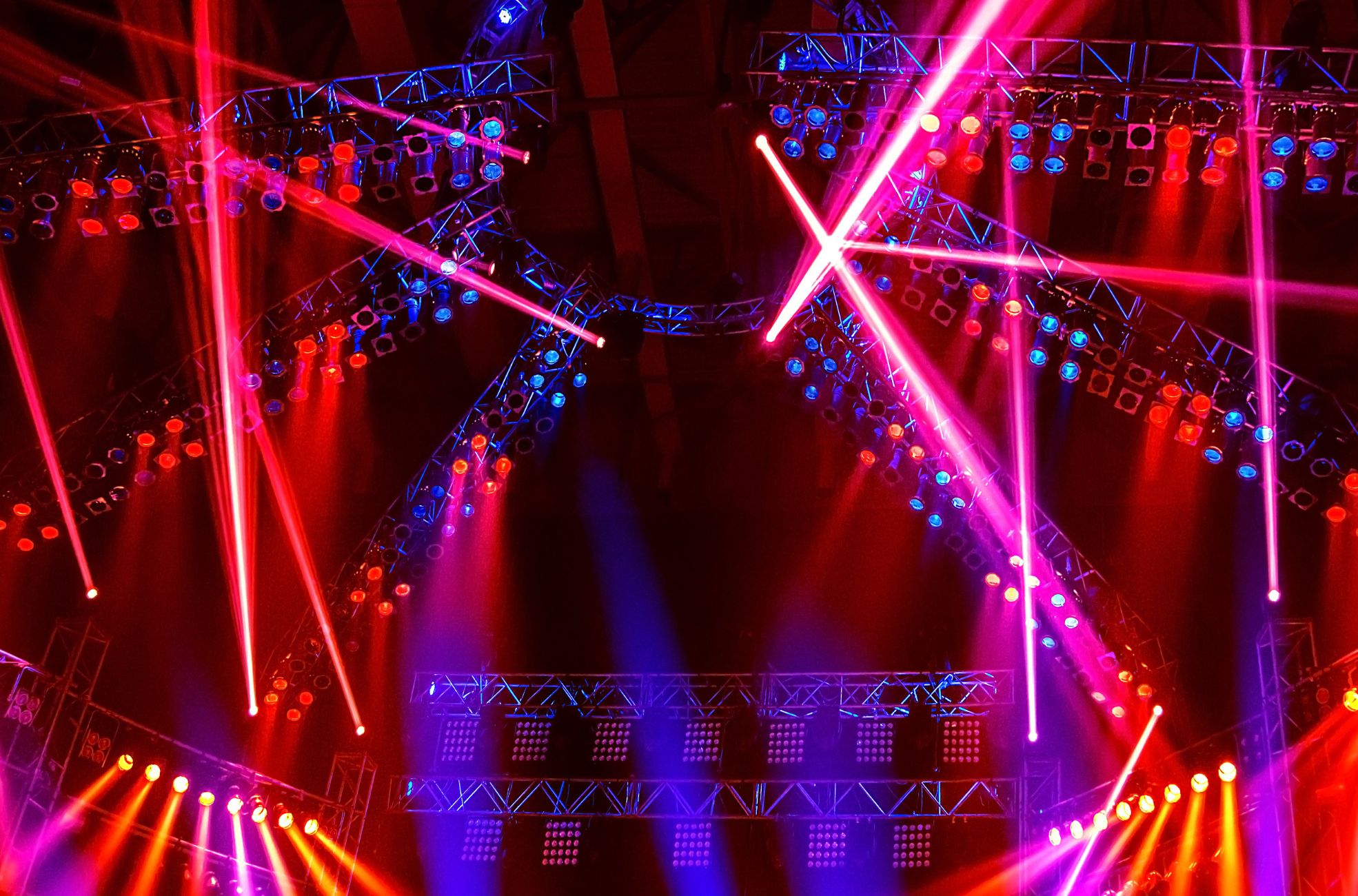
LED lighting has become one of the most versatile special effects available for events. It allows colours and brightness levels to change instantly, helping the environment evolve throughout the night.
Early in the event, warm lighting can create a welcoming atmosphere while guests arrive. As speeches or presentations begin, focused lighting can draw attention to the stage or central area. Later in the evening, brighter or more colourful lighting can energise the dance floor.
LED performers or dancers add another layer of visual excitement. Their illuminated costumes and props move with music, creating a coordinated light show that captures attention across the room.
These performances work especially well when introducing the dance floor or marking a transition in the evening. Guests naturally stop talking and focus on the performance, which helps shift the event into its next phase.
Because LED lighting is highly adaptable, it works well for weddings, corporate functions and large celebrations alike.
Soundscaping: The Overlooked Atmosphere Tool
While lighting and visuals often receive attention, soundscaping is one of the most powerful effects available. Soundscaping refers to carefully designed background audio that shapes the atmosphere of a space.
Instead of relying solely on music, soundscaping introduces layers of sound that complement the environment. In an indoor venue, this might include soft ambient music paired with subtle background sounds that enhance relaxation and conversation.
Soundscaping works particularly well during arrival and dining periods. It fills the room with warmth without overpowering conversation. Guests feel comfortable because the environment feels lively but not loud.
For outdoor events, soundscaping becomes even more important. Natural spaces often have unpredictable acoustics, and thoughtful sound design helps balance those conditions.
Soundscaping for Outdoor Events
Outdoor venues offer incredible scenery, but they also introduce challenges for sound and atmosphere. Wind, open space and surrounding noise can affect how music and voices travel.
Outdoor soundscaping helps manage these elements by creating a balanced audio environment. Instead of relying on loud music, subtle layers of sound create depth without overwhelming the space.
Examples of outdoor soundscaping include:
- Gentle acoustic music during arrival
- Ambient sound layers that blend with natural surroundings
- Carefully positioned speakers to maintain even sound levels
This approach allows guests to enjoy the natural environment while still feeling immersed in the event. It is particularly effective for garden weddings, outdoor cocktail parties and festival-style gatherings.
Soundscaping also helps guide guests through different parts of an event. Softer sounds encourage conversation, while stronger rhythms later in the evening signal a shift toward celebration.
Creative Lighting Design
Lighting is often the most powerful special effect because it changes the perception of an entire space. A room that feels bright and formal during dinner can transform into a lively dance environment simply by adjusting lighting colours and intensity.
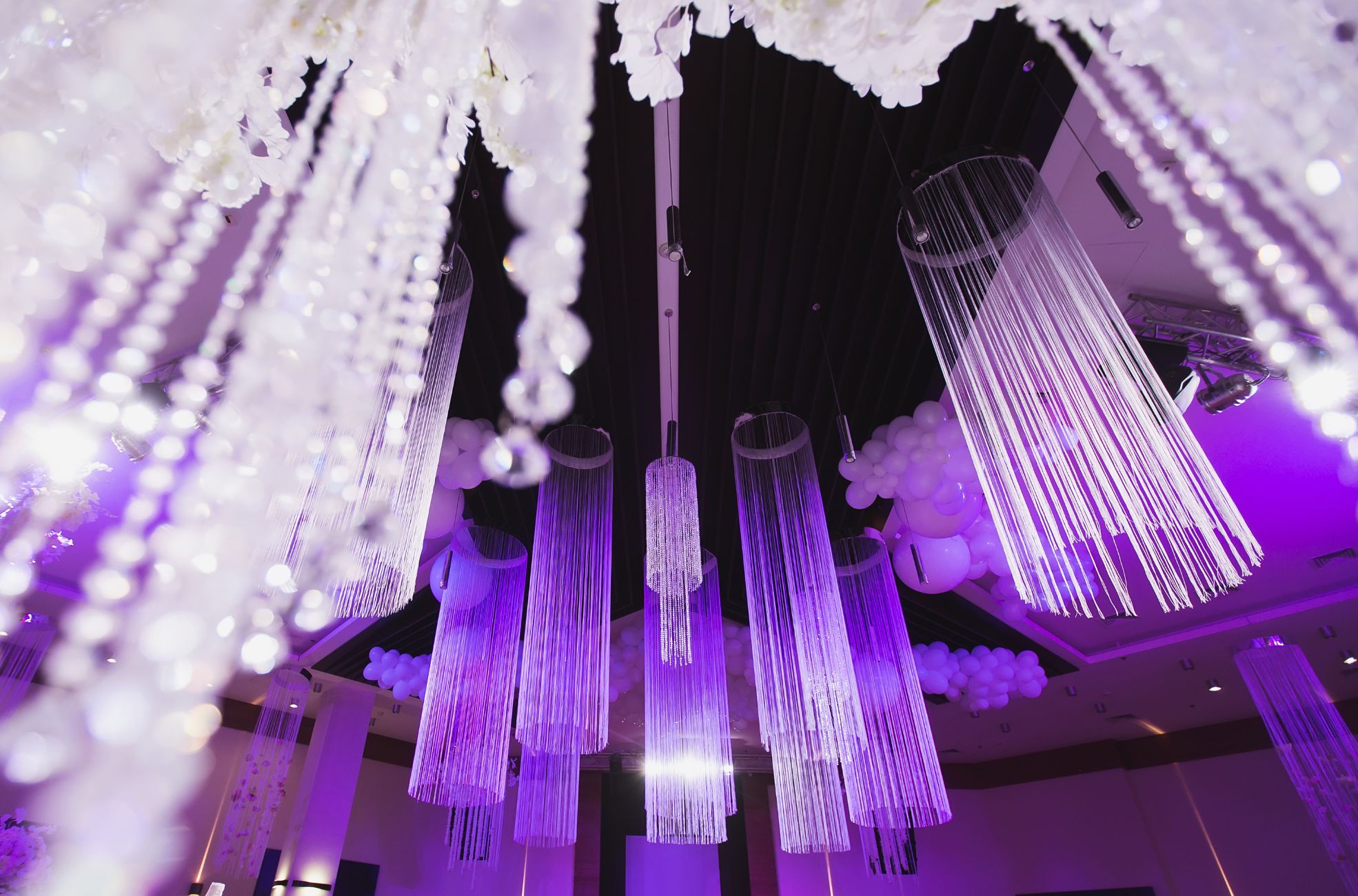
Professional lighting design often includes layers. Ambient lighting sets the overall tone of the room. Accent lighting highlights specific areas such as stages, bars or seating areas. Decorative lighting adds visual interest without overwhelming the space.
Colour changes can also be timed with different stages of the event. For example, warm tones may dominate during dinner while brighter or cooler tones appear when dancing begins.
Lighting also improves photography and videography. Balanced lighting helps capture natural expressions and keeps the event visually appealing in photos.
DIY Photo Booth Experiences
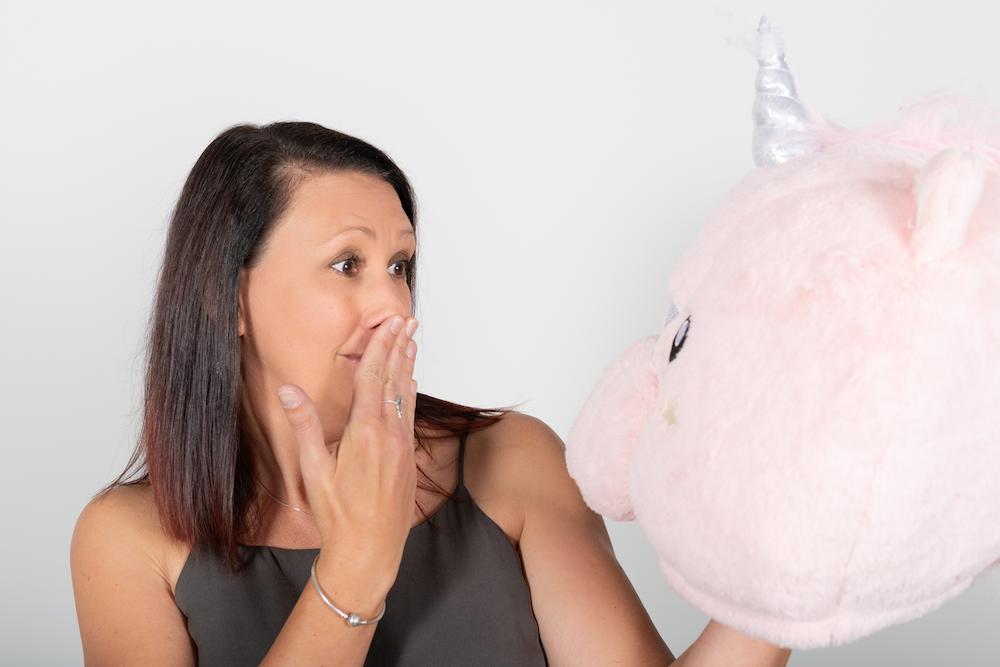
Interactive elements are among the most enjoyable special effects because they involve guests directly. A DIY photo booth is a perfect example.
Rather than simply taking pictures, guests gather in small groups, choose props and create spontaneous moments together. The activity encourages conversation and laughter, especially among guests who may not know each other well.
A DIY photo booth does not need to be complex. A simple backdrop, good lighting and a camera or instant photo printer can create a memorable experience. Couples or hosts often personalise the booth with themed props or decorative elements that reflect the event style.
Because the booth is self-directed, guests can participate whenever they like. Some visit early in the evening while others return later after the dance floor opens. The result is a steady stream of interaction throughout the event.
DIY Decorations With Impact
Decorations can also function as special effects when designed creatively. DIY decorations often allow hosts to personalise an event while keeping costs manageable.
Examples include handmade centrepieces, customised signage or creative lighting displays built around simple materials. String lights, lanterns or glowing jars can transform outdoor spaces into warm gathering areas.
DIY decorations also encourage guests to explore the venue. When decorations appear in different areas — near seating spaces, food stations or entrances — they create visual interest throughout the event.
The key is balance. Too many decorations can make a space feel crowded, while thoughtful placement helps guide guest movement naturally.
Combining Effects for Maximum Impact
The most memorable events rarely rely on a single special effect. Instead, they combine several elements to create a layered experience.
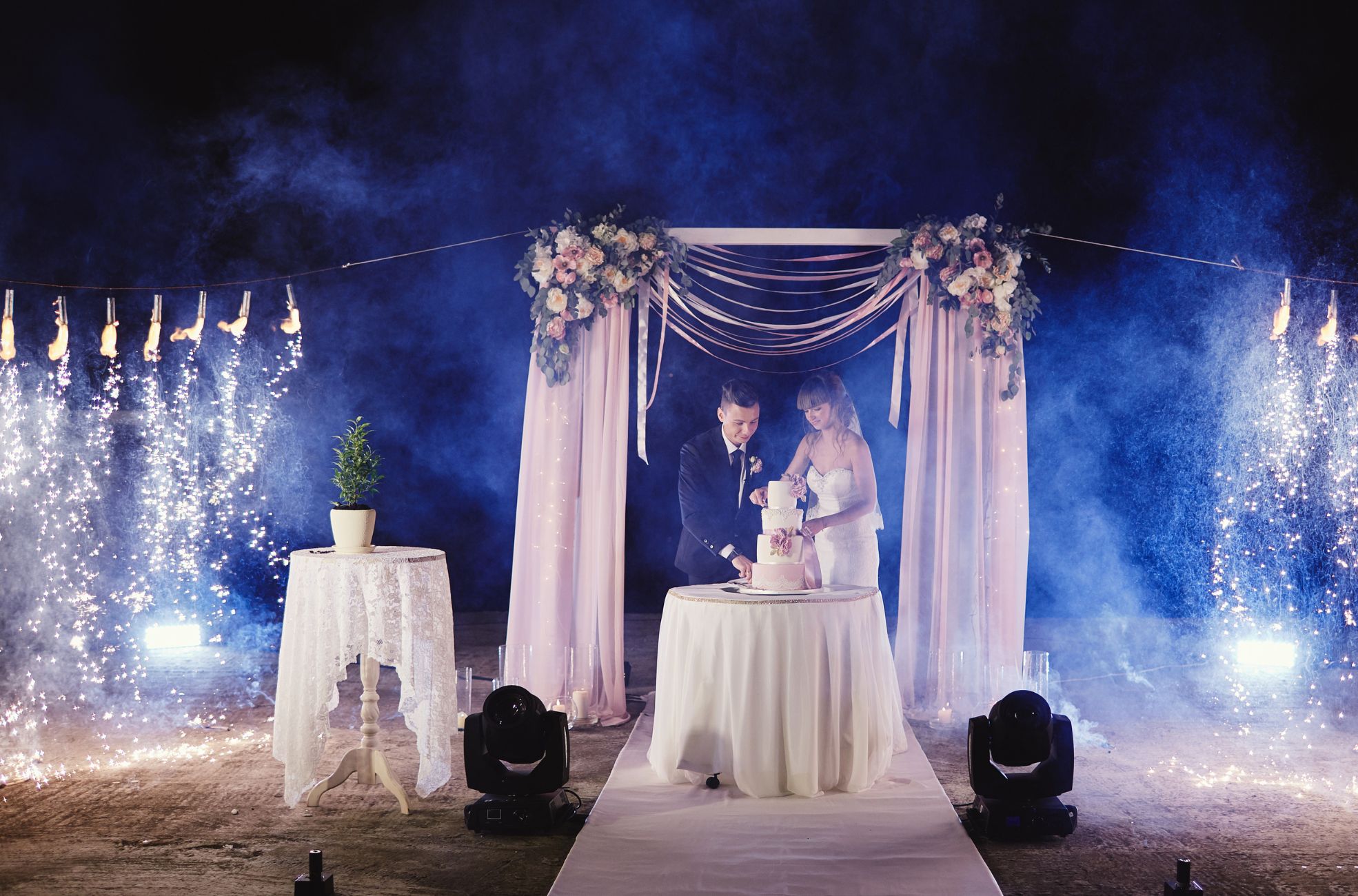
For example, an outdoor wedding may begin with natural soundscaping and warm lighting during the ceremony. As the evening progresses, LED lighting and performers might appear to open the dance floor. A DIY photo booth could run throughout the night, giving guests a place to interact between dancing and conversation.
These combinations help maintain energy while allowing guests to experience the event in different ways.
When special effects work together, the environment feels immersive rather than staged.
Planning Special Effects Successfully
The key to successful special effects is coordination. Lighting, sound and interactive elements should support the overall event plan rather than compete with each other.
Before selecting effects, consider the following:
- What atmosphere should guests feel when they arrive?
- When should the event energy increase?
- Where will guests gather throughout the evening?
Answering these questions helps determine where each effect will have the most impact.
It is also important to consider timing. A dramatic LED performance may work best after dinner, while soundscaping is most effective during arrival and dining periods.
Creating Moments Guests Remember
Guests rarely remember every detail of an event, but they remember moments that made them feel something. A sudden lighting change, a glowing performance or a shared laugh at a photo booth can become the highlight people talk about afterwards.
Special effects create these moments by adding surprise and atmosphere. They help guide the emotional journey of the event, from the calm anticipation of arrival to the excitement of the dance floor.
When planned thoughtfully, effects feel natural rather than forced. Guests simply experience the event as vibrant, welcoming and memorable.
Final Thoughts
Special effects do not need to be extravagant to make a difference. In many cases, the most successful events rely on a few carefully chosen elements that support the overall atmosphere.
LED lighting, soundscaping, creative decorations and interactive experiences such as DIY photo booths can all enhance guest engagement. When these effects are balanced with music, entertainment and thoughtful event flow, they create an environment where guests feel comfortable participating.
The best events combine atmosphere, interaction and visual excitement. With the right mix of lighting, sound and creative touches, special effects become more than decoration — they become part of the story guests take home with them.