
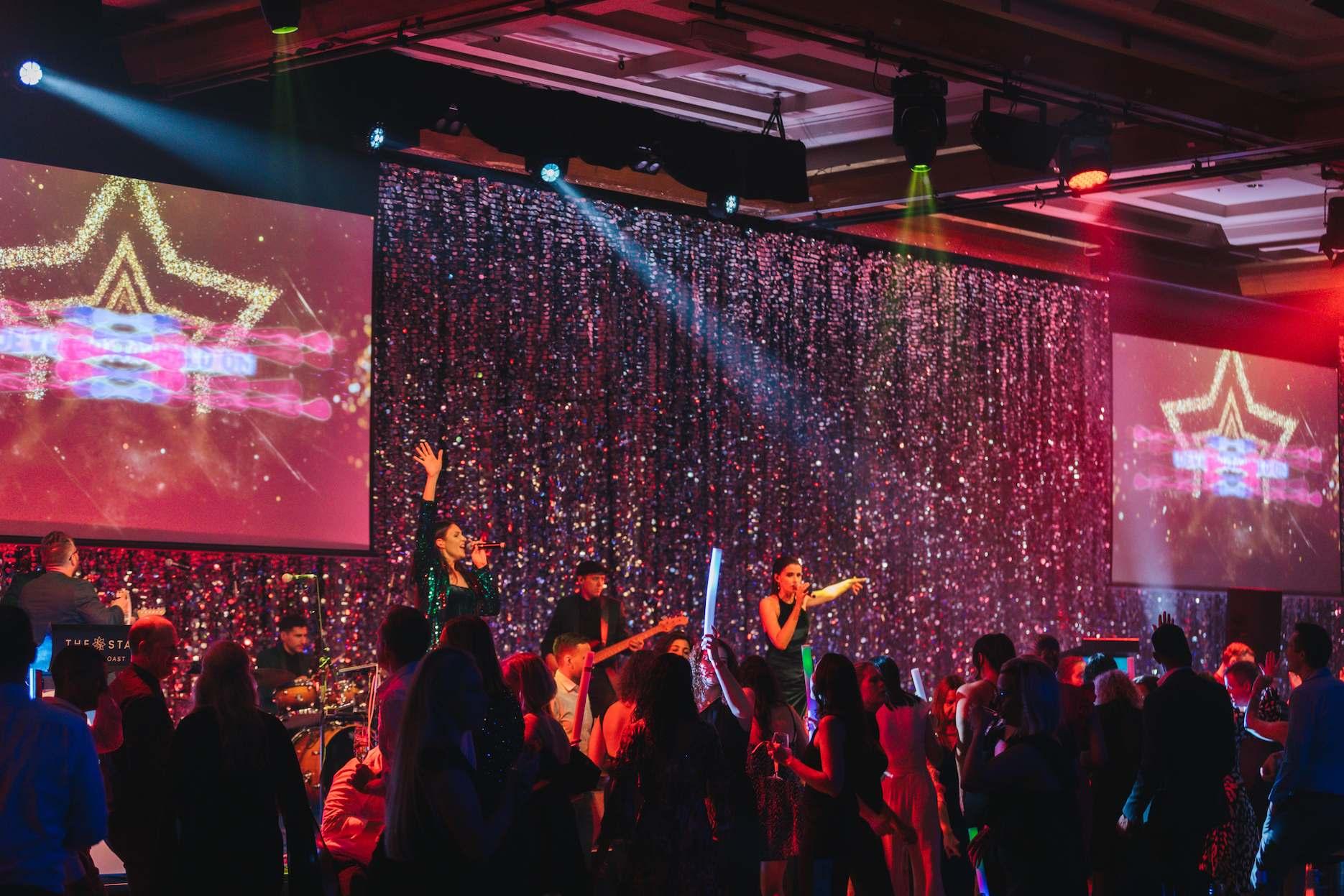
A company anniversary event celebrates a business milestone and the people who helped make it happen. These 10 company anniversary event ideas offer ways to mark the organisation’s birthday, whether you’re celebrating a decade in business or half a century.
Start with three decisions:
- Choose your guests: Staff, clients, suppliers, founders, former employees or a combination.
- Pick the occasion: A relaxed gathering, a formal dinner or something in between.
- Plan the anniversary moment: Bring the company story, recognition and entertainment together.
Start With the Kind of Celebration You Want
Before booking a venue, decide what you want guests to spend most of the occasion doing. Catching up with former colleagues needs a different pace and layout from settling in to watch a live show.
Let your guests guide the format, not the anniversary number. A 50-year milestone doesn’t automatically call for black tie, and a 10-year anniversary can still deserve a big night.
10 Company Anniversary Event Ideas
Choose one main purpose for the celebration, then build the anniversary details around it. The ideas below range from a gathering for your current team to a reunion, a public celebration or a performance-led occasion.
1. A Staff Party Built Around Shared Memories
For an anniversary centred on your current team, make the people in the business part of the content. Ask employees to contribute a photograph, old uniform, product brochure or something that captures a particular chapter of the company.
Use those pieces to start conversations, rather than relying on generic anniversary decorations. You could turn a few into a light-hearted hosted activity, asking guests to identify an object or match an old photograph to a location.
Give enough clues for newer employees to join in too. The stories behind the answers are the interesting part, rather than finding out who has worked there longest.
Once those memories have been shared, let the formal content finish and give people time to enjoy themselves. Our guide to staff party ideas can help with the social side of the celebration.
2. A Cocktail Reception for the People Who Helped You Grow
When clients, suppliers and business partners are central to the company story, a cocktail reception gives you room to recognise those relationships without filling the evening with speeches.
You might display photographs from early collaborations or share stories about partnerships that have lasted across several stages of the business. Keep it selective, and confirm permission before featuring another organisation or its work.
Hosting matters more here than stage time. Make sure invited guests have someone looking after them, making introductions and helping different generations of the business connect.
Keep the entertainment conversational too. Background music, an acoustic act or well-placed roving entertainment can add atmosphere without making guests compete with the performance.
3. A Milestone Dinner With a Proper Celebration Afterwards
A seated dinner works well when you want everyone to hear the same story, acknowledge the milestone together and give the occasion a little more ceremony.
Rather than breaking the evening up with speeches every twenty minutes, build towards one clear anniversary segment. That could include a short film, a hosted conversation and a toast before the mood changes.
Then let it change properly. Protect the entertainment time when you build the programme. Booking a brilliant band makes little sense if another round of speeches pushes their first set back until guests are thinking about heading home.
For the wider venue, catering and dinner planning, our gala dinner guide covers the practical details around the anniversary itself.
4. A Company-History Showcase Guests Can Explore
Some businesses have a history worth seeing, not just hearing. Bring the archive into the room, with an early product beside its current version, original designs or photographs showing how the first premises looked.
The important part is the story attached to each piece. Why did that product matter? What changed after a particular decision? What would surprise someone who joined the company recently?
Invite people connected with the exhibits to share their recollections. Someone who worked with an early product or remembers a major transition can give guests a first-hand account that a display board cannot.
This can work as a standalone open house or as an interactive element within a larger anniversary event. At a workplace, agree visitor routes and keep guests away from operational hazards and confidential areas.
5. A Family Day That Opens Up the Company Story
A company anniversary can be a lovely opportunity to include the families who usually experience the business from the outside.
Think relaxed rather than over-programmed: lunch, live music, a few activities and something that explains what the organisation does and how it has changed.
Where it suits the business, let employees show their families something they’ve helped create. A demonstration, product display or behind-the-scenes element can make the day feel personal without becoming overly formal.
Bring everyone together once for the anniversary itself, perhaps for a welcome, cake or group photograph, then let the afternoon breathe.
One thing we’d avoid is turning the event into a children’s party with adults standing around the edges. Include something for different generations, make activities optional and give people time to catch up.
6. One Anniversary, Celebrated Across Your Locations
For a company with regional, interstate or remote teams, one huge event at head office isn’t the only option. Consider local celebrations connected by a shared anniversary moment.
Each location could contribute a photograph, short recollection or message, then everyone joins for a film, toast or live segment. After that, let the local events take on their own character with food, entertainment and hosting that suit each team.
Don’t make every other office feel like an audience for the head office party. Where people are gathering locally, give them a genuine celebration of their own.
Check local start times for the chosen date and rehearse the connection from the actual event spaces. Test what guests will hear and see from their seats, not just whether two laptops can join a call.
7. A Reunion for Former Staff, Founders and Long-Time Contributors
Some anniversaries are really about bringing people back together. Consider a reunion when the business has changed significantly or former employees still have strong connections with the organisation.
Invite current and former staff, founders, retired leaders and others who played an important part in the company’s development. Rather than relying on formal speeches, create opportunities for those generations to talk to one another.
You might display team photographs by decade, create a relaxed interview area or ask guests to contribute a short memory before the event. Use those recollections as conversation starters in the room.
We’d also make sure the current team is properly included. The anniversary should connect the company’s past with the people carrying it forward, not make newer employees feel like they’ve arrived at someone else’s reunion.
8. A Live Anniversary Show Built Around the Company Story
Make a live show the main event, rather than booking a performance to follow dinner. Give guests a programme built around the company’s story, with drinks and social time arranged around it.
Choose a few turning points and explore them through live music, short films and conversations led by an MC. Each element should move the story forward, rather than cover the same ground in a different format.
Plan the room around the audience’s view of the show. Consider seating, sightlines and the movement between performers, contributors and screens.
This idea needs an agreed creative brief and time to rehearse the transitions. Work through the production requirements with your entertainers and technical team before committing to the final programme.
9. A Customer or Community Anniversary Celebration
For a public-facing business, the people worth celebrating may extend well beyond employees and corporate clients.
A community anniversary could take the form of an open day, public performance, product demonstration or relaxed gathering at the business itself.
The format should reflect the relationship people have with the organisation. A local business might invite past customers to share photographs and memories. A manufacturer could offer suitable demonstrations, while a venue could celebrate with live entertainment and an open programme.
This is different from a client reception because the focus is broader. You’re recognising the community around the business, not hosting a selected group of commercial relationships.
For a public event, plan capacity, access, safety and staffing from the beginning. Don’t treat it as an ordinary corporate function with a longer guest list.
10. A Private Anniversary Cruise
Take the celebration onto the water with a private river cruise. Make the journey part of the occasion, with time to enjoy the view, share a meal and catch up away from the workplace.
Bring everyone together for a short anniversary welcome and toast, then let music carry the social side of the event. An acoustic performance or DJ could form part of the programme, depending on the vessel and the space available.
Plan around the boarding and return times. Give guests clear arrival instructions and check whether the setting suits the access needs of the people you’re inviting.
Before booking, confirm sheltered seating, sound restrictions and the practical setup for your entertainers. Keep the programme simple enough that guests can enjoy the trip itself, rather than spending it watching another presentation.
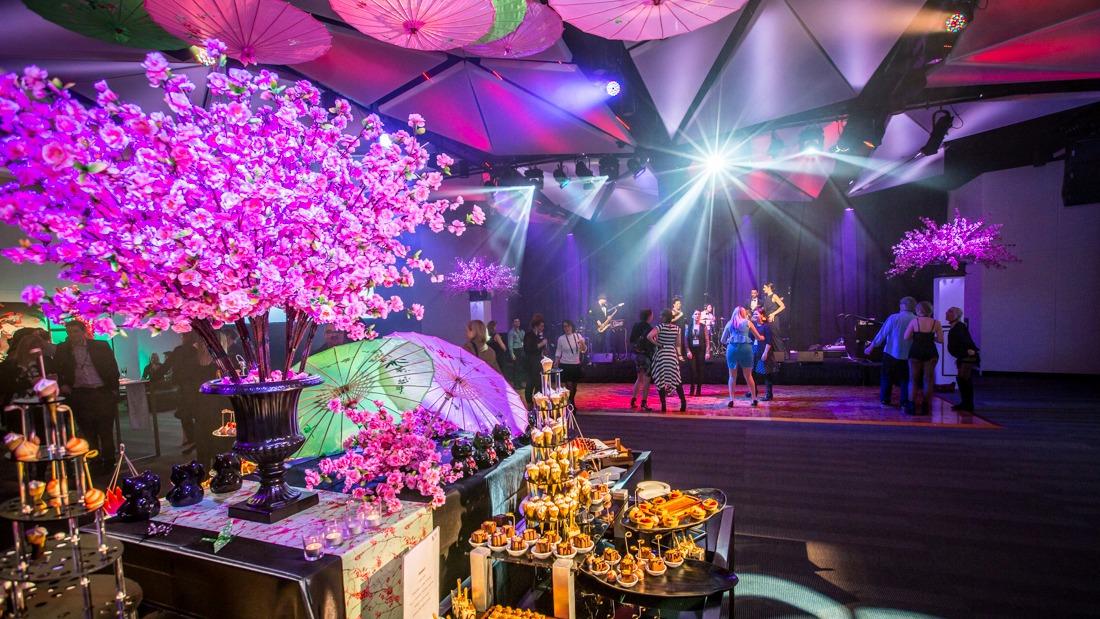
Choose a Theme That Belongs to the Business
A useful anniversary theme helps you make choices about stories, music and styling. It doesn’t need to create a costume requirement or send the organising team searching for another set of props.
- Then, Now and Next: Pair archival images with current work, then finish with a brief contribution from people helping shape the organisation’s future.
- The People Behind the Business: Build the room around portraits, personal recollections and contributions from different teams, founders and partners.
- Through the Decades: Use genuine company milestones to connect changes in design, products, uniforms and music.
For a 10-year company anniversary, consider the original idea and the decisions that got the business established. For 20 or 25 years, you might explore how services, locations and working relationships have changed.
For a 50-year anniversary, bring different generations into the conversation. Let former colleagues recognise the business they helped build, while giving current employees a place in the story.
Make the Company Story Worth Listening To
Where your event includes speeches or a hosted segment, decide which stories deserve everyone’s attention. At a family day or open house, those same stories might work better in displays and informal conversations.
The aim isn’t to cover every year. Choose moments that give guests something to picture, understand or smile about.
Ask for Stories, Not Career Summaries
Instead of asking a founder to “say a few words about the business”, give them a question worth answering.
“What convinced you to take on the first premises?” or “Which early decision would surprise the team today?” gives the conversation a clear starting point.
Give each part of the programme a different job. A short film might introduce the early years, while a hosted conversation explores one turning point in more detail.
Review the film and speaker notes together before the event. Guests shouldn’t hear the same story twice just because different people prepared each part.
Recognise People Without Putting Them on the Spot
Work out who deserves acknowledgement before speeches and invitations are finalised. Look beyond current job titles to former employees, regional teams, suppliers and others who genuinely belong in the company story.
Be specific about what you’re thanking people for. Explain someone’s contribution rather than leaving guests to read their name on a screen.
And don’t assume that an important person wants a microphone. Offer a recorded interview, written recollection or acknowledgement from the MC instead.
Long service may be part of the story, but it shouldn’t become the whole story. Newer employees should feel part of the business being celebrated, not like guests at an event for people who arrived before them.
Give the Rest of the History Somewhere to Live
The material that doesn’t make it into the shared programme can still be part of the event. Use a timeline, photo display, keepsake or digital archive to hold the extra detail, so guests can explore it in their own time.
Before production, nominate someone to check names, dates, permissions and how photographs will be used. For identifiable photos and videos, check your organisation’s privacy obligations against the Office of the Australian Information Commissioner’s guidance on photos and videos.
Think beyond this anniversary, too. Brief the photographer to capture current and former colleagues together and people interacting with the historical displays. Include details that will help tell this chapter of the business when the next milestone comes around.
Match the Entertainment to the Anniversary Programme
We’d choose entertainment around what guests should be doing at that point in the event. A reception needs room for conversation, a live anniversary show needs everyone’s attention, and a party needs a clear invitation to join in.
Choose an MC Who Can Have a Conversation
For a company-history segment, look for professional MCs with interviewing experience, not just a confident stage introduction.
You want someone who can ask a useful follow-up question, explain an unfamiliar reference and bring a wandering answer back to the story.
Give them approved facts, names and pronunciations, sensitive subjects and the intended tone. Brief the contributors as well, so everyone knows whether they’re having a conversation or delivering prepared remarks.
Use Musical Eras as a Starting Point
Music from the year the company began could make a lovely arrival detail. It doesn’t have to become the rule for the entire playlist.
We’d use selected songs to acknowledge particular chapters, then broaden the repertoire when it’s time to celebrate. The business’s founding year shouldn’t dictate the whole playlist.
Gather preferences across the guest list rather than guessing from age or length of service. Brief your band or corporate event DJ separately on arrival music, historical cues and any dance-floor sets.
Give a Feature Act a Moment of Its Own
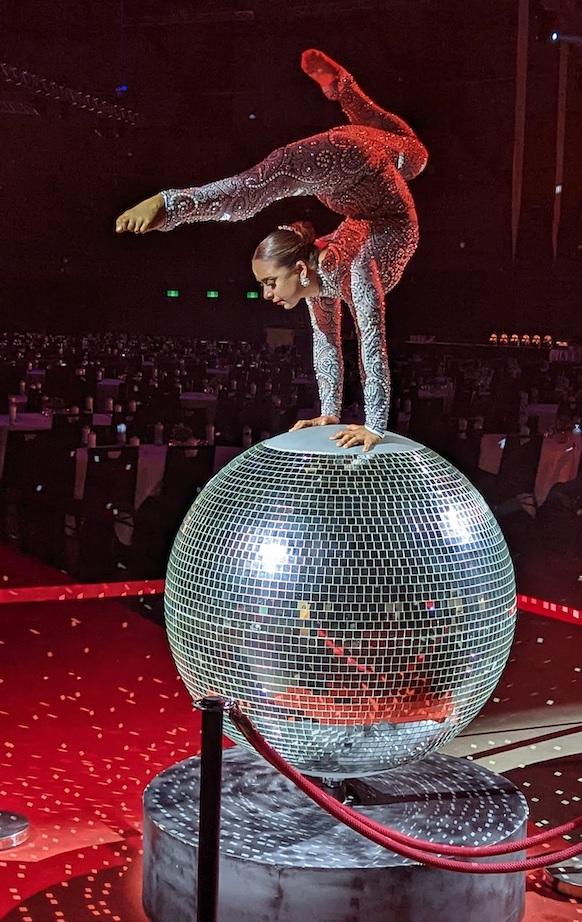
At an anniversary dinner, a feature performance can provide a clear change of pace after the toast. In a live anniversary show, it may sit within the main programme, connected to a particular chapter of the company story.
When you’re considering feature acts from Onstage, tell us what you’re celebrating and where the performance will fit. We can help you explore suitable options and what level of customisation may be possible.
Not every act needs to be rewritten around the company. Sometimes a strong performance, introduced thoughtfully and given the audience’s full attention, is exactly what the occasion needs.
Make Room for the Celebration in Your Run Sheet
This example suits an anniversary dinner with a short film, hosted conversation and toast. Arrival, dining and entertainment are scheduled separately.
A family day or open house may need only a brief shared welcome rather than this full sequence.
| Illustrative Allowance | Anniversary Moment | What to Settle Beforehand |
|---|---|---|
| 2 minutes | MC introduction | Why the milestone matters and who is contributing |
| 3 minutes | Company-history film | The approved file, captions and who starts playback |
| 8 minutes | Hosted conversation | Agreed questions, each guest’s contribution and a finishing cue |
| 4 minutes | Acknowledgement and anniversary toast | Names, pronunciations and who leads the toast |
| 3 minutes, spread throughout | Entrances, applause and handovers | How contributors reach the stage and move between items |
These allowances add up to a 20-minute anniversary segment, not the full event. Treat it as a starting point, then rehearse and adjust. Include the actual entrances and microphone handovers, not just the words people plan to say.
Agree the timing with catering so a meaningful acknowledgement doesn’t compete with plates being cleared. Brief the MC on what to do if the film won’t play, including a short introduction they can deliver instead.
Also confirm what happens immediately after the toast. Who introduces the feature act, signals the band or invites guests onto the dance floor?
Use our event run sheet template to record timings, responsibilities and technical cues, then share the same version with the people delivering the event. The person raising the anniversary toast shouldn’t also be trying to signal the sound technician.
Look After the People You’re Bringing Together
Your guest list might include current employees, former colleagues who haven’t visited in years and families seeing the business for the first time. Plan for what each group needs to know, rather than assuming everyone is familiar with the venue or the occasion.
Ask about access and dietary requirements when guests RSVP, and name someone they can contact about arrangements. Use the Australian Human Rights Commission’s accessible-event guidance to check venue and stage access, captions, seating and a quiet space.
Pay particular attention to anyone you’re inviting on stage. Agree their route and any support beforehand, rather than leaving them to work it out when their name is called.
Check that guests can approach historical displays and access important visual information in another format where needed.
For regional and interstate guests, provide the venue address, arrival instructions, accommodation options and a realistic finish time. For families, be clear about whether partners and children are invited, what food is included and which activities are available.
Planning outdoors? Check that the wet-weather alternative works for the whole celebration. Walk through where the musicians, displays, seating and guests would go. A covered catering area isn’t much of a backup if the performance and anniversary photographs are still outside.
Three Anniversary Planning Traps We’d Avoid
Before signing off, check how programme changes will be approved, what belongs in the formal content and who will look after the anniversary material afterwards.
Giving everyone on the committee another five minutes. Nominate one person to approve additions, including requests from senior leaders. A late speech should come with a decision about what changes elsewhere, not an assumption that dinner or entertainment can simply start later.
Turning the occasion into a sales presentation. Give the company’s future a place in the story, but keep detailed targets, product updates and strategy announcements for another occasion. Ask what each contribution adds for the guests, rather than what the business wants another opportunity to announce.
Leaving the archive scattered across inboxes. Assign someone to collect the original photographs, approved recordings, captions and permission records in one agreed location. Label the people, dates and occasions while that information is available. The next organiser shouldn’t have to track down former staff just to identify a photograph.

Let’s Give Your Company Anniversary a Proper Celebration
The right company anniversary event ideas should feel as though they belong to your business. That might mean a warm reunion over lunch, a dinner with a few remarkable stories or a night that finishes on the dance floor.
At Onstage, we can help you choose event entertainment that suits your guests, from live music to feature performances. We can also recommend professional MCs to guide the anniversary programme, introduce your contributors and keep the occasion moving.
Need a hand with the wider event? For celebrations in Brisbane and South East Queensland, our event planning services can help with venue selection, supplier coordination, run sheets and management on the day. We can work with you on selected arrangements or provide more comprehensive planning support.
Tell us what you’re celebrating, who’s coming, your preferred date and location, and the budget you’re working with. You don’t need every detail settled before getting in touch. Let’s talk about what you’ve already organised and where you’d like a hand.
Company Anniversary Event FAQs
Does a Company Anniversary Event Need to Be Held on the Exact Date?
No. Choose a date that works for the people you’re bringing together. You can acknowledge the founding date with a company message, then hold the celebration on a more practical date within the anniversary year.
Which Anniversary Should a Business Celebrate After a Merger or Rebrand?
Decide exactly what you’re marking: the original organisation’s founding, the beginning of the current business or the launch of a brand. Make that clear in the invitation and anniversary material, and acknowledge predecessor organisations where they belong in the story.
How Far Ahead Should You Start Planning a Company Anniversary?
Start once there’s an organiser and provisional budget. Check venue and entertainer availability before fixing the date, then work backwards through interviews, archive permissions, films and any custom performance development. Confirm preparation deadlines with suppliers rather than assuming everything can happen in the final few weeks.
How Much Should You Budget for a Company Anniversary Event?
Cost the occasion you’re planning, including venue hire, catering, entertainment, technical production, travel, accessibility arrangements and photography.
Price anniversary extras, such as archive digitisation, films and customised performances, separately. Ask suppliers to distinguish inclusions, optional extras and exclusions so you can decide where the budget will do the most for your guests.