Conference entertainment is live music, performance or hosted interaction chosen for specific parts of a corporate conference. These 10 conference entertainment ideas cover arrivals, openings, networking, dinners and closing functions. Unlike a standalone party, the entertainment needs to work around your business programme, not compete with it.
Where Does Conference Entertainment Fit in the Programme?
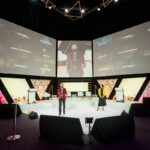
Conference entertainment can work at several points throughout the day. Acoustic music can welcome delegates on arrival, percussion or dance can open the conference, and close-up or roving acts can suit breaks and networking. Later, a vocal performance can mark the formal close, while comedy, hosted games, a band or DJ can take the conference into its evening programme.
At Onstage, we’d start with one question: what do you want delegates to be doing at that point? Chatting over coffee calls for something very different from a seated opening performance or a post-dinner dance floor. You don’t need entertainment everywhere, just in the moments where it genuinely adds something.
Entertainment for Delegate Arrivals and Conference Openings
Make the distinction between welcoming people into the venue and asking them to watch a performance. The foyer and the main stage need different briefs.
1. Acoustic Music for Delegate Arrival
Picture an acoustic duo playing while delegates collect their lanyards and catch up with colleagues. The music is part of the welcome, without asking anyone to stop what they’re doing.
Choose the sound you’d like, whether that’s relaxed guitar and vocals or an instrumental ensemble for a more formal arrival. Keep the performers clear of registration queues and information screens.
Check the volume from the registration desk, not just beside the musicians. Staff should be able to answer questions without raising their voices. Leave accessible routes clear around equipment and any guests who stop to listen.
2. A Percussion Act to Open the Conference
For a performance that delegates sit down to watch, consider a percussion-led opening. Think synchronised rhythms, precise movements and a definite finish before the MC introduces the first session.
Our act Bang! features four percussionists combining rhythmic grooves, stick tricks and precision drumming. It’s one of our feature acts to consider for a conference opening.
We’d look closely at the handover afterwards. Can the drums stay in place, or must they be cleared before the first speaker? Allow for that change rather than timing only the performance itself.
3. A Choreographed Dance Performance for the Opening
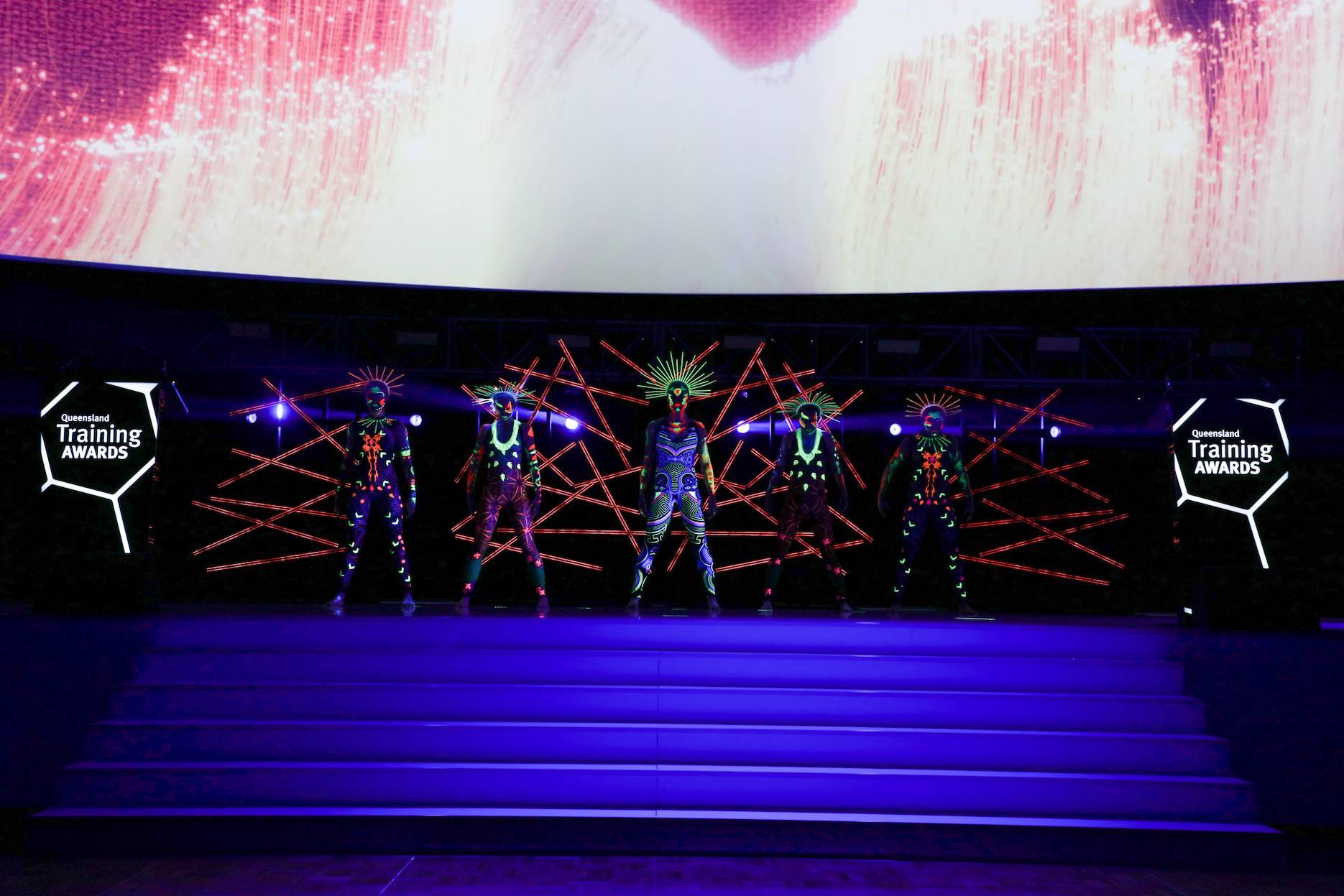
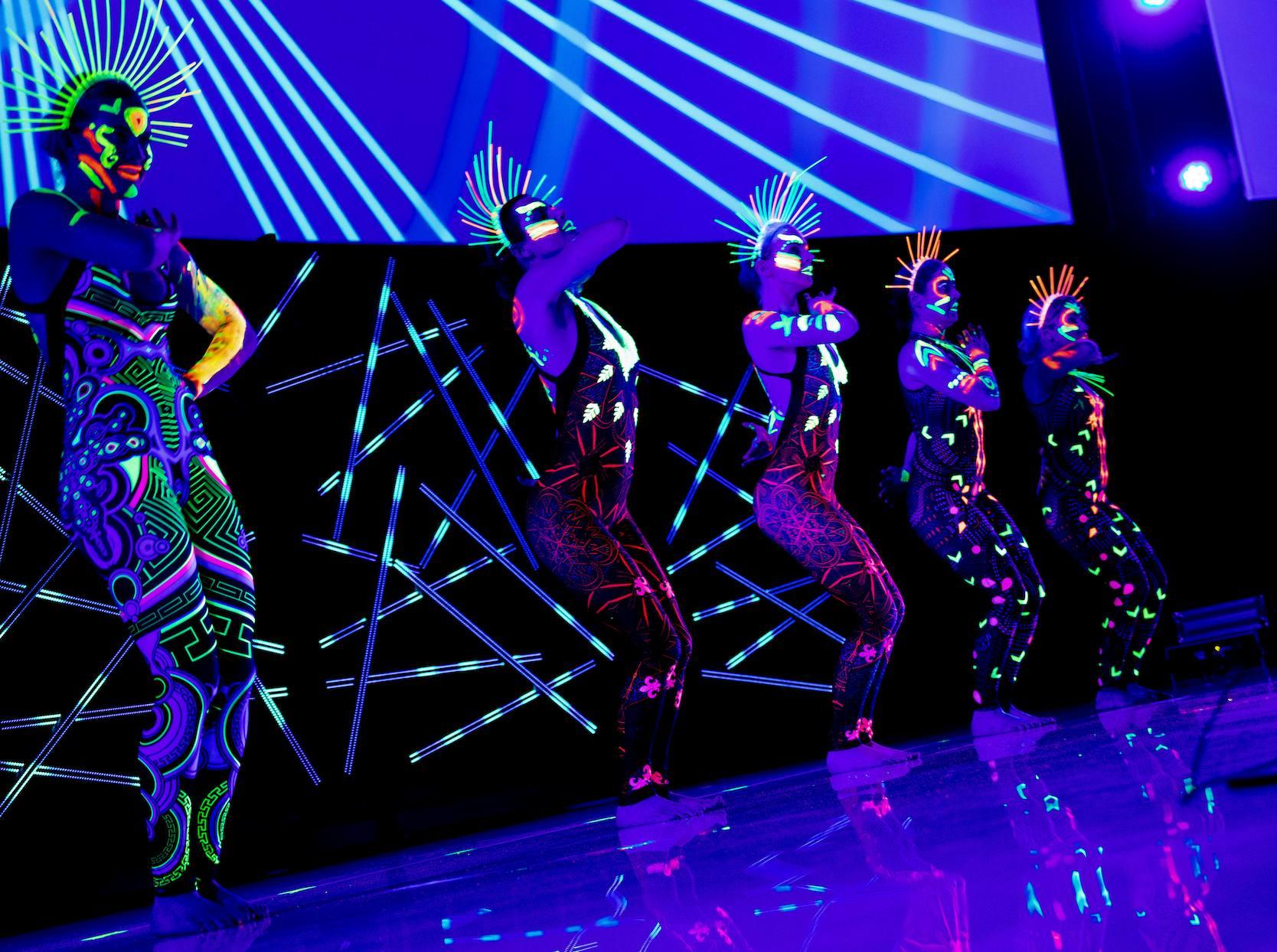
A dance performance gives you a visual alternative, particularly when you’re considering an opening built around music, lighting and screen content.
For example, our Fascination show combines dancers in UV-reactive costumes and make-up with a coordinated light show and pre-written digital content. We created it specifically for corporate events.
Choose a performance with a clear relationship to the conference’s tone. A bold, theatrical opener and an understated contemporary piece make very different introductions.
Ask what floor space the dancers need with the lectern, furniture and screens in place. Check the usable stage area, rather than relying on the space needed for a single presenter.
Plan cultural protocols separately from entertainment. A Welcome to Country is delivered by Traditional Owners or Aboriginal and Torres Strait Islander people authorised by them. Arrange it with the appropriate local representatives at the beginning of the event, following Reconciliation Australia’s guidance.
Conference Break and Networking Entertainment
During breaks and networking, give delegates a choice about joining in. These ideas don’t need the whole room to stop, and neither should take away everyone’s opportunity for downtime.
4. Close-Up Magic During Breaks or Networking
Imagine a magician offering a short routine to a group around a cocktail table. Guests watch something happen right in front of them, then return to their conversation when the performer moves on.
That’s the format to discuss, rather than a stage show squeezed into a coffee break. Ask how the performer will approach groups and finish each interaction before sessions resume.
Agree whether everyone needs to see the act. A series of small-group encounters is different from delivering the same performance to every delegate.
Leave room for uninterrupted conversations and keep a separate quiet area away from the entertainment. Some delegates will simply want their coffee and a breather.
5. Costumed Roving Performers at the Welcome Reception
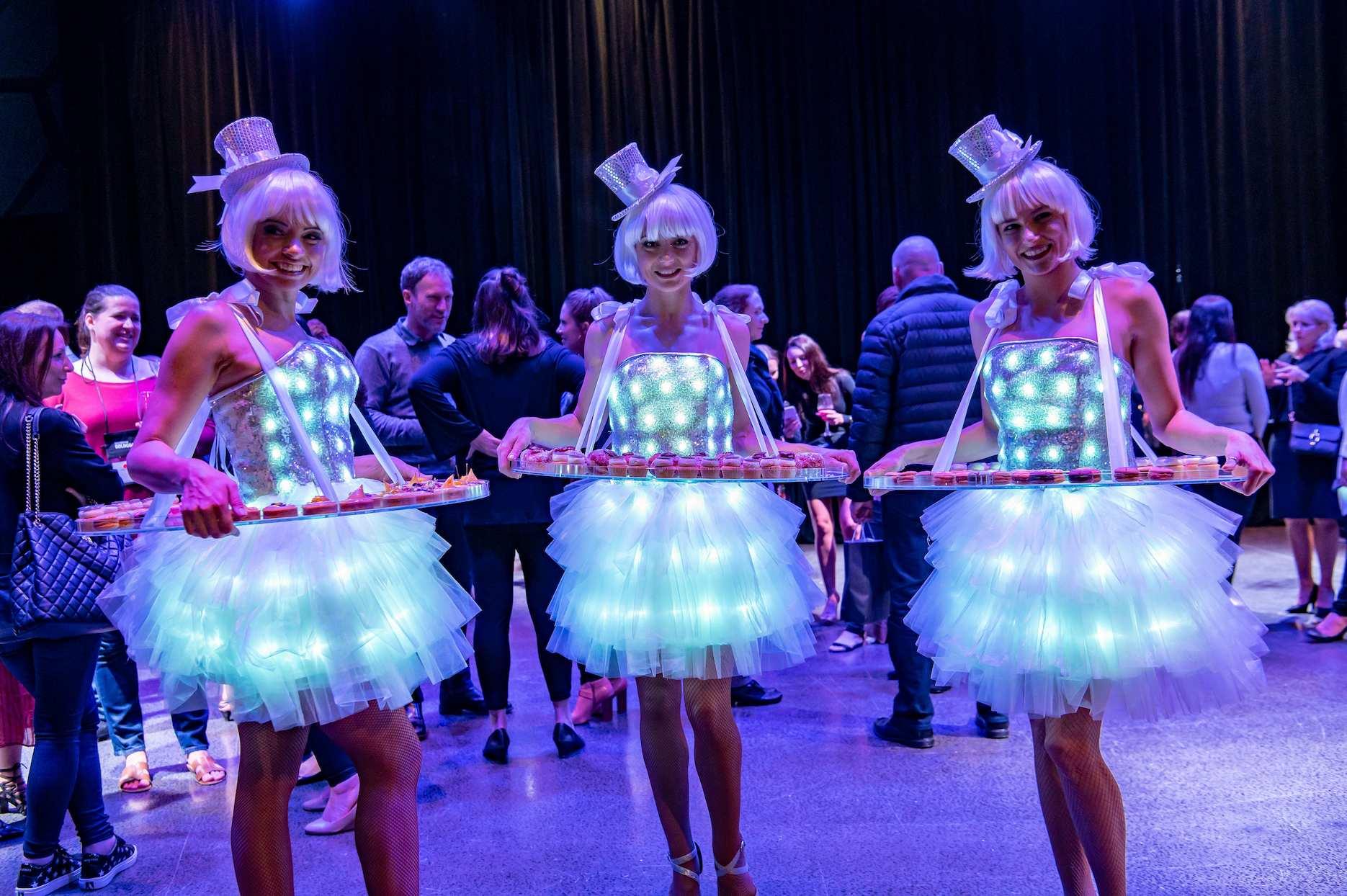
For a more visual welcome, consider costumed characters moving through the reception rather than performing from a fixed stage. Guests can stop for a photograph or enjoy the spectacle as they pass.
Our roving entertainment includes Golden Mirrored Butterflies, whose reflective costumes offer one direction for a themed reception.
Choose the costume style for the occasion, whether elegant, playful or theatrical. For conference networking, we’d keep the interaction light enough that delegates can continue meeting one another.
Check the space the costume needs, not just the performer. Entrances, ceiling height and busy catering areas all deserve a look before approving the format.
For introductions and the wider structure of the function, explore our networking event ideas.
Entertainment for the Formal Conference Closing
Closing the business programme is different from hosting a farewell party. Decide whether you want a final shared performance or an invitation to continue socialising elsewhere.
6. A Vocal Finale for the Conference Closing
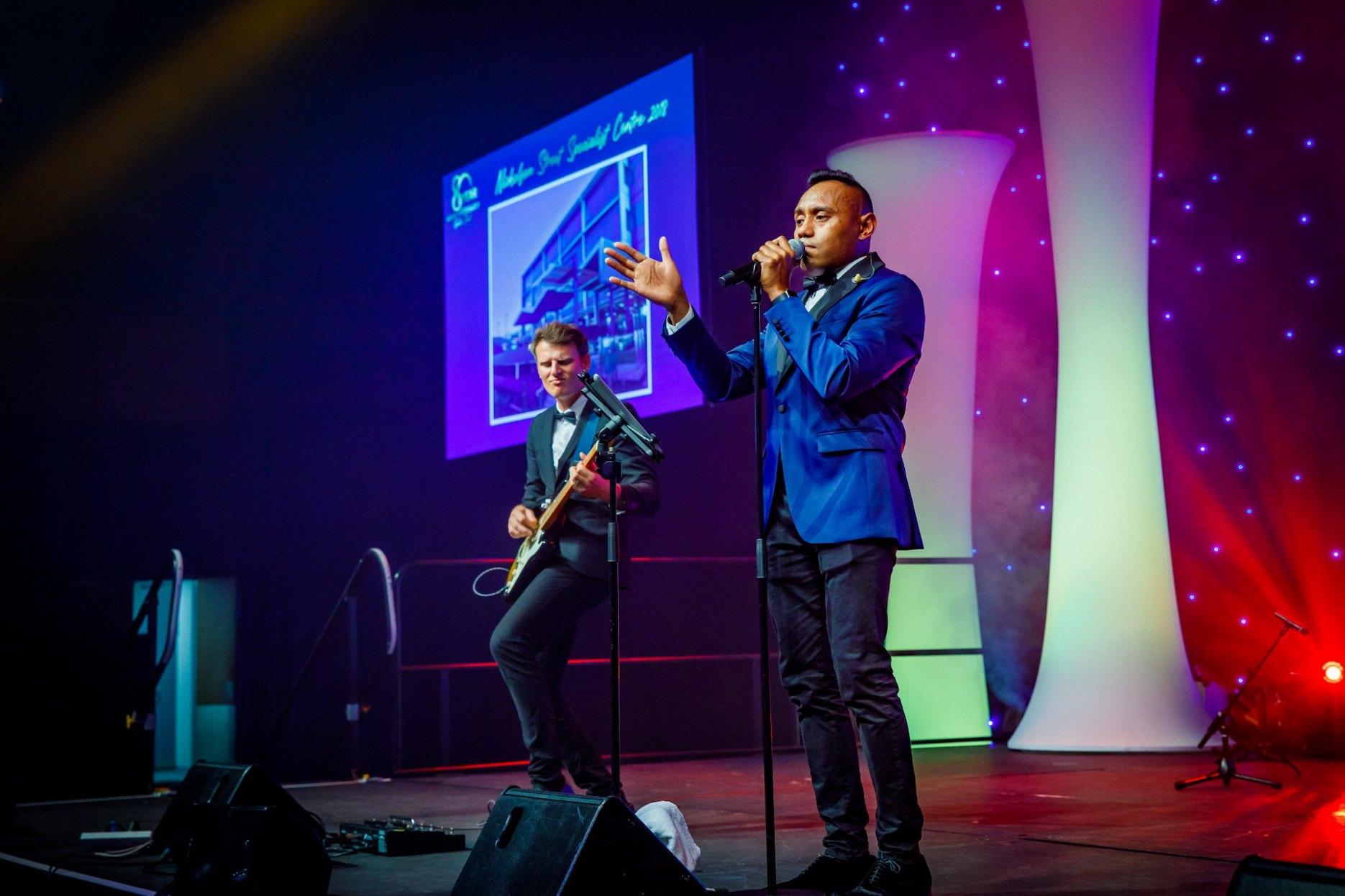
A featured vocalist or vocal ensemble could perform an agreed song after the closing remarks, giving delegates one final moment to watch together.
Choose the song as carefully as the singer. Would you prefer a reflective finish or a more celebratory farewell? Check the lyrics as well as the chorus before connecting a song to the conference message.
This is a listening performance, not another background-music set. Give it a proper introduction and a clear place in the published programme.
Finish within the advertised conference time. Delegates with airport transfers shouldn’t discover there’s another performance after they’ve been told proceedings are over.
Conference Dinner and Evening Entertainment
Once the formal sessions finish, the entertainment brief can change. Choose between a shared show, table-based interaction and dancing, rather than assuming every dinner needs all three.
A conversation-led dinner is also a valid choice. The acoustic approach in idea one can be adapted to a background-music brief, without adding a feature show.
7. A Comedian After the Conference Dinner
For delegates who’d enjoy a seated show after a day of presentations, one of our comedians can give the evening a clear change of pace once the formal programme is finished.
We can help you choose a comedian whose style suits the room, taking into account the industry, whether guests are colleagues or clients, and any topics or language you’d prefer to avoid. The right fit matters more than simply choosing the most familiar name.
When we’re recommending comedy for a corporate audience, we look at how the performer works in that setting, not just how they come across in a comedy-club clip.
Schedule the set when guests can properly listen. Plates being cleared, a busy bar or overlapping announcements can easily compete with a performance where every word matters.
8. Hosted Music Games at the Conference Dinner
A professionally hosted music quiz or song-introduction challenge is an option for a dinner where guests would enjoy joining in from their tables.
Picture teams recognising a few opening notes, discussing an answer and handing it to the host. It needn’t turn into karaoke or involve pulling reluctant guests onto the stage.
Keep the format easy to understand and the participation voluntary. Agree the number of rounds, how answers are collected and how the activity fits around service.
Plan accessible ways to take part too. A game based entirely on hearing a track or reading a distant screen may need adapting for your delegates.
9. A DJ With Live Saxophone After Dinner
For recorded tracks with a live performance element, consider a DJ and saxophone combination. Our DJs for hire include formats such as DJ Mr Smith & Sax.
Talk through the musical direction and how the saxophone features in the evening. Agree which sections involve live playing, rather than assuming the musician performs throughout the whole DJ booking.
This is worth exploring when you’d like a live element without choosing a full band. A DJ on their own remains an option when that better suits the brief.
Confirm the actual line-up and production requirements. A DJ-and-sax booking is not automatically the same package as a solo DJ.
For the wider formal-dinner programme, read our gala dinner guide.
10. A Live Band for the Post-Dinner Celebration
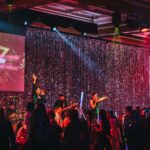
When dancing is part of the invitation, a live band gives you musicians and vocalists to build that part of the evening around. Our live bands cover different line-ups and musical styles.
Describe what you’d like to hear, from soul and funk to singalongs or contemporary pop. Specific preferences are more useful than asking for “something for everyone”.
We’d also check how the dinner room becomes the performance space. Can the band set up before guests arrive, and where will people dance without blocking service or exits?
Consider the next morning before agreeing the finish. A final-night celebration and a dinner before an early conference session need different plans.
What About Entertainment Between Conference Sessions?
Between sessions, you may only need an agreed walk-on track or a prepared exchange with the MC. A short musical interlude can sit between larger content blocks, provided its setup and exit fit the gap.
Don’t turn every handover into another programme item, or assume an entertainer will fill unexpected delays without agreement. Our guide to event timing strategies covers the wider pacing decisions.
How to Choose Conference Entertainment for Your Delegates
The act you love personally may not be the right choice for the room. Tell us who is attending and what kind of experience you’d like them to have.
Match the Tone and Participation Level
An internal company conference and an association event with competing businesses need different briefs. Explain how well delegates know one another, the level of formality and any cultural considerations.
Be specific about participation. Answering a question from a seat, joining a small-group routine and volunteering on stage are three different requests.
For music, share preferences rather than relying on age brackets. For comedy, discuss language and subject boundaries before booking.
Make the Entertainment Accessible
Being able to opt out is not the same as being able to join in. Invite delegates to share access requirements early, then discuss suitable adjustments with the performer and venue.
Review activities involving standing, movement, screens or personal devices. Include any required captioning, hearing assistance or Auslan interpretation in the entertainment arrangements, not only the speaking sessions.
The Australian Human Rights Commission’s accessible event guidance can help you work through these decisions.
Do You Need an MC, Keynote Speaker or Entertainer?
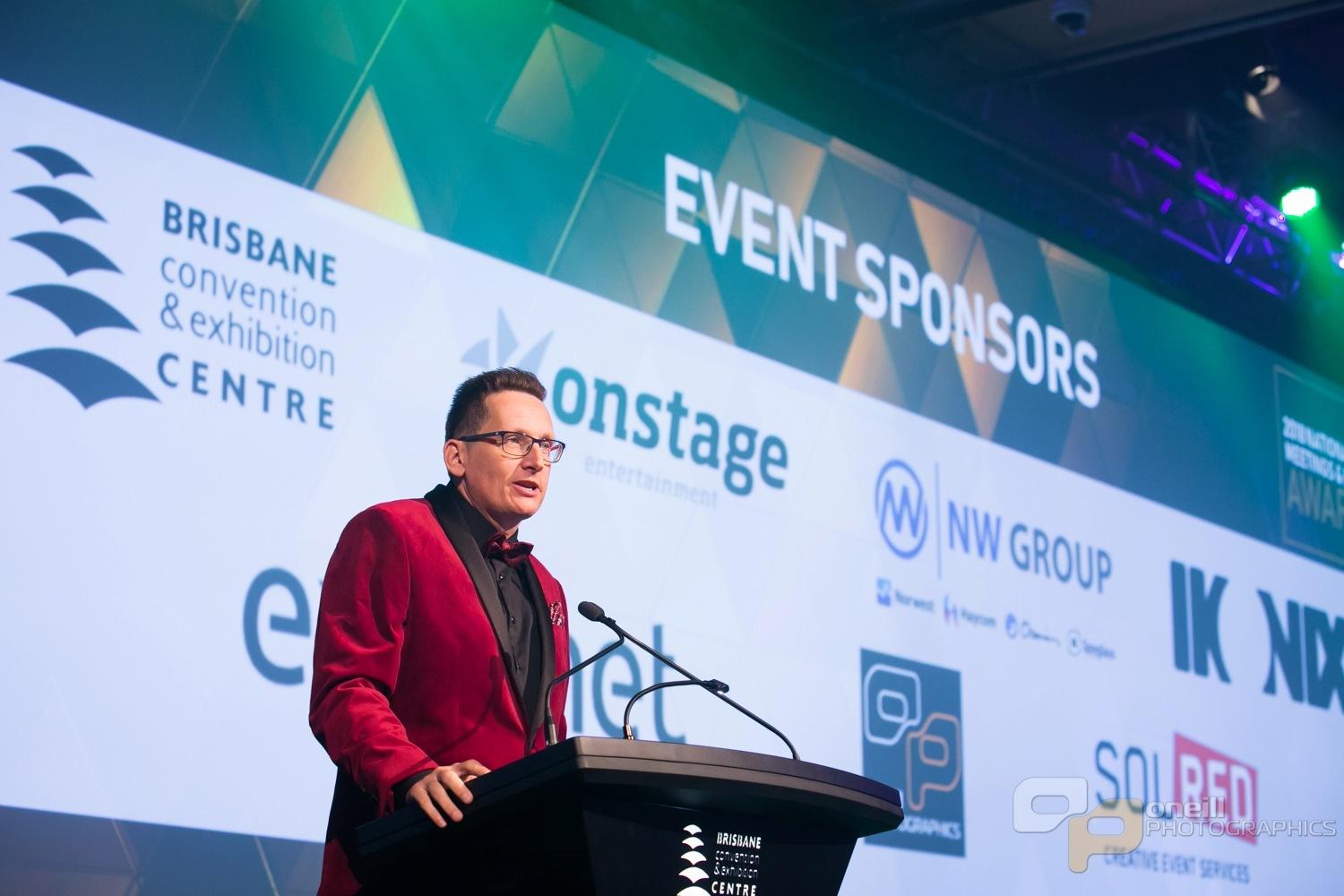
A conference may need one of these roles, or a combination of all three. At Onstage, we work with professional MCs, keynote speakers and entertainers, so we can help you choose the right people for each part of the programme.
An MC keeps the conference moving, introduces speakers, manages transitions and helps maintain the right tone throughout the day.
A keynote speaker brings substantive ideas, expertise or perspective to the programme. We work with keynote speakers across a range of topics and can help you identify someone who suits your audience and conference objectives.
An entertainer has a different job. They might open the conference, perform after dinner or create a change of pace between formal programme elements.
Some performers can cover more than one role, but it’s worth defining those responsibilities clearly. A comedian booked for an after-dinner set, for example, isn’t automatically booked to MC the evening as well.
If you’re still deciding what the programme needs, talk to us about the conference as a whole. We can help you consider the mix of MCs, speakers and entertainment rather than treating each booking as a separate decision.
For more detailed advice, see our guides to choosing an event MC and booking a guest speaker.
Ask Us About Production Before You Confirm an Act
You don’t need to work through the production requirements on your own. At Onstage, we work across entertainment, event planning, stage management and venue programming, so we can help you look at how an act will fit into the wider conference before everything is locked in.
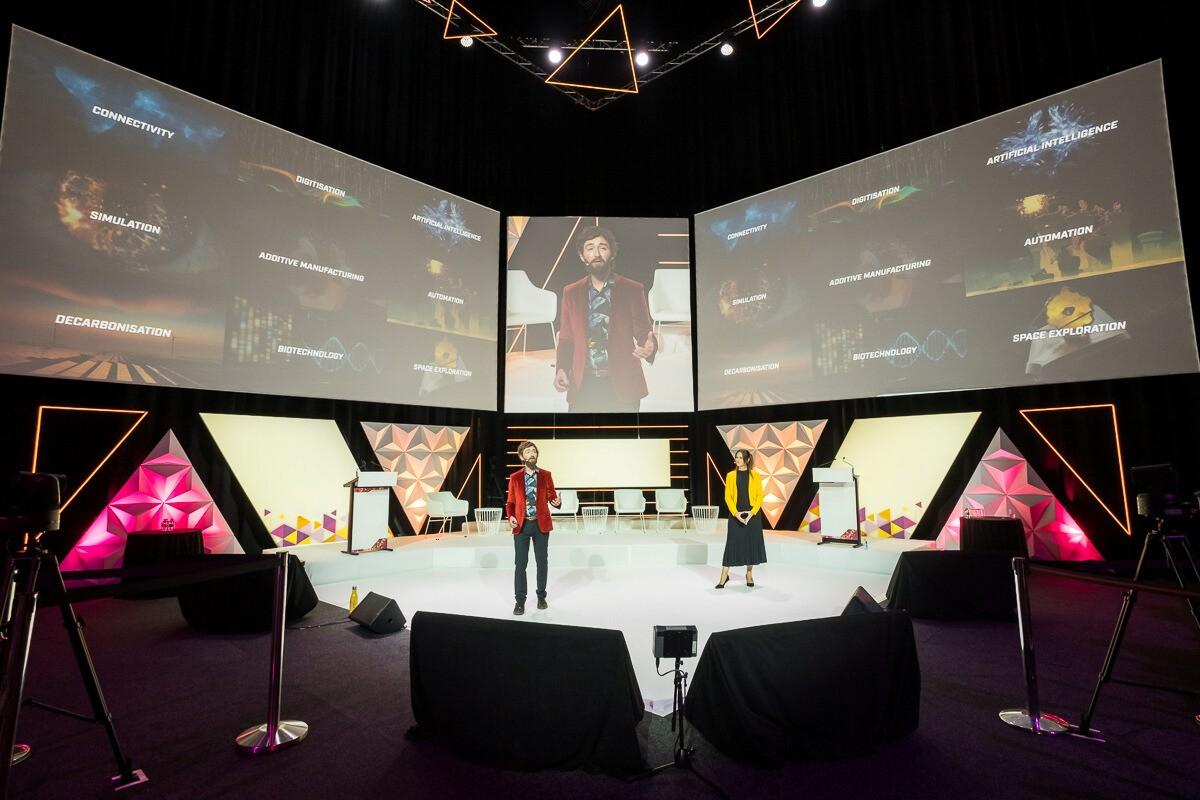
A lectern microphone and presentation screen aren’t necessarily enough for live entertainment. We can help you review the performer’s technical rider against the audiovisual (AV) equipment, stage space, lighting and crew already available. Our guide to entertainment riders explains what these requirements can include.
We Can Help Coordinate the Performance Requirements
Depending on the act and the scope of your event, we can help you work through requirements such as:
- Sound: Microphones, instrument connections, performer monitoring and sound coverage across the room.
- Stage and Lighting: Usable performance space, furniture, lighting and clear sightlines, including any accessibility requirements.
- Screens and Playback: Music, video, screen content, cue points and who is responsible for operating them.
The earlier we’re involved, the easier it is to identify anything that needs to be arranged with the venue, production team or performer.
Plan Rehearsals and Changeovers Into the Programme
Entertainment needs time around the performance itself. That might include equipment access, setup, rehearsal, soundcheck or clearing the stage before the next session.
We can help coordinate those details with the wider programme and make sure the relevant calls, introductions and cues are reflected in the event run sheet.
For more involved programmes, our stage management services can also help coordinate performers, presenters and production teams on the day.
Check the Venue Requirements Early
We can also help you identify the questions that need to be raised with the venue, including supplier arrangements, equipment access, sound restrictions and any relevant approvals or insurance requirements.
What to Send Us When Planning Your Conference Entertainment
You don’t need to have the entertainment, timings or production completely worked out before speaking with us. Send us what you already know and we can help shape the entertainment around your conference programme, audience and venue.
Start with the essentials: Tell us your conference dates, venue and location, along with the expected number of delegates. If you’re planning separate functions, such as a welcome reception or conference dinner, include the expected numbers for those too.
Tell us about your audience: Let us know who’ll be attending, their roles, how well they know one another and the level of formality you’re aiming for. We’ll also want to understand the purpose of the conference and what you’d like the entertainment to add.
Share any ideas you already have: You might know you want an opening performance, entertainment during networking or a band after dinner. Or you might simply know that a particular part of the programme needs something. You don’t need to choose the act first. We can recommend options from the entertainers we work with based on the brief.
Give us a working budget: An approximate entertainment budget helps us recommend realistic options and identify any additional considerations such as travel, equipment or production.
Bring us into the production conversation: If you already have AV, a production team or a venue contact, send us those details. If you need broader support, we can also discuss event planning, stage management, venue programming and entertainment coordination as part of the wider event.
Tell us what still needs solving: Flag accessibility requirements, filming or livestreaming plans, branding requests and anything else that may affect the performance. If some details are still undecided, that’s completely fine. We can help you work through them as the conference takes shape.
Common Conference Entertainment Booking Mistakes
The best entertainment can still feel out of place if it’s booked without enough thought about the programme around it. These are the details we’d encourage you to settle early.
- Booking the Act Before Deciding Where It Fits: A great performer isn’t automatically right for every part of the conference. Decide whether you need an opening, networking entertainment, an after-dinner feature or something else before choosing the act.
- Assuming the Showreel Is the Exact Performance: Confirm which performers, line-up and format are included in your quote. Promotional footage may show a larger ensemble, different staging or another version of the act.
- Looking Only at Performance Time: A 20-minute performance may require considerably more time on site for access, setup, soundcheck and pack-down. Check the full booking window, especially when the room is also being used for conference sessions.
- Assuming the Conference AV Will Cover Everything: The microphones and screens already in the room may not meet the entertainer’s requirements. We can help review the technical rider and work through what needs to be coordinated with the venue or production team.
- Forgetting What Happens Around the Performance: Think about introductions, meal service, stage changeovers and music between sets. These smaller details often determine whether the entertainment feels properly integrated into the event.
Find the Right Entertainment for Your Conference
The best conference entertainment ideas are the ones that suit your audience, the moment in the programme and the experience you want to create. You might need one standout opening act, entertainment during networking, a band after dinner or a combination across several functions.
At Onstage, we can help you explore event entertainment, choose a professional MC or find a keynote speaker who fits your conference and audience. We can also support the wider programme through planning, programming and stage management where required.
You don’t need to have every detail worked out before getting in touch. Send us your date, venue, expected delegate numbers and draft programme, along with any ideas or budget you already have. Contact Onstage Entertainment and we’ll help you work through the options that best suit your conference.
Conference Entertainment FAQs
How Much Does Conference Entertainment Cost?
The cost depends on the act, number of performers, booking window and production requirements. Request an itemised quote and check whether travel, accommodation, equipment and custom work are included. Compare the full cost of delivering the performance, not just the headline fee.
How Long Should Conference Entertainment Run?
Give the provider the full available window and agree what can fit, including introductions, audience interaction and exits. Ask whether an agreed shorter version is possible if the conference runs late. Don’t assume a finished show can be cut at any point.
Can One Act Cover More Than One Conference Function?
Potentially, but each appearance needs its own brief. Ask whether the same musicians can cover arrivals and an evening function, then confirm repertoire, timing and equipment movement. Include both appearances in the quote rather than assuming the later performance is covered.
Can Conference Entertainment Be Customised to Our Theme?
Some acts can adapt costumes, choreography or other elements. Discuss what’s possible before booking, including preparation time, approval deadlines and any additional fees. The extent of customisation depends on the chosen act, so it shouldn’t be treated as a standard inclusion.