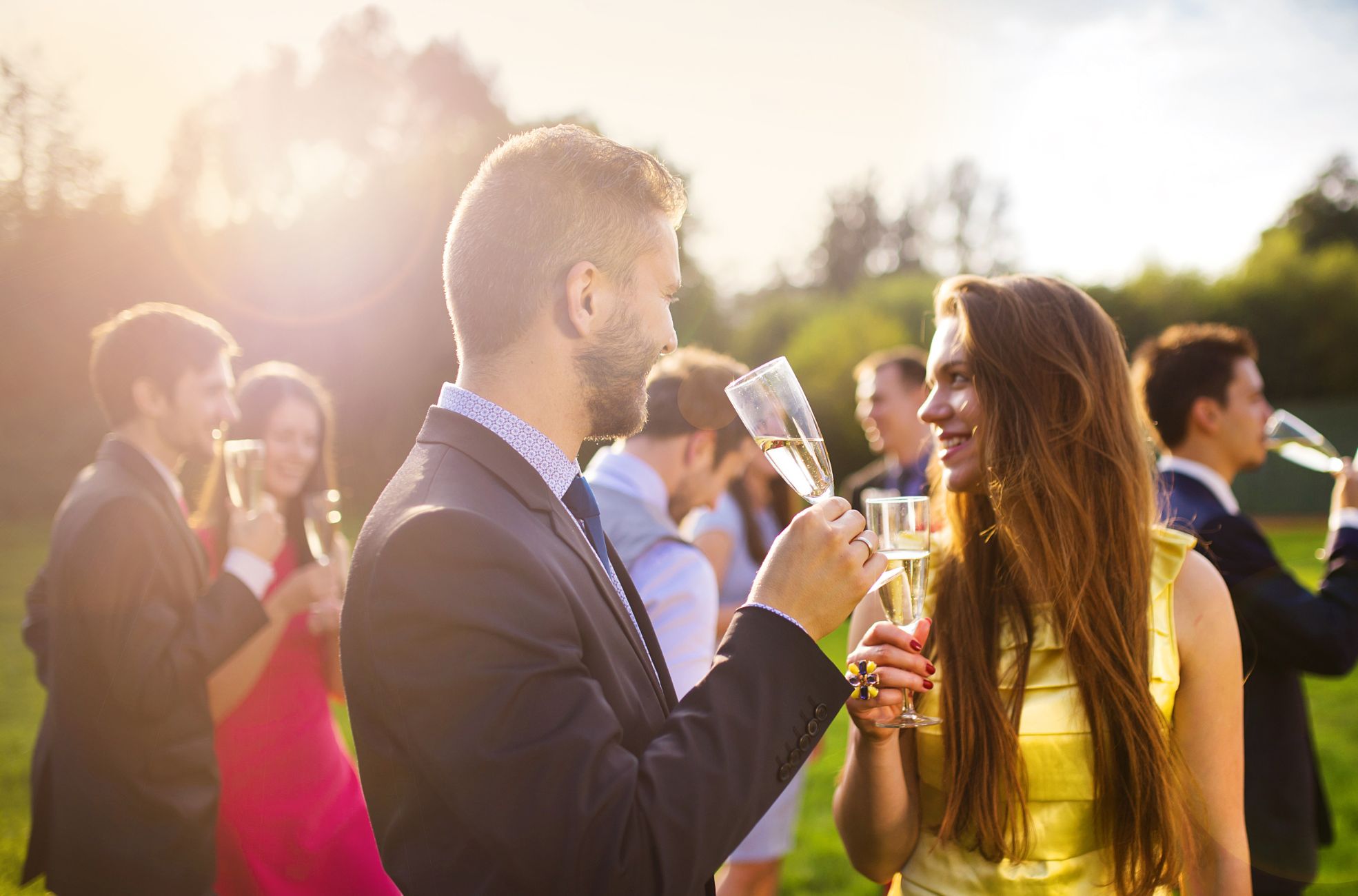
Not every event needs a dance floor to feel alive. In fact, many of today’s most successful events focus on event energy rather than traditional dancing. Corporate functions, awards nights, networking events, milestone celebrations and cocktail-style gatherings often require energy that feels social, engaging and dynamic — without pushing guests into something that feels forced or out of place.
The challenge for hosts is recognising when an event feels flat and knowing how to lift energy in a way that suits the audience, the setting and the purpose of the occasion. Energy does not have to mean volume, chaos or constant movement. When done well, it feels natural, effortless and inclusive.
Our guide explores how to introduce momentum, engagement and atmosphere into events that need energy — without a dance floor.
Understand What “Energy” Really Means
Energy is often misunderstood as loud music or physical movement. In reality, energy is about engagement. It is the sense that something is happening, that guests are involved, and that the event is progressing rather than stalling.
High-energy events can be calm, conversational and relaxed. Low-energy events can be loud and busy but disconnected. The goal is not intensity for its own sake, but momentum. You need to know how to read a crowd.
Before changing anything, ask:
- Are guests talking easily with one another?
- Are there awkward pauses or long lulls?
- Does the event feel stuck in one gear?
- Are guests staying longer or leaving early?
These signals help identify what kind of energy is needed.
Use Music to Shape Momentum, Not Dominate
Music is one of the most effective tools for lifting energy without dancing. The key is how it is used.
Rather than jumping straight to upbeat tracks, build momentum gradually:
- Start with mid-tempo, rhythmic music that supports conversation
- Increase tempo subtly as the event progresses
- Shift genre or instrumentation to mark transitions
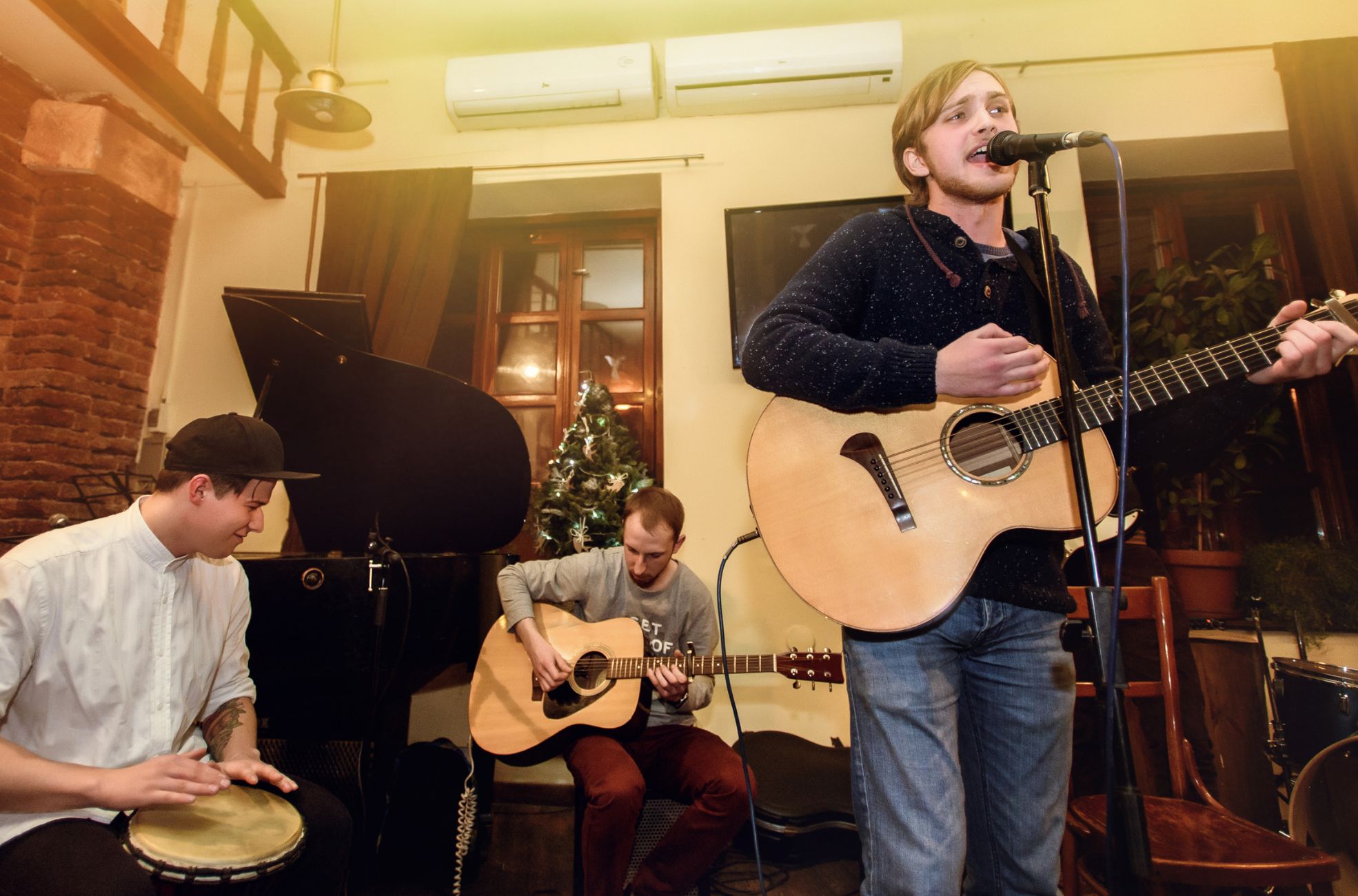
Live acoustic musicians, jazz trios or instrumental performers work particularly well in these settings. They provide movement and atmosphere without demanding attention.
Soundscaping — the intentional use of background music — helps guide mood without overwhelming the room.
Introduce Live Performance Without a Stage Show
Energy often increases when guests sense something happening nearby, even if they are not the focus.
Roving or semi-static performers can:
- Move through the space
- Create moments of surprise
- Encourage conversation between guests
Examples include:
- Magicians performing small-group illusions
- Musicians moving between zones or performing table-side entertainment
- Performers interacting briefly before moving on
This type of entertainment feels organic rather than scheduled and suits cocktail-style events perfectly.
Activate the Room With a Strong MC or Host
A confident host can lift energy dramatically without raising volume or introducing dancing. The role of an MC in these settings is not to entertain constantly, but to shape flow.
A skilled MC:
- Introduces moments smoothly
- Acknowledges the room’s energy
- Keeps transitions and the run sheet moving
- Prevents awkward silences
Short, well-timed remarks help guests stay oriented and engaged without interrupting conversation.
Use Short, High-Impact Moments
Long performances are not always the answer. Often, energy spikes come from brief, intentional moments that reset attention.
Examples include:
- A short live band feature
- A surprise performance between courses
- A quick audience-led moment
- A brief interactive segment
These moments act as punctuation marks in the event, lifting attention before allowing guests to return to socialising.
Design Zones That Encourage Movement
Energy increases when guests move naturally rather than being anchored to one spot.
Creating zones helps:
- Prevent stagnation
- Encourage exploration
- Spark new conversations
Zones might include:
- A lounge area
- A performance corner
- A food or drink activation
- An interactive experience
Music, lighting and layout can subtly guide guests between spaces without announcements.
Use Lighting to Change the Feel of the Room
Lighting is one of the most underused tools for energy management. A simple lighting shift can dramatically change how a space feels.
Ways lighting can lift energy include:
- Gradually warming tones as the event progresses
- Highlighting feature areas
- Creating contrast between zones
As daylight fades or the event moves into a new phase, lighting cues signal change and momentum without words.
Encourage Interaction Without Pressure
Forced participation often backfires. The most effective energy lifts invite involvement without obligation.
Good interaction feels optional and light:
- Casual moments of engagement
- Small-group activities
- Gentle prompts rather than instructions
For a good guest journey, guests should feel welcomed into interaction, not singled out.
Use Food and Drink as Energy Tools
Energy often dips when guests are hungry, waiting or unsure what happens next.
Food and drink can re-energise a room when used strategically:
- Staggered service rather than one large rush
- Interactive food elements, such as a sensory food experience
- Drinks that arrive at natural transition points
- a whismy pop-up bar with self-service for guest interactions
Movement around food and drink stations also encourages mingling and resets social energy.
Bring the Entertainment to the Guests
When guests are seated or standing in clusters, asking them to move to a focal point can stall momentum. Bringing entertainment to them keeps energy flowing.
Roving performers, pop-up moments and distributed sound work particularly well in large or open spaces to create an intimate event.
This approach avoids the “now everyone watch this” feeling that can drain energy if guests are not ready for it.
Use Timing to Your Advantage
Energy often drops when events run too long in one mode. Awareness of timing is critical.
Signs it’s time to shift:
- Conversations slow
- Guests check phones
- People begin to drift away
Introducing a new element — music change, short performance, host announcement — re-engages attention without restarting the event.
Adjust Volume, Not Just Tempo
Energy does not always require louder sound. In some cases, slightly lowering volume improves engagement by encouraging conversation and movement.
Subtle adjustments keep the room comfortable while maintaining momentum.
Consider Visual Stimulation
Visual interest can lift energy without sound.
Options include:
- Live art or calligraphy
- Projection elements
- Performance-based visuals
- Lighting features
These give guests something to engage with while continuing conversations.
Read the Audience, Not the Schedule
Rigid schedules often ignore how guests are feeling. The most successful energy shifts respond to the room.
If guests are deeply engaged in conversation, allow that moment to breathe. If attention is drifting, intervene gently.
Flexibility is one of the strongest energy tools available.
Avoid Common Energy Killers
Certain elements consistently drain energy:
- Long gaps with no cues
- Overly loud background music
- Extended speeches without breaks
- Forcing transitions too quickly
Identifying and removing these issues often restores momentum without adding anything new.
Energy Without Dancing Works Best When It’s Intentional
Events that avoid dance floors succeed when energy is planned rather than assumed. The aim is not to replace dancing, but to create a different kind of engagement.
Music, lighting, performance, hosting and layout work together to support connection and flow.
Different Event Types, Same Principles
Whether planning:
- A corporate function
- An awards night
- A networking event
- A milestone celebration
- A cocktail-style wedding
The principles remain consistent. Energy comes from intention, not volume.
Redefining Event Energy
Energy without a dance floor is not a compromise. In many cases, it is a better fit for the audience and the occasion.
When events feel social, dynamic and well-paced, guests stay longer, connect more deeply and leave with positive impressions. Loudness is replaced with momentum. Movement replaces obligation.
For hosts seeking to lift energy through music, hosting, performance and thoughtful experience design — without relying on a traditional dance floor — Onstage can help curate entertainment and event flow that feels natural, engaging and perfectly suited to your audience. Reach out to us today for more information for planning your next event.