
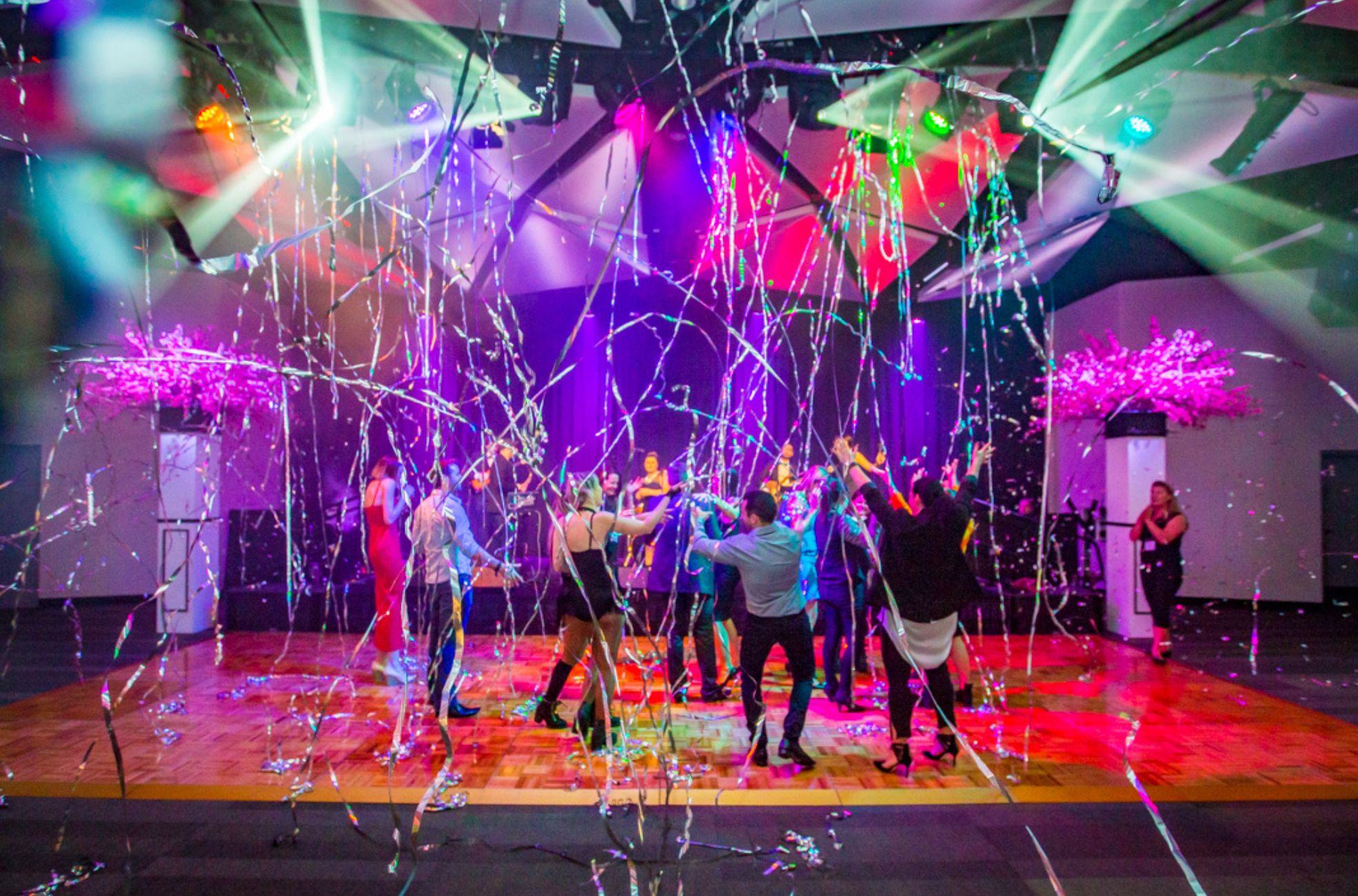
Planning an event usually starts with a spark of excitement. Then the practical questions arrive. Where will it be held? Who’s coming? What’s the budget? Do you need entertainment, AV, staging, permits, suppliers, a run sheet, wet-weather plans, or someone to keep the whole thing moving on the day?
So, how do you plan an event properly?
Start with the purpose of the event, then work through your audience, budget, date, venue, entertainment, suppliers, run sheet, safety planning and post-event review. The earlier you make the big decisions, the easier it is to avoid messy last-minute fixes.
Whether you’re organising a corporate function, awards night, gala dinner, product launch, community event or private celebration, a good event needs more than a nice room and a catering package. It needs a clear plan, the right people involved and someone watching the details guests never see.
At Onstage Entertainment, we’ve spent more than 40 years helping clients plan entertainment, speakers, MCs, staging and event support across Brisbane and beyond. Here’s how to approach your event with more structure and less guesswork.
How to Plan an Event Without Missing the Important Details
To plan an event well, work through the major decisions in the right order. Don’t book a venue before you know your guest numbers. Don’t choose entertainment before you understand the mood you want in the room. And don’t leave the run sheet until the week of the event.
This guide walks through the process step by step, from setting the purpose and budget through to choosing a venue, booking entertainment, managing suppliers, building your run sheet and reviewing the event afterwards.
For a task-by-task version, use our event planning checklist alongside this guide.
1. Define the Purpose of Your Event
Before you look at venues, catering or entertainment, get clear on why the event is happening.
Is it a thank-you event for staff? A product launch? A fundraiser? A gala dinner? A networking night? A brand activation? A private celebration with a big dance floor at the end?
The purpose changes the whole shape of the event.
A product launch needs timing, energy and a strong reveal moment. A gala dinner needs pacing, atmosphere and a smooth shift between formalities and entertainment. An awards night needs a confident MC, clean AV and a run sheet that doesn’t let speeches drag on.
Try to move beyond vague goals.
Instead of ‘we want everyone to have a good night’, aim to make it more useful with something like ‘we want 250 clients and partners to feel welcomed, understand the new brand direction and leave with a stronger connection to our team’.
A clear event purpose helps you decide:
- Who needs to be there
- What the budget should prioritise
- What kind of venue makes sense
- What entertainment will suit the room
- How formal or relaxed the event should feel
- What success looks like afterwards
Once the purpose is clear, the rest of the decisions become much easier.
2. Know Who You’re Planning For
Good events feel considered. Guests arrive, find their way around, understand the mood of the room and feel like the event has been built with them in mind.
That doesn’t happen by accident. You need to think about who’s coming and what will make the event comfortable, engaging and easy for them to enjoy.
A room of senior executives will usually need a different tone to a family-friendly community event. A black-tie gala needs a different entertainment plan to a relaxed staff Christmas party. A launch for media and clients needs sharper timing than a casual private celebration.
Consider:
- Age range and interests
- Accessibility needs
- Dietary requirements
- Parking and transport
- Whether guests already know each other
- How formal the event should be
- Whether the room needs ice-breaker entertainment
- How much downtime guests will expect
- Whether the event needs a strong host or MC
This is also where entertainment planning should begin.
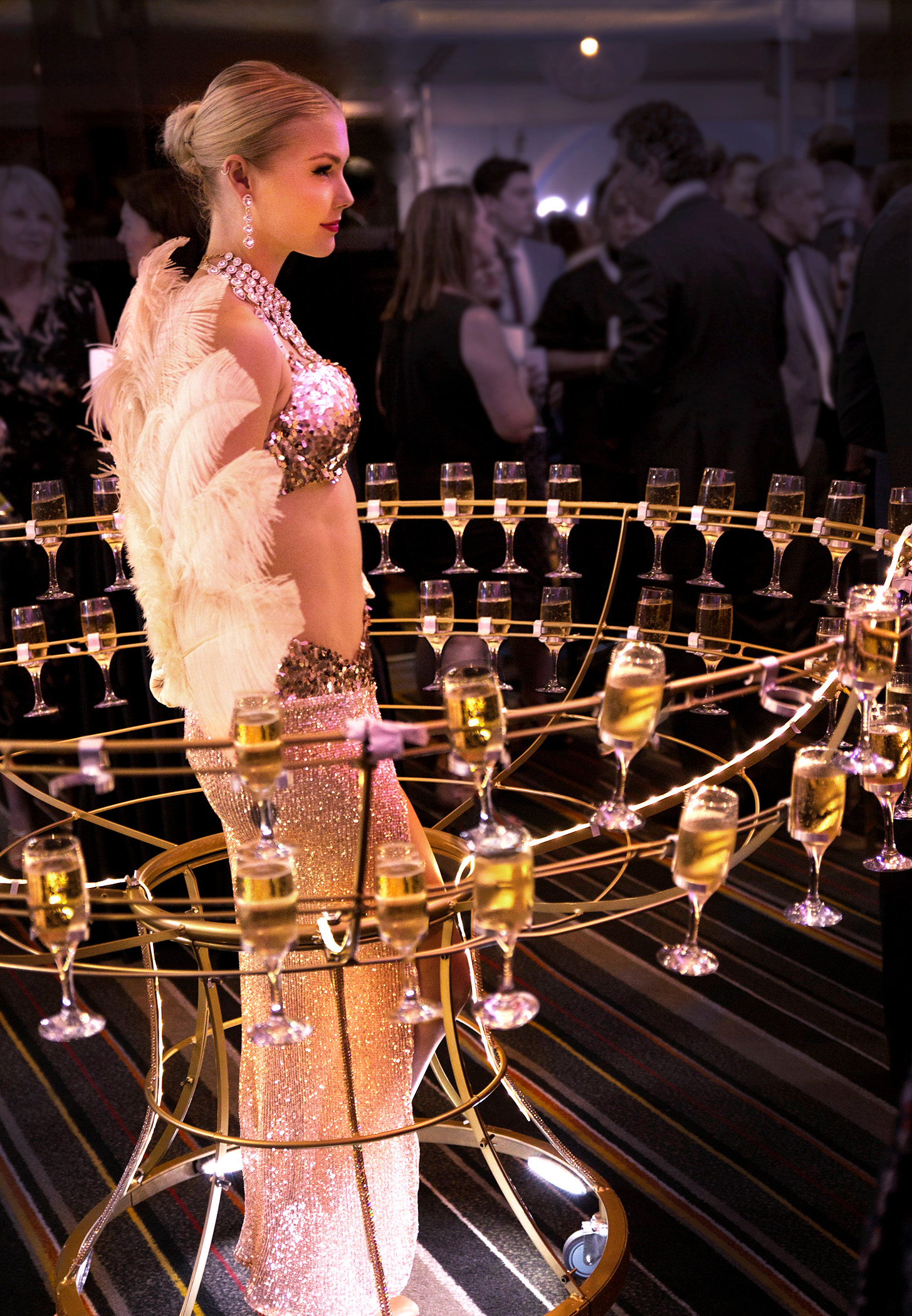
A roving performer can work beautifully during arrival drinks because it gives guests something to talk about. A live band might be perfect once formalities are finished. A corporate speaker can give the event substance, while a strong MC can keep the whole night moving.
For ideas, explore Onstage’s event entertainment options or speak with the team about Guest Speakers & MCs.
3. Set a Realistic Event Budget
A budget is not just a number. It’s a way to decide what matters most.
One of the most common planning mistakes is spending heavily on the venue, then leaving too little for the parts that shape the feel of the event, such as entertainment, lighting, sound, staging and guest flow.
Start with your total budget, then break it into categories.
| Budget Item | What to Allow For |
|---|---|
| Venue | Hire fee, minimum spend, cleaning, security, overtime |
| Food and beverage | Catering style, drinks package, dietary needs, service staff |
| Entertainment | Band, DJ, MC, speaker, roving act, feature performance |
| AV and staging | Microphones, speakers, lighting, screens, lectern, stage, technicians |
| Styling | Florals, theming, signage, furniture, table styling |
| Marketing | Invitations, event page, printing, social media, photography |
| Staffing | Registration, ushers, event manager, security, volunteers |
| Risk and compliance | Insurance, first aid, permits, traffic management if required |
| Contingency | Wet weather, overtime, extra equipment, supplier changes |
Leave room for contingency. Even a well-planned event can throw up extra costs, especially if the weather changes, the guest list grows or the venue needs more AV than expected.
Your budget should also match the purpose of the event. If the night is meant to impress clients, thank staff or launch something important, the room needs to feel like that level of care has gone into it.
4. Choose the Right Date and Timeline
The date affects attendance, supplier availability, cost and planning pressure. Before locking anything in, check the obvious clashes. School holidays, public holidays, major Brisbane events, industry conferences and internal company deadlines can all affect guest numbers.
For larger events, give yourself as much lead time as possible. Venues, bands, DJs, MCs, keynote speakers, photographers and AV teams can book out well ahead, especially for Thursdays, Fridays and Saturdays.
As a guide, here are some suggested planning lead times for different types of events:
| Event Type | Suggested Planning Lead Time |
|---|---|
| Small private event | 2 to 3 months |
| Corporate function | 3 to 6 months |
| Gala dinner or awards night | 6 to 12 months |
| Large public or community event | 6 to 12 months or more |
| Major brand launch or multi-supplier event | 6 months or more |
These timeframes are not hard rules, but they do make life easier. The earlier you lock in the main pieces, the more choice you’ll have.
5. Find a Venue That Suits the Event
Venue choice can make or break the event.
A room might look great in photos, but still cause problems on the day. Poor acoustics, difficult parking, limited power, awkward stage access or strict noise limits can all affect the guest experience and the entertainment.
When comparing venues, look beyond capacity and price.
Check:
- Room layout
- Seated and cocktail capacity
- Parking and transport
- Accessibility
- Stage or performance space
- AV inclusions
- Power availability
- Loading dock or bump-in access
- Green room or holding space for performers
- Noise restrictions
- Curfew and pack-down rules
- Wet-weather options for outdoor spaces
One thing people often miss is performer access.
A solo acoustic musician, DJ, six-piece band, dance troupe, aerial act or feature show all need different space, setup and production requirements. The earlier you understand those requirements, the easier it is to avoid problems with sound, lighting, timing and venue access.
Before you sign the venue agreement, check that the space can support the event you’re picturing.
6. Book Entertainment, Speakers and MCs Early
Entertainment should not be the thing you squeeze in after the venue and catering are sorted.
The right entertainment changes the pace and feel of the event. It can settle guests during arrival, lift the room after formalities, fill awkward gaps, support a theme or give the night a clear finish.
Think about where entertainment belongs in the event flow:
- Arrival drinks
- Networking
- Dinner service
- Awards and formalities
- Product reveals
- Fundraising moments
- Dance floor
- Closing moment
For corporate events, an experienced MC can be just as important as the entertainment. A good MC keeps the room moving, handles introductions, manages timing changes and gives the event a more polished feel.
For private celebrations, the right band, DJ or roving act can shift the night from polite conversation to a proper party.
At Onstage Entertainment, we help clients choose entertainment, speakers, MCs and performers that suit the audience, venue and schedule.
7. Confirm Suppliers, AV and Staging
Once the main pieces are booked, your supplier list needs to be tightened up.
Most events involve several moving parts, including catering, bar service, AV, staging, lighting, photography, signage, styling, security, transport, entertainment and venue staff.
The trap is assuming everyone knows what everyone else is doing.
Your AV team needs to know what the entertainers require. The venue needs supplier arrival times. The MC needs the order of formalities. The photographer needs to know the key moments. The caterer needs to understand when speeches or performances will interrupt service.
Create one supplier contact sheet with:
- Business name
- Contact person
- Mobile number
- Arrival time
- Setup requirements
- Pack-down time
- Payment status
- Event-day notes
If the event includes speeches, entertainment or staged moments, make sure AV and production are not treated as an afterthought. A great performer or speaker can only do their job properly if the sound, lighting and stage setup are right.
For events with more complex technical requirements, Onstage can also help with stage management.

8. Build a Run Sheet That Works on the Night
A run sheet is the document that tells everyone what is happening, when it is happening and who is responsible.
It is not just a schedule. It is the thing that keeps the room, suppliers and formalities moving in the same direction.
A strong run sheet should include:
| Run Sheet Item | What to Include |
|---|---|
| Supplier arrivals | Who arrives when, where they go and who meets them |
| Bump-in | Setup times for AV, staging, entertainment, styling and catering |
| Soundcheck | Time for microphones, music, presentations and performers |
| Guest arrival | Doors open, registration, welcome drinks, background music |
| Formalities | Speeches, awards, presentations, acknowledgements |
| Entertainment cues | Start times, introductions, stage access and technical needs |
| Catering timings | Meal service, drinks, dessert, coffee, late-night snacks |
| Key contacts | Event lead, venue contact, AV contact, entertainment contact |
| Contingency notes | Wet-weather plan, late speaker plan, emergency contacts |
| Bump-out | Pack-down timing and access requirements |
Build in breathing room. Speeches run over. Guests take longer to move than you expect. Meal service can shift by ten minutes. A supplier may need extra setup time.
The run sheet should be detailed enough to guide the team, but not so tight that one delay throws the whole event off.
For a deeper look at timings, cues and supplier coordination, read our guide to creating an event run sheet.
9. Check Permits, Risk, Insurance and Accessibility
This part of event planning is easy to put off, but it matters.
A private function inside an established venue will usually have different requirements to a public outdoor event, festival, market, street activation or large community gathering.
If you’re planning an event in Brisbane, it’s worth checking Brisbane City Council’s event and festival permit guidance early, especially if your event is outdoors, open to the public, serving alcohol, using amplified music or affecting roads, parks or public spaces.
Some events can be handled through a self-assessable permit process, while others need a more detailed assessment. The requirements can depend on things like expected attendance, event times, road closures, alcohol service and outdoor musical performance sound levels.
The Brisbane City Council recommends lodging self-assessable event permit applications at least 30 working days before the event start date, so don’t leave this part until the final planning rush.
You can also use Queensland Government event planning resources and templates for practical documents like event budgets, event management plans, site plans, wet-weather plans, key contact lists, order of proceedings and risk management templates.
Depending on the event, you may need to consider:
- Public liability insurance
- First aid
- Accessibility
- Noise restrictions
- Alcohol service
- Food safety
- Road closures or traffic management
- Crowd management
- Weather plans
- Site plans
- Security
- Emergency access
- Incident reporting
Requirements vary depending on the size, location, risk profile and format of the event. Check official guidance early, then speak with the venue, council or relevant authority before you start promoting a public event.
10. Promote the Event and Keep Guests Informed
Promotion is not just about getting people to RSVP. It also helps guests know what to expect.
For a corporate event, that might mean email invitations, calendar holds, registration forms, reminder emails and speaker announcements. For a public or ticketed event, it could include social media, event listings, paid ads, sponsor promotion and local media.
Make sure guests know the:
- Date and time
- Venue address
- Parking or transport options
- Dress code
- Food and drink details
- Accessibility information
- Ticketing or RSVP instructions
- Arrival time
- Event highlights
- Contact details for questions
If entertainment is part of the appeal, mention it early. A strong performer, speaker or feature act can help people understand the tone of the event before they arrive.
11. Prepare Properly for Event Day
By the week of the event, every supplier should know their arrival time, every key team member should understand their role and every important decision should be written down somewhere sensible.
In the final week, confirm:
- Guest numbers
- Dietary requirements
- Venue access
- Supplier arrival times
- AV requirements
- Entertainment requirements
- MC notes
- Speaker presentations
- Signage
- Seating plan
- Emergency contacts
- Wet-weather plan
- Final run sheet
On the day, nominate one main contact person. This stops suppliers, venue staff, entertainers and internal stakeholders from chasing different people for answers.
Before guests arrive, walk the room. Check the lighting, sound, signage, table settings, stage position, registration flow and any obvious trip hazards. If there’s entertainment, make sure performers know where to go, where to set up and who will cue them.
A calm event day usually comes down to preparation, not luck.
12. Review the Event Afterwards
Once the event is packed down, take time to review what happened while it’s still fresh.
This does not need to be complicated. A short debrief can save you from repeating the same problems next time.
Look at:
- Attendance compared with expected numbers
- Guest feedback
- Stakeholder feedback
- Entertainment response
- Speaker performance
- Budget accuracy
- Supplier performance
- Timing issues
- Venue suitability
- AV or staging issues
- Enquiries, donations, sales or leads, if relevant
If the event will run again, save the final run sheet, budget notes, supplier contacts and feedback.
The small details are often the most useful. Maybe the speeches needed to be shorter. Maybe guests loved the entertainment during arrival drinks. Maybe the venue looked great, but bump-in was painful. Maybe the DJ needed to start earlier.
Those notes are gold for the next event.
When Should You Hire a Professional Event Planner?
You don’t need a professional planner for every event. A small dinner or casual private party might be easy enough to handle yourself.
But once the event has multiple suppliers, formalities, AV, entertainment, VIPs, sponsors, ticketing or public access, extra support can make a real difference.
It may be worth hiring help if:
- You’re short on time
- The guest list is large
- The event has multiple suppliers
- You need entertainment, staging or AV
- There are awards, speeches or formalities
- You need a detailed run sheet
- The event is outdoors or weather-dependent
- You’re unsure about permits or logistics
- The event reflects your business or brand
Onstage Entertainment can help with event planning support, entertainment, speakers, MCs, staging, run sheets, supplier coordination and on-site management for Brisbane events.
If you need a hand pulling the moving parts together, speak with our Brisbane event planner team.
Need Help Planning Your Event?
Learning how to plan an event is really about getting the order right. Start with the purpose, understand your guests, set the budget, choose the right venue, book entertainment early and give your suppliers a run sheet they can use.
When those pieces are in place, the event feels more organised for everyone, including the people working behind the scenes.
If you’re planning a corporate function, awards night, gala dinner, launch or private celebration in Brisbane, Onstage Entertainment can help with entertainment, speakers, MCs, staging and event planning support.
Contact Onstage Entertainment to talk through your next event.
Frequently Asked Questions
What Is the First Step in Planning an Event?
The first step is defining the purpose of the event. Before booking a venue or choosing entertainment, decide why the event is happening, who it is for and what result you want. This helps guide your budget, guest list, venue, format and entertainment.
How Far in Advance Should You Start Planning an Event?
For larger events, start planning six to twelve months ahead where possible. This gives you more choice with venues, entertainment, speakers, AV suppliers and key dates. Smaller private events may need less time, but popular dates can still book out quickly.
What Should Be Included in an Event Plan?
An event plan should include the purpose, audience, budget, date, venue, suppliers, entertainment, AV, staging, run sheet, safety requirements, guest communication and post-event review.
For a task-based version, use an event planning checklist alongside your event plan.
How Do You Plan Entertainment for an Event?
Start with the audience and the mood you want to create. Then choose entertainment that suits the venue, timing and event purpose. Roving entertainment can work well during arrival drinks, while a band or DJ may suit the end of the night. An MC is useful when the event includes speeches, awards or formalities.
Do I Need a Permit for an Event in Brisbane?
It depends on the event type, location, size and risk factors. Brisbane City Council has event and festival permit guidance covering self-assessable and assessable permits, including considerations such as attendance, road closures, alcohol and outdoor musical performance sound levels.