Styling can transform a space, but it can also overwhelm it. Many events struggle not because there is too little décor, but because there is too much of it competing for attention. Guests rarely describe this directly. Instead, they say the event felt busy, cluttered or somehow tiring to be in. What they are reacting to is a lack of intention. A well-styled event does not rely on quantity. It relies on clarity.
In recent years, expectations have shifted. Guests are less impressed by spectacle alone and more responsive to environments that feel considered and comfortable. The most memorable events now have a calm confidence about them. Every element feels placed on purpose. Nothing appears random, yet nothing demands attention unnecessarily. Achieving that balance is the difference between a styled event and an overstyled one.
We explain how to create a cohesive environment where styling supports the atmosphere, the entertainment and the guest experience rather than competing with it.
Start With a Clear Idea, Not a Colour Scheme
Many event planners begin with colours, Pinterest boards or decorative items. While visual inspiration can help, it should not be the starting point. The real starting point is mood.
Before choosing décor, define how the event should feel. Should it feel relaxed and social, refined and formal, celebratory and energetic, or intimate and warm? Once you can describe the emotional tone, styling decisions become easier. Every object in the space should reinforce that feeling.
For example, a networking event benefits from open layouts, warm lighting and minimal table clutter. A celebration dinner might lean toward layered textures, candles and softer tones. The colours will naturally follow the mood rather than dictate it.
When the mood is clear, guests notice coherence even if they cannot identify why. They simply feel comfortable and are less likely to leave early.
Limit the Number of Visual Ideas
One of the fastest ways for an event to feel overdone is mixing too many design concepts. It is tempting to combine rustic elements with modern lighting, bold florals with minimal tableware and statement signage with elaborate furniture. Individually, each may be attractive. Together, they compete.
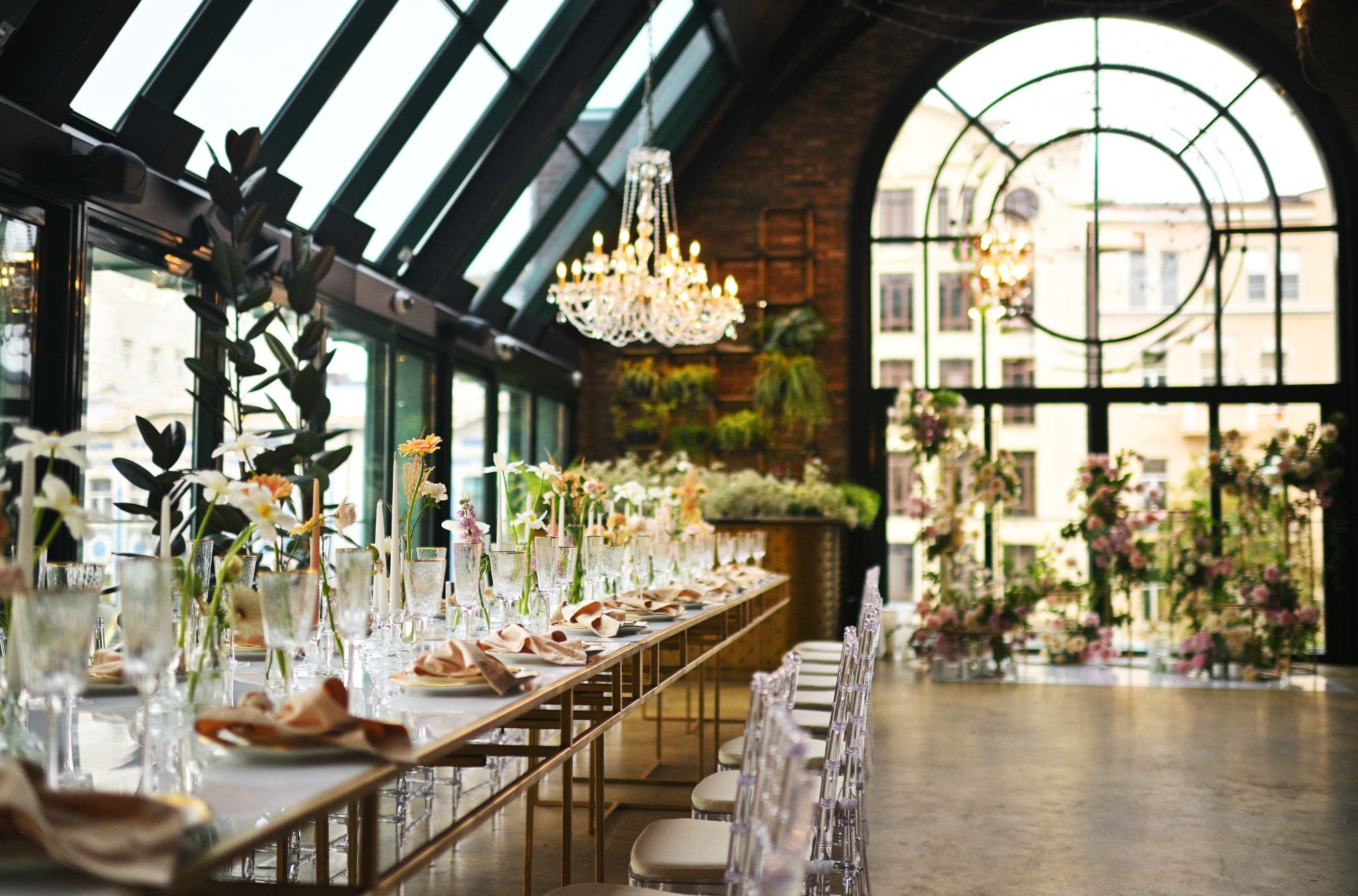
Intentional styling works through restraint. Choose one dominant visual direction and let supporting elements stay subtle. If florals are the focus, keep table settings simple. If lighting is the feature, reduce decorative centrepieces. The eye needs a place to rest.
Guests subconsciously relax in spaces where they are not processing visual noise. Simplicity does not mean empty. It means controlled.
Use Lighting as Your Primary Styling Tool
Lighting influences atmosphere more than any decorative object. Many styling issues can be solved with thoughtful lighting alone.
Warm, indirect lighting softens a venue and brings people closer together socially. Harsh overhead lighting, even in a beautifully decorated space, can undo the effect of expensive styling. Guests respond strongly to light because it shapes how they look, how comfortable they feel and how long they stay engaged.
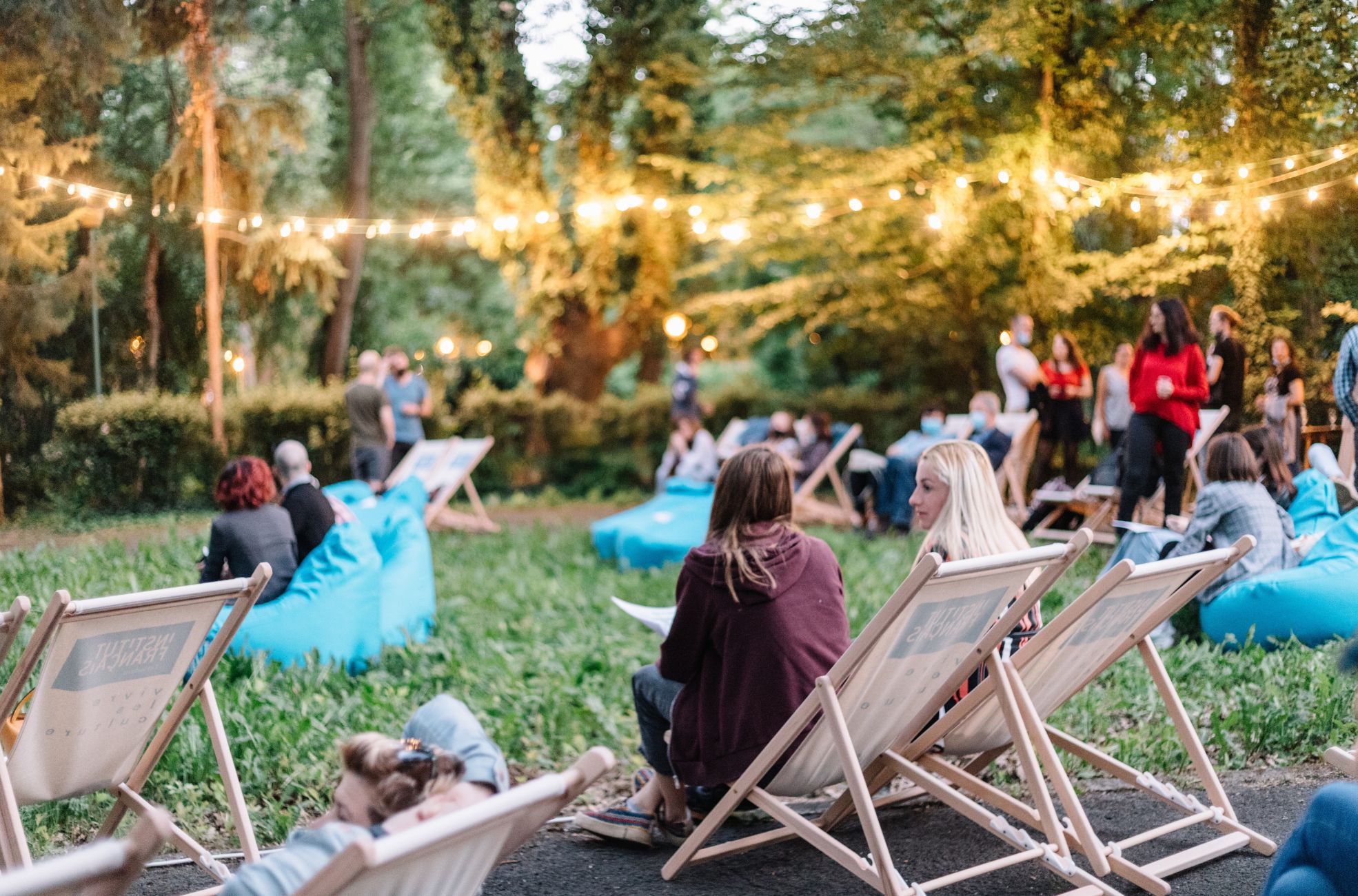
Consider layering light rather than relying on one source. Ambient light and entertainment establishes the base tone. Accent lighting highlights important areas such as stages, bars or feature tables. Decorative lighting, like festoon or candles, adds texture without clutter.
Good lighting can make minimal décor feel rich. Poor lighting can make elaborate décor feel flat.
Let the Space Breathe
An intentional event allows physical space to remain visible. Overstyling often comes from filling every available surface.
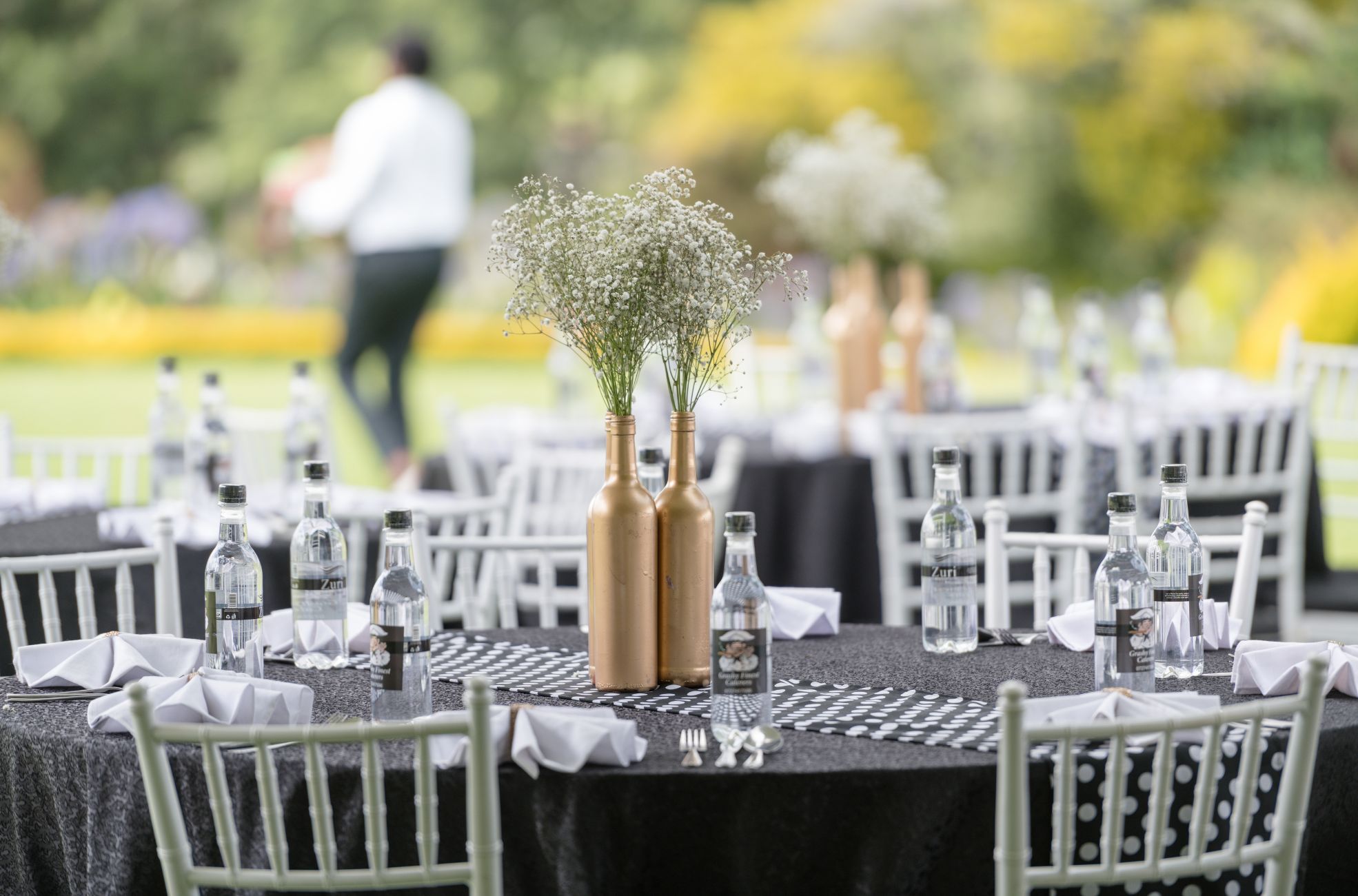
Tables do not need multiple centrepieces. Entrances do not require signage, florals and props simultaneously. Bars do not need decoration that interferes with service. When every corner holds an object, guests lose visual orientation and movement becomes awkward.
Open areas serve an important purpose. They give guests visual relief and help guide natural movement. A clear walkway, a simple backdrop or an uncluttered lounge zone makes an event feel organised even before the first performance begins.
Space is not empty. It is functional design.
Match Styling to Event Flow
Styling should follow how the event unfolds across the evening. Early moments usually require conversation and comfort, while later moments may support energy and celebration.
An arrival space benefits from openness and gentle lighting. Guests need room to greet each other and settle in. As the event progresses, focal points can become more pronounced, guiding attention toward speeches, entertainment or performances. Toward the end of the night, lighting and atmosphere may grow warmer and more intimate.
When styling remains static, the event can feel stuck in one phase. When it evolves subtly, guests experience natural progression.
Coordinate Styling and Entertainment
Styling and entertainment should complement each other. They share the same purpose: shaping guest experience.
If performers need space to move, avoid bulky décor in key areas. If live music is central, allow sightlines toward the stage. If a dance floor is planned, lighting should highlight rather than hide it.
Sometimes styling accidentally interferes with entertainment. Tall centrepieces can block visibility during speeches. Decorative installations can restrict movement. Excessive lighting effects can distract from performances.
When the two are coordinated, the event feels seamless. Guests are not choosing between watching and navigating obstacles.
Focus on Texture Rather Than Quantity
Many planners add objects to create interest. A more effective approach is adding texture.
Texture can come from fabric, greenery, timber, glass or soft furnishings. A linen runner, a draped backdrop or comfortable lounge seating often contributes more atmosphere than additional decorative items. Texture invites interaction without visual overload.
Guests respond positively to environments that feel comfortable to touch and sit in. It changes behaviour. People linger longer, conversations deepen and the event feels welcoming.
Personalisation Without Overstatement
Personal touches help an event feel meaningful, but they do not need to dominate the design. Overly large signage, repeated monograms or multiple feature installations can unintentionally shift focus from guests to décor.
Instead, place personal details in natural discovery points. A welcome sign at entry, a small story element near seating or a thoughtful detail at the bar often has more impact than multiple statements across the venue.
Personalisation works best when guests notice it gradually.
Avoid Competing Focal Points
Every well-styled event needs a focal point. Problems arise when there are too many.
Guests should instinctively know where to look during key moments. If the room contains several competing features — elaborate florals, bright lighting installations and multiple signage elements — attention fragments.
Choose one primary feature for each stage of the event. During ceremonies or speeches, it may be the front space. During social time, it may be the bar or lounge. During the celebration, it becomes the dance floor.
Clear focus keeps guests engaged and reduces confusion.
Consider Practicality as Part of Styling
Good styling supports comfort and movement. Decorative items that block service areas, crowd tables or restrict walking paths create friction.
An elegant table loses its impact if guests cannot comfortably place drinks or plates. A styled entrance loses effectiveness if guests queue awkwardly around it. Practicality does not reduce beauty. It enables guests to experience it fully.
If an element looks impressive but interferes with guest behaviour, it should be reconsidered.
Sound Matters Visually Too
Sound is often thought of separately from styling, yet it influences how a space is perceived. Harsh acoustics can make a room feel chaotic even when it looks calm. Soft background music and balanced audio help reinforce visual design.
Soundscaping during arrival and social moments complements intentional styling. It adds warmth without clutter and keeps the environment feeling active rather than empty.
When audio, lighting and layout align, guests experience a unified atmosphere.
Common Styling Pitfalls
Some recurring issues lead to overdone events. Overmatching colours across every item removes contrast and depth. Excess signage can make spaces feel commercial rather than welcoming. Oversized installations in small venues create crowding. Overuse of novelty items distracts from genuine moments.
These problems usually come from trying to impress visually rather than create experience. Guests remember how an event felt, not how many decorative pieces it contained.
A Practical Comparison
| Styling Approach | Resulting Guest Experience | Long-Term Impression |
|---|---|---|
| Multiple decorative features in every area | Visual overload and distraction | Guests feel tired or disengaged |
| Single focal point with supporting elements | Clear attention and relaxed movement | Memorable and comfortable |
| Harsh overhead lighting | Reduced atmosphere | Event feels formal or cold |
| Layered warm lighting | Inviting social environment | Guests stay longer |
| Heavy décor blocking movement | Awkward circulation | Frustration and early departures |
| Open pathways and defined zones | Natural interaction | Positive overall memory |
| Excess signage and props | Attention shifts to décor | Style feels forced |
| Subtle personal details | Meaningful discovery | Event feels thoughtful |
Final Thoughts
Intentional styling is less about adding and more about choosing carefully. When each element has a purpose, guests feel guided rather than overwhelmed. The room becomes a setting for connection instead of a display to be observed from a distance.
The most successful events achieve balance. Lighting, layout, décor and entertainment all support the same atmosphere. Guests move comfortably, conversations flow and key moments stand out naturally. Nothing competes for attention, yet everything contributes to the experience.
For hosts wanting a cohesive environment where styling and entertainment work together — from lighting design to performance placement and event flow — Onstage can help shape an atmosphere that feels polished without feeling excessive, ensuring your event feels welcoming from arrival to the final moment. Get in touch today.