
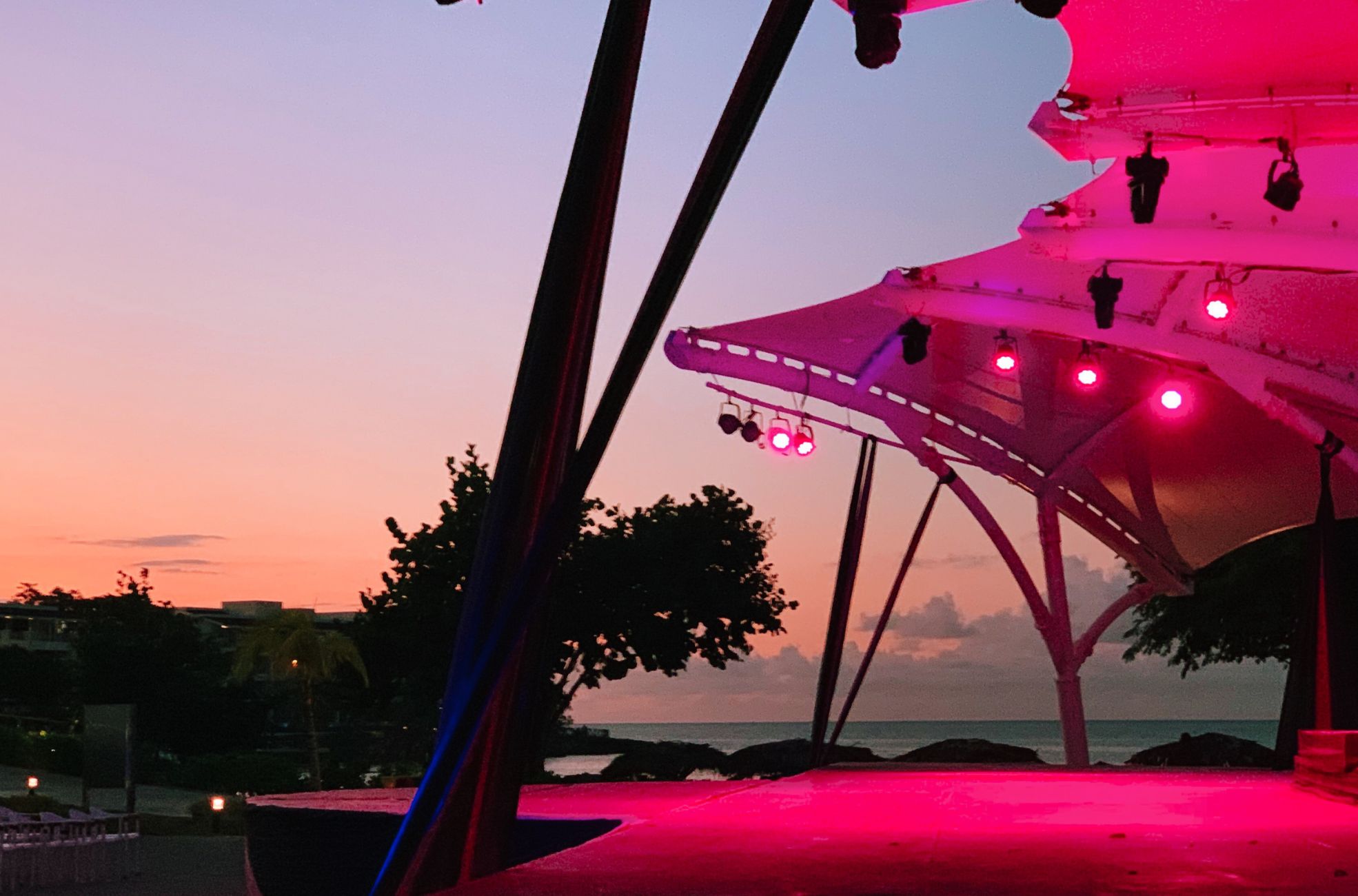
A stage might look simple at first glance — a raised platform where speeches happen or performers stand. Yet in reality, a stage is one of the most important structural elements of any event. It affects visibility, sound, safety and the overall flow of the experience. Without the right stage setup, even the most talented performers or speakers can struggle to connect with the audience.
Stage rental is therefore not just about hiring equipment. It is about understanding how guests will interact with the space and how the event will unfold. A poorly sized stage can make a venue feel awkward. A stage positioned incorrectly can block sightlines or disrupt movement. On the other hand, a thoughtfully planned stage helps anchor the entire event and gives guests a natural focal point.
For weddings, corporate functions, festivals and private celebrations alike, the stage becomes the centre of attention at key moments. Speeches, live music, award presentations and performances all rely on it. That is why understanding the practical details of stage rental is essential before confirming a booking.
Why a Stage Matters More Than People Think
Many events attempt to operate without a stage, especially smaller gatherings. At first this seems reasonable — a speaker can stand at the front of the room and address guests. However, once the audience grows beyond a small group, visibility becomes a problem.
Guests at the back struggle to see facial expressions or gestures. Sound may still reach them, but engagement drops quickly when visual connection disappears. A stage solves this instantly by raising the speaker or performer above the crowd, making them visible from every part of the room.
Stages also signal importance. When someone steps onto a stage, the audience naturally focuses their attention there. It becomes clear that a formal moment is beginning. This subtle psychological cue helps maintain order during an event.
Different Types of Events That Require Stage Rental
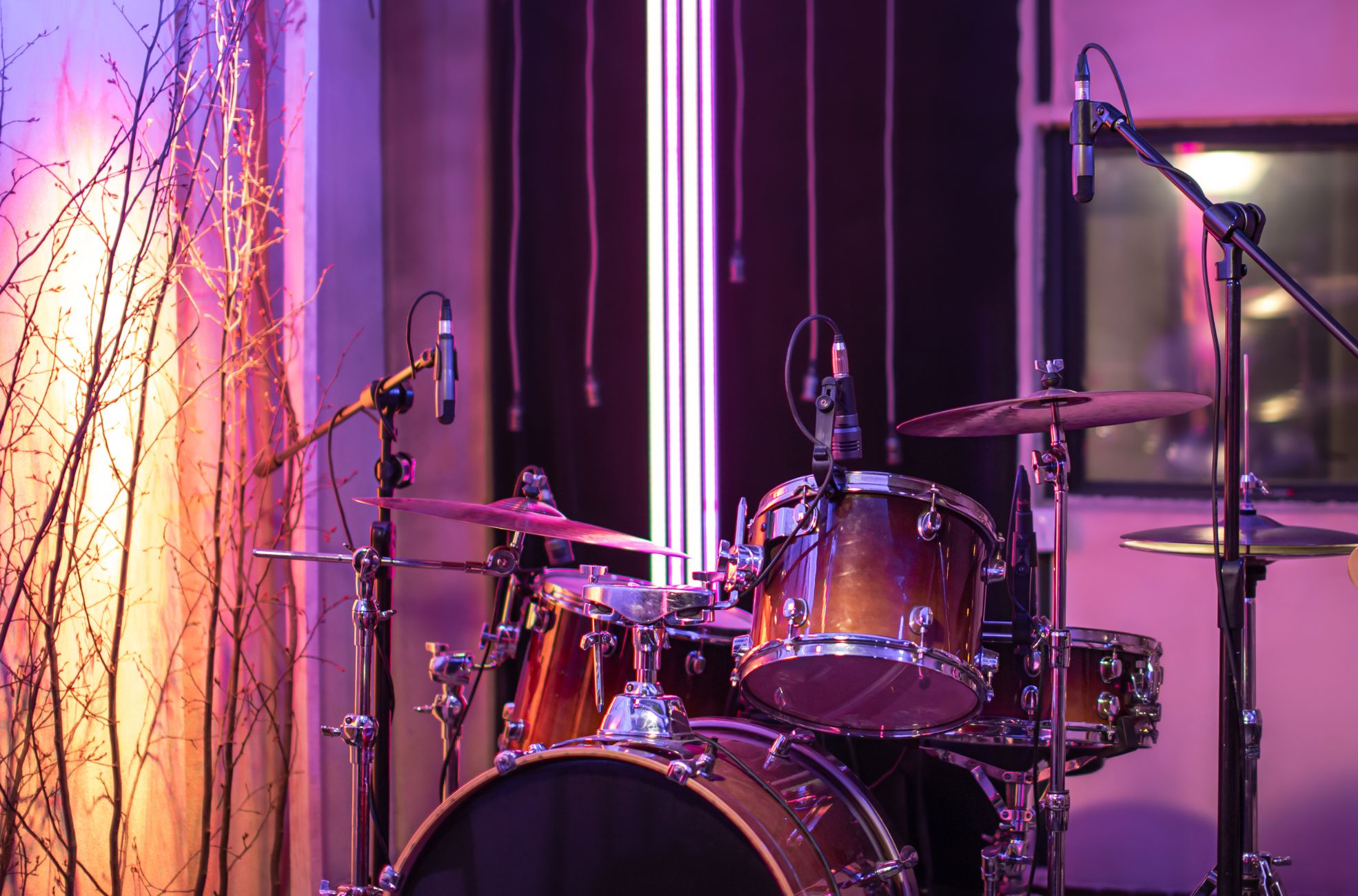
Stages appear in a wide range of events, each with slightly different requirements. Corporate conferences often need a stage large enough for presenters, lecterns and screens. Weddings might require a smaller platform for musicians or MC announcements. Festivals and public events need larger structures that can support multiple performers.
The size of the event and the number of people expected play a major role in determining stage design. A small indoor stage works well for speeches and acoustic performances. Larger outdoor events may require multi-level staging with covered roofing to protect equipment and performers from weather.
Understanding the purpose of the stage is therefore the first step when exploring stage rental options.
Choosing the Right Stage Size
One of the most common mistakes in stage rental is choosing a stage that is too small. At first glance, a compact stage might seem adequate for a band or speaker. However, once equipment, lighting stands and monitors are placed on the platform, space disappears quickly.
A stage must accommodate both performers and equipment comfortably. Musicians need space to move safely. Speakers need room to walk naturally without stepping close to the edge. Even DJs require additional space for tables and sound gear.
For this reason, event planners usually recommend choosing slightly larger staging than you think you need. Extra space provides flexibility and improves safety.
Indoor Versus Outdoor Stage Considerations
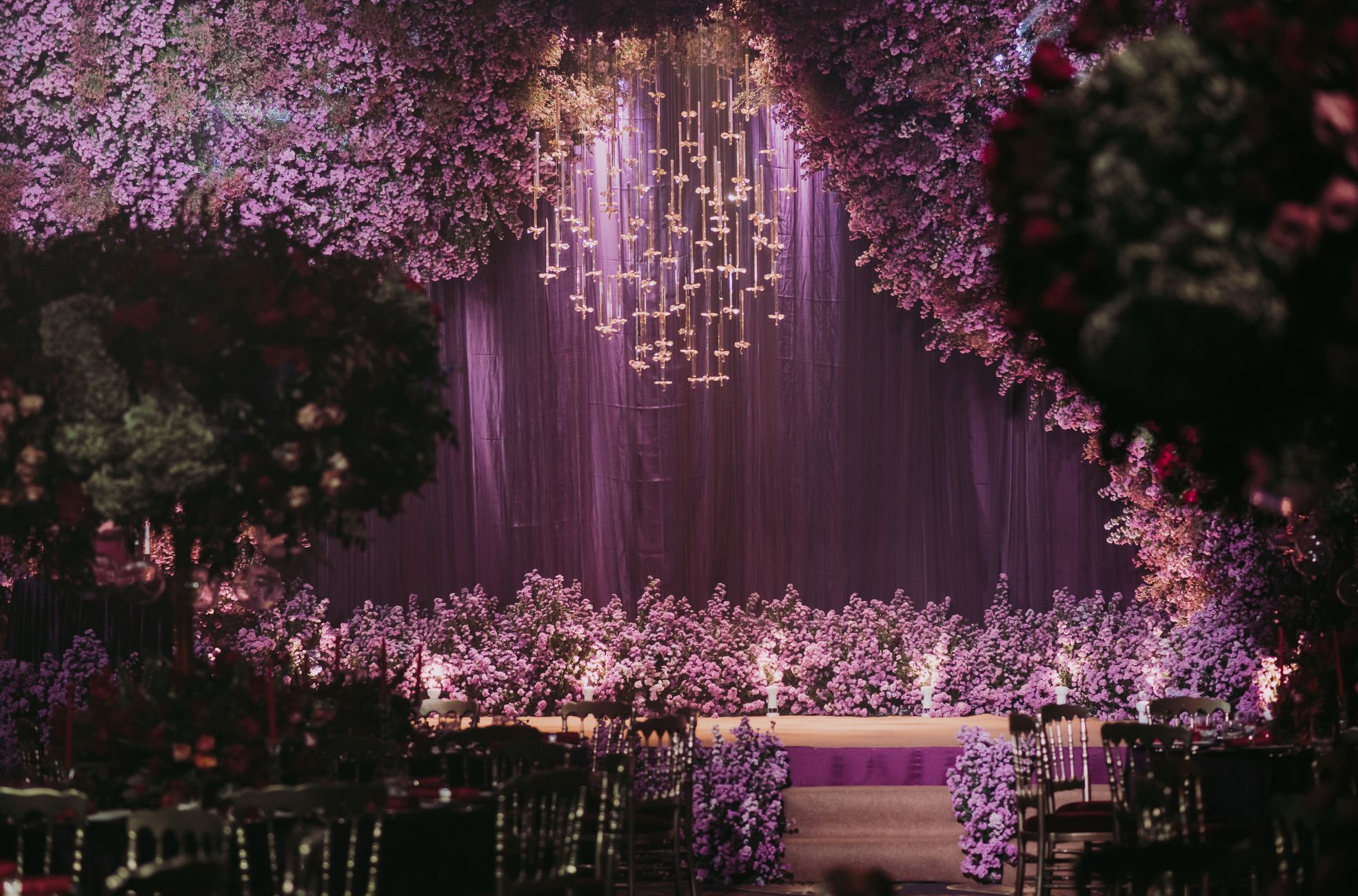
Indoor and outdoor stages have different requirements, particularly when it comes to safety and structure. Indoor stages are typically modular platforms assembled from sturdy sections. These platforms are stable, easy to configure and suitable for ballrooms, conference rooms and banquet halls.
Outdoor stages introduce more complexity. Weather, ground stability and wind exposure all become factors. Outdoor staging systems often include roofing structures or truss frameworks that protect performers and lighting equipment.
Even on calm days, wind can affect lighting rigs and sound systems. Proper stage design ensures everything remains secure.
Outdoor events also require careful planning for electrical supply. Power cables, audio equipment and lighting systems must be safely integrated into the stage area without creating hazards for performers or technicians.
Stage Height and Visibility
Height plays an important role in stage effectiveness. A stage that is too low fails to improve visibility. Guests in the back rows still struggle to see clearly. A stage that is too high, however, can feel intimidating and disconnect performers from the audience.
The correct height depends largely on audience size. For smaller events, a modest platform can be enough to raise speakers slightly above the crowd. Larger audiences often require higher staging so performers remain visible from a distance.
The goal is balance. The stage should elevate the performer enough to create focus while still maintaining a sense of connection with the audience.
Sound and Audio Integration
A stage is closely connected with the audio system used during an event. Microphones, speakers and monitor systems must be positioned correctly to deliver clear sound.
Professional stage setups consider these factors from the beginning. Speakers are placed strategically to ensure even sound distribution throughout the venue. Performers receive monitor speakers so they can hear themselves clearly while performing.
When stage rental is combined with proper audio planning, speeches and performances become far easier for guests to follow. Without this coordination, sound can become uneven or distorted.
Lighting and Stage Design
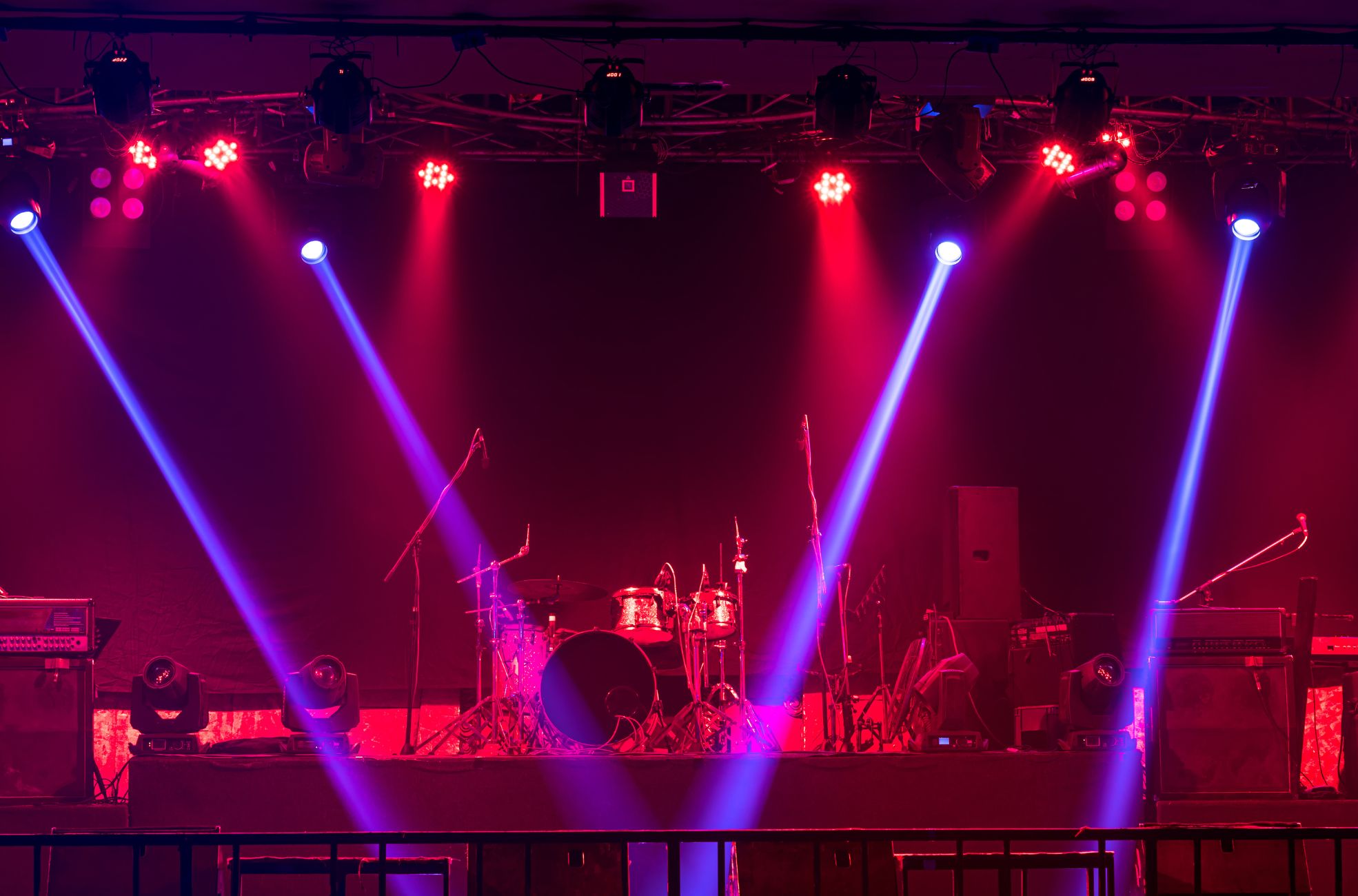
Lighting is another critical element that interacts with stage rental. Without proper lighting, performers may appear dim or difficult to see even when standing on an elevated platform.
Stage lighting helps highlight the performance area and guide guest attention. Soft lighting can create warmth during speeches, while dynamic lighting adds energy during musical performances or dancing.
Because lighting equipment often attaches to trusses or stands around the stage, the stage design must support these structures safely. This is particularly important for outdoor events where wind and weather conditions can affect stability.
Safety Considerations
Safety should always be a priority when hiring a stage. Professional stage rental providers design their systems to support specific weight limits and structural loads.
Performers, equipment and sometimes multiple people may occupy the stage simultaneously. The structure must be able to support this load comfortably. Guardrails or protective edges may also be required depending on stage height.
Cable management is another key safety concern. Audio and lighting cables must be secured so performers do not trip during the event.
When these details are managed properly, the stage becomes a secure environment where performers can focus entirely on their performance.
Stage Positioning Within a Venue
Where a stage sits inside a venue can influence the entire guest experience. A stage placed at the wrong end of the room may force guests to turn their chairs or stand awkwardly to see the performance.
Ideally, the stage should be positioned where the majority of guests naturally face it. This often means placing it along the far wall of a room or central to a large open space.
In outdoor settings, positioning must also account for sun direction, wind and audience comfort. For example, performers should not face direct sunlight during afternoon events.
Good positioning allows guests to see and hear comfortably without needing to adjust constantly.
Coordination With Entertainment
Many forms of entertainment rely heavily on staging. Bands, DJs, dancers and speakers all benefit from having a defined performance area.
For live music, the stage becomes the central performance zone. Instruments, microphones and lighting are arranged so performers can interact with the audience naturally. DJs may use smaller stages that allow them to remain visible while controlling music.
Performers often feel more confident when they have a dedicated stage. It signals professionalism and allows them to deliver a more engaging show.

Planning Ahead for Stage Rental
Stage rental is not something that should be organised at the last minute. Because stages influence sound, lighting and venue layout, they need to be considered early in the planning process.
Event planners often coordinate staging alongside entertainment booking and AV design. This ensures all technical elements work together smoothly.
Important planning questions include:
- How many performers will be on stage?
- Will speeches take place from the stage?
- Will lighting and sound equipment need mounting points?
Answering these questions early helps prevent unexpected adjustments later.
Cost Factors to Consider
Stage rental costs vary depending on size, location and complexity. A small indoor platform will typically cost less than a large outdoor stage with roofing and lighting structures.
Transport, setup and pack-down also influence pricing. Large stages require additional crew members to assemble safely.
While it may be tempting to minimise staging costs, choosing the correct stage size and structure usually improves the event experience significantly. A well-designed stage helps every performance, speech and presentation succeed.
Building the Foundation of Your Event
A stage may appear to be a simple platform, but it is one of the most influential elements in event design. It determines how guests see performers, how sound travels through the room and how the event’s key moments unfold.
Choosing the right stage rental involves more than selecting a size. It requires understanding the venue, the audience and the type of entertainment involved. When these elements align, the stage becomes a powerful focal point that anchors the entire event.
Whether hosting a wedding, corporate presentation or live performance, thoughtful stage planning ensures that every speech is heard clearly, every performer is seen easily and every moment receives the attention it deserves. Contact us today at Onstage so we can assist you with your requirements.