

Music does far more than fill silence. When planned intentionally, it becomes one of the most powerful tools for shaping how an event unfolds. From the moment guests arrive to the final song of the night, music guides energy, signals transitions and influences how people feel in ways they often cannot consciously articulate.
Many events struggle not because of poor music choices, but because music is treated as a series of isolated moments rather than a continuous journey. A strong music journey follows the natural rhythm of the event, supporting each phase without drawing unnecessary attention to itself.
We explore how to design a music journey that complements your event flow, whether you are planning a wedding, corporate function, private celebration or large-scale party.
Start With the Shape of Your Event
Before selecting a single song, it is important to understand the structure of your event. Most events naturally move through distinct phases, each with different energy requirements.
Typical phases include:
- Arrival and welcome
- Social mingling or networking
- Formal moments or speeches
- Celebration and high-energy segments
- Wind-down and conclusion
Mapping these phases allows music to be used strategically rather than reactively. Instead of jumping between moods, the event flows smoothly from one atmosphere to the next.
Arrival Music: Setting the First Impression
Arrival is the emotional starting point of the event. Guests are transitioning from the outside world into your environment, often greeting people they have not seen for some time.
Music during arrival should:
- Feel inviting rather than overwhelming
- Encourage conversation
- Reflect the tone of the event
For daytime or early evening events, acoustic, instrumental or soft vocal tracks work well. In outdoor settings, soundscaping that blends with natural ambience helps define the space without overpowering it.
The goal is to make guests feel comfortable and welcome, not to demand attention as this gives a great guest journey.
Building Energy During Social Moments
As guests settle in, energy naturally begins to lift. This is the moment where music can become more rhythm-driven while still supporting conversation.
Effective choices include:
- Light funk, soul or jazz-inspired tracks
- Mid-tempo contemporary playlists
- Live acoustic performers who can adapt in real time
Music here should gently encourage movement, smiling and engagement without forcing it. Volume and tempo are key — too high and conversation suffers, too low and the space can feel flat.
Using Music to Signal Transitions
One of the most valuable roles of music is helping guests understand that something is about to change.
Subtle cues can:
- Indicate it is time to move spaces
- Prepare guests for formal moments
- Shift focus toward a stage or focal point
For example, gradually reducing background music before a speech draws attention without announcements. Similarly, a distinct musical cue before a major moment helps guests naturally reorient.
These transitions feel polished because they are guided rather than abrupt.
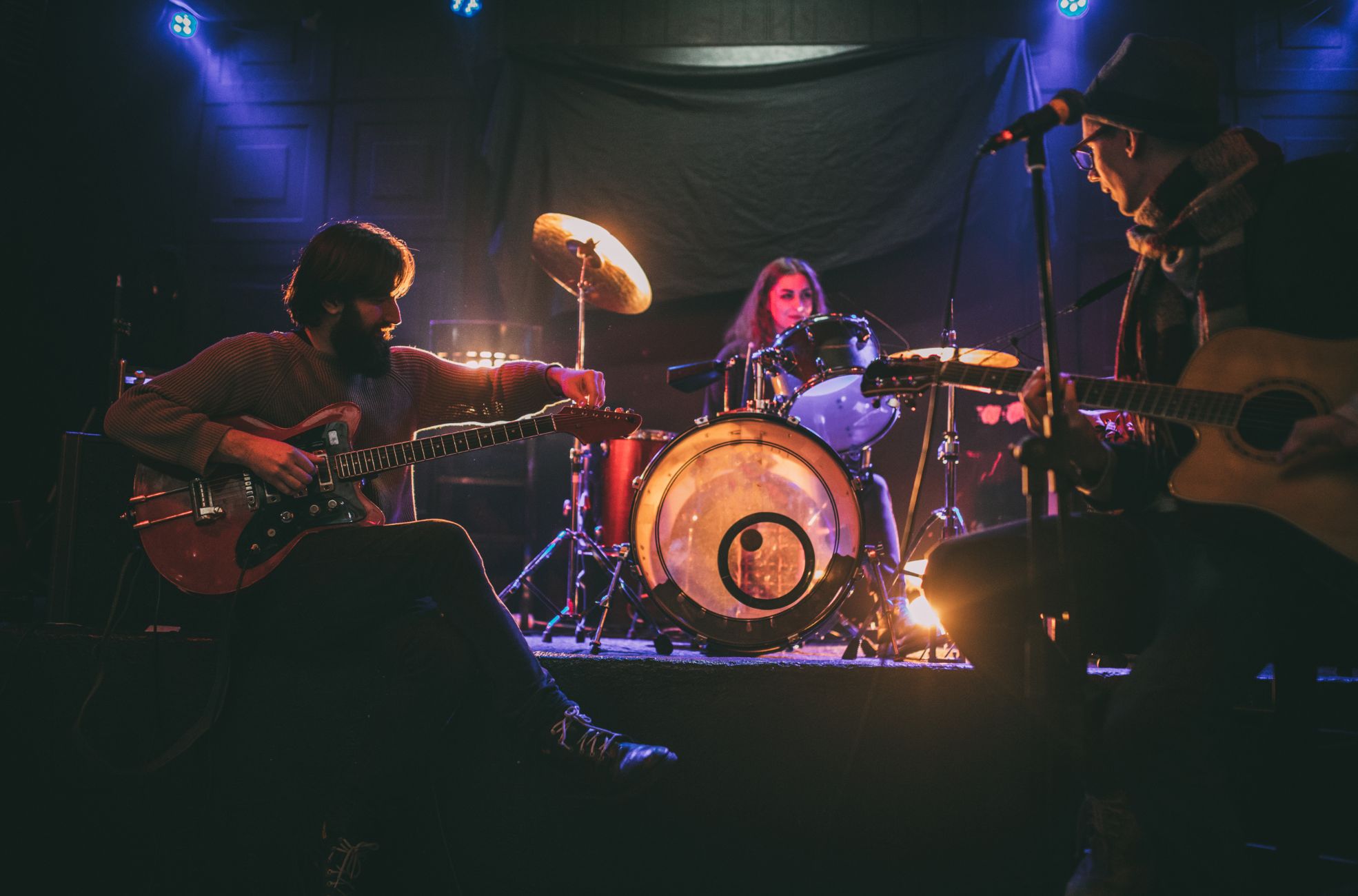
Formal Moments: Supporting Without Stealing Focus
Formal moments such as speeches, presentations or ceremonies require restraint. Music here should support emotion without competing for attention.
Key principles include:
- Lower volume or silence during spoken moments
- Short musical stings before and after speeches
- Instrumental tracks rather than lyrical ones
Music in these moments acts as a frame rather than a feature, highlighting significance without distraction.
Creating Emotional Peaks With Intention
Every successful event has emotional peaks. These are moments guests remember clearly long after the event ends.
Music can elevate these moments by:
- Building gradually toward them
- Using recognisable or meaningful tracks
- Pairing live performance with visual cues
The most effective peaks feel earned. Rather than jumping suddenly to high-energy tracks, allow music to rise in tempo and intensity over time.
The Shift Into Celebration
The transition from structured moments into open celebration is one of the most important points in the music journey.
This shift works best when:
- Formalities conclude cleanly
- Music lifts in energy immediately afterward
- There is no extended silence or confusion
Whether this involves a live band, DJ or curated playlist, the goal is to signal that guests are now invited to relax, dance or celebrate more freely.
Dance Floor Flow: Reading the Room
Once celebration begins, the music journey becomes more responsive. At this stage, flexibility matters more than rigid playlists.
A strong dance floor flow:
- Starts with broadly appealing tracks
- Builds gradually in intensity
- Includes moments of release and reset
Music selection should reflect the audience rather than personal taste alone. Mixing eras and genres thoughtfully keeps energy high across different age groups.
Live performers and experienced DJs excel here because they can read the room and adapt in real time.

Integrating Live Music and DJs
Many events now combine live music and DJs to create a layered experience.
Popular combinations include:
- Acoustic performers transitioning into DJs
- DJs supported by live saxophone or percussion
- Bands handing over to DJs for late-night energy
This approach allows music to evolve naturally while maintaining consistency.
Soundscaping Outdoor and Open Spaces
Outdoor events and large venues benefit significantly from intentional sound design. Without walls, sound can dissipate or feel disconnected.
Effective outdoor music planning includes:
- Zoning speakers to create defined areas
- Adjusting volume based on guest density
- Using softer tones during early phases
Soundscaping helps transform open spaces into cohesive environments rather than scattered gathering points.
Using Silence as a Tool
Silence can be just as powerful as sound. Strategic pauses heighten attention and emotional impact.
Moments where silence works well include:
- Immediately before significant announcements or for a grand entrance
- During emotionally charged speeches
- At the close of a ceremony
The absence of music draws focus and creates contrast, making the next musical moment feel more impactful.
Ending the Event With Purpose
The final phase of the music journey should feel intentional, not like an abrupt stop.
Ways to close an event musically include:
- Gradually lowering energy with familiar tracks
- Choosing a final song with emotional resonance
- Using live performers for a soft conclusion
A thoughtful ending leaves guests with a sense of completion rather than confusion.
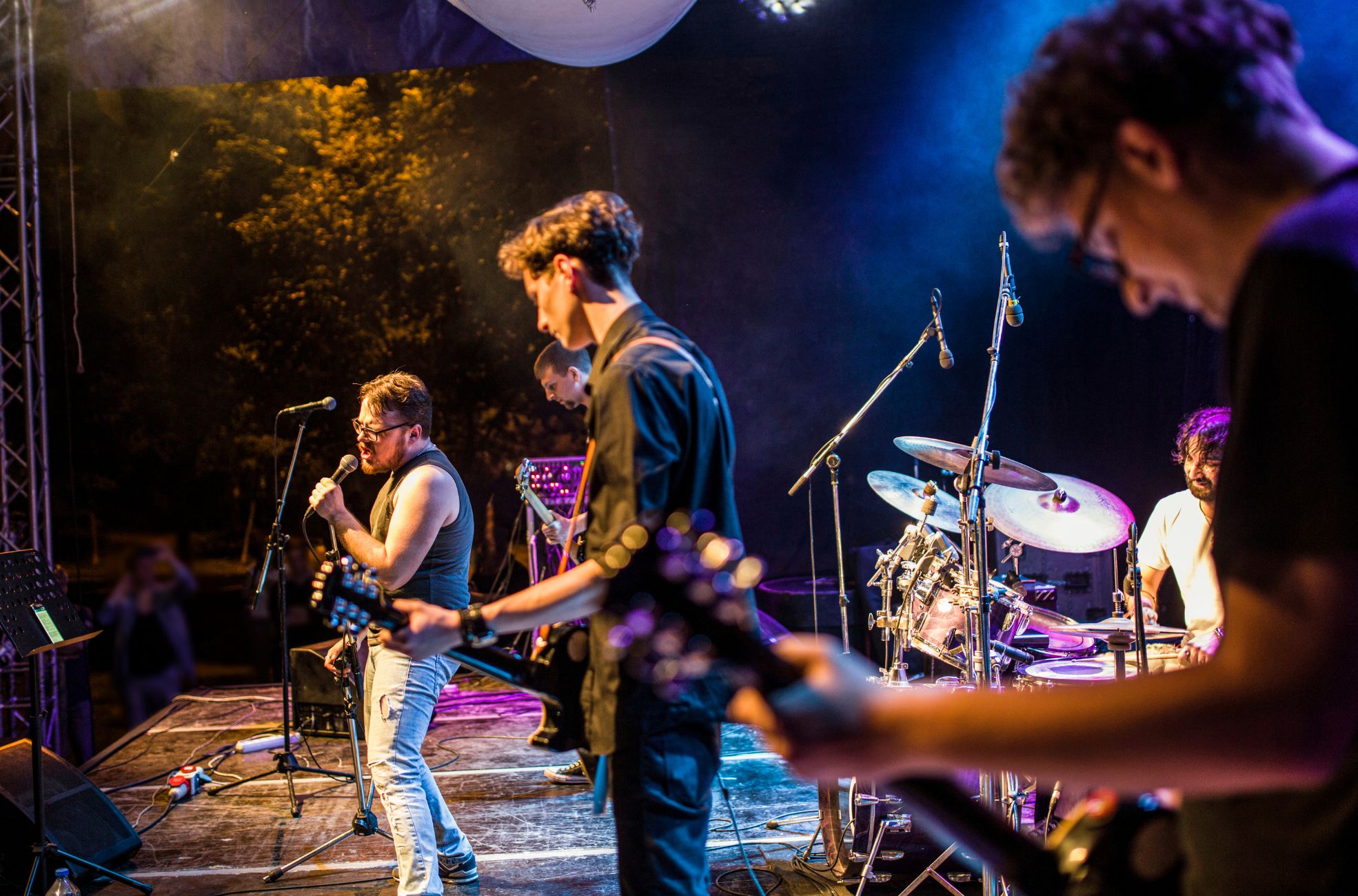
Common Mistakes to Avoid
Some frequent issues disrupt music flow:
- Treating music as background noise only
- Changing genres too abruptly
- Playing high-energy music too early
- Ignoring acoustics of the space
Avoiding these pitfalls helps maintain cohesion throughout the event.
Adapting the Music Journey to Different Event Types
While principles remain consistent, application varies.
For corporate events, music should support networking and professionalism. For weddings, it often carries emotional significance. For parties, energy and playfulness take precedence.
Understanding the event purpose ensures music enhances rather than distracts.
Collaboration Is Key
Music planning works best when aligned with the wider event team. Venues, hosts, entertainers and coordinators should all understand the intended flow.
Sharing a clear music brief helps performers deliver a cohesive experience.
Final Thoughts: Music as the Thread That Holds It All Together
A well-designed music journey is rarely noticed consciously, yet it defines how an event feels from beginning to end. It guides emotion, supports transitions and gives structure to moments that might otherwise feel disjointed.
When music follows event flow rather than fighting it, guests relax, connect and engage more fully. The event feels effortless, even though careful planning sits beneath the surface.
For hosts looking to create music journeys that elevate atmosphere, support timing and respond naturally to their audience, Onstage can help design, curate and deliver music experiences that move seamlessly with your event from arrival to farewell. Reach out to us today for further information.