Choosing a venue is one of the biggest decisions in event planning. It sets the tone, influences the guest experience, and determines how smoothly everything else can come together. Yet many organisers book venues based on aesthetics, availability or price alone, only to discover later that key details were overlooked.
Asking the right questions before signing a venue contract protects your budget, your timeline and your sanity. It also ensures the venue can genuinely support the type of event you want to deliver — not just host it.
We lay out the most important questions to ask before booking a venue, helping you avoid common pitfalls and plan with confidence from day one.
Why Venue Questions Matter So Much
A venue is more than a backdrop. It affects sound, lighting, accessibility, flow, catering, entertainment, and even how long guests stay engaged. Small limitations can quickly become major obstacles if they are discovered too late.
Asking detailed questions early allows you to:
- Confirm the venue suits your event format and audience
- Understand hidden costs and restrictions
- Plan entertainment and production accurately
- Avoid last-minute compromises
- Keep suppliers aligned and realistic
A good venue will welcome these questions. Clear answers are a sign of professionalism and experience.
Availability and Flexibility
Before diving into logistics, confirm whether the venue can realistically support your event on your preferred date and timeline/run sheet.
Key questions to ask include:
- Is our preferred date available, and are there alternative dates if needed?
- How many hours does the hire include?
- When can we access the venue for setup and bump-in?
- Is early access available, and is it included or charged extra?
- What time must the event finish, and is there flexibility to extend?
- Are there noise restrictions or curfews we need to plan around?
Understanding access windows early helps prevent rushed setups or shortened entertainment later.
Capacity and Guest Experience
Capacity is not just about maximum numbers. It is about comfort, flow and atmosphere.
Ask:
- What is the maximum capacity for our event style (seated, cocktail, theatre-style)?
- What is the recommended guest number for comfort?
- How does the venue feel at different capacities?
- Are there areas where guests naturally gather or bottleneck?
- Is there sufficient space for dancing, mingling or entertainment?
A venue that technically fits your numbers but feels cramped can dampen energy and shorten guest engagement.
Layout and Flow
The layout of a venue plays a major role in how your event unfolds.
Important questions include:
- Can we see a floor plan of the space?
- Are there separate areas for arrival, main event and breakout spaces?
- Where do speeches, performances or presentations usually take place?
- Is there a clear focal point for entertainment or formal moments?
- Can furniture be rearranged or removed?
- Are there restrictions on how the space can be configured?
A flexible layout allows you to design a better guest journey and smoother transitions throughout the event.
Catering and Bar Arrangements
Food and beverage service often comes with rules that affect timing, budget and guest satisfaction.
Clarify:
- Is catering in-house, preferred suppliers only, or fully flexible?
- Are there minimum spend requirements?
- Can menus be customised for dietary needs?
- How are drinks served — bar service, packages, tab or consumption-based?
- Are there restrictions on external food vendors, food trucks or cake suppliers?
- What time does food service begin and end?
Knowing these details helps you align catering with your event timeline rather than working around rigid service windows.
Entertainment and Production Rules
Venues vary significantly in what they allow when it comes to entertainment and production.
You should ask:
- What types of entertainment are permitted?
- Are live bands, DJs or amplified performances allowed?
- Are there volume limits or sound restrictions?
- Where can performers be positioned within the space?
- Is staging allowed, and are there size or height limits?
- Can lighting rigs, trusses or special effects be used?
If entertainment is a central part of your event, these questions are essential. A beautiful venue that limits sound or staging may not suit a high-energy celebration.
Audio, Visual and Technical Support
Even simple events rely on reliable technical infrastructure.
Ask the venue:
- What audio and visual equipment is included?
- Are microphones, speakers and screens provided?
- Is there a dedicated technician on site, or must we supply one?
- Can we bring in our own AV supplier if needed?
- What power access is available, and where are outlets located?
- Is there strong Wi-Fi, and is it suitable for streaming or presentations?
Clear technical information allows your entertainment and production teams to plan accurately without surprises.
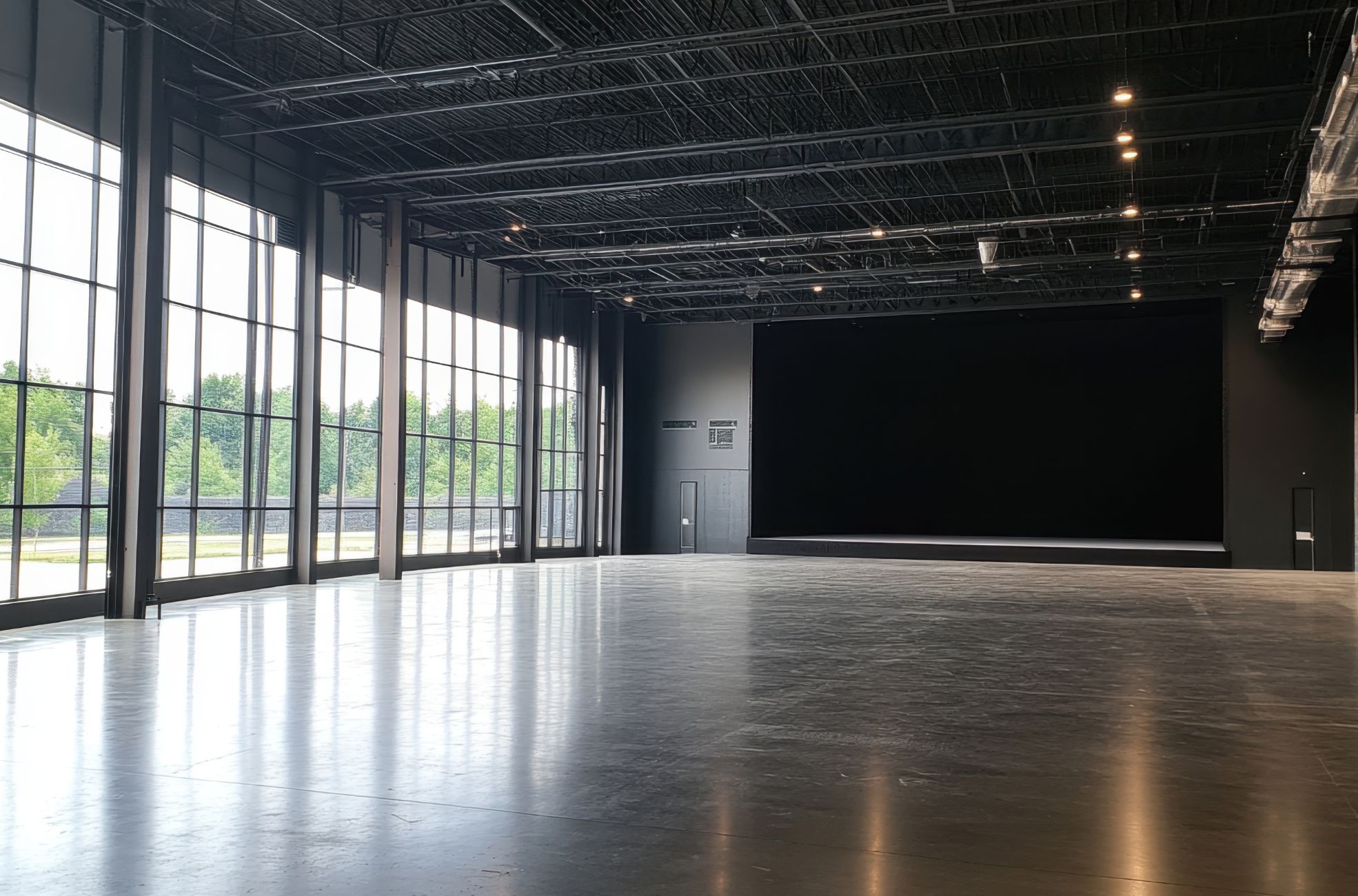
Styling, Décor and Customisation
Personalising a venue is often important, but not all venues allow the same level of customisation.
Clarify:
- What decorations are permitted?
- Can items be hung from walls or ceilings?
- Are candles, open flames or confetti allowed?
- Can signage, branding or projections be displayed?
- Is there a set time for décor setup and removal?
Restrictions are not necessarily a deal-breaker, but they must align with your vision and expectations.
Accessibility and Guest Comfort
A venue should cater to all guests, not just those who move easily or arrive early.
Ask:
- Is the venue wheelchair accessible throughout?
- Are there accessible bathrooms?
- Is there adequate lighting for evening events?
- Are heating or cooling systems available and adjustable?
- Is there outdoor cover in case of weather changes?
Comfort plays a huge role in how long guests stay and how much they enjoy the event.
Parking, Transport and Arrival
The arrival experience sets the tone for the entire event.
Important questions include:
- Is parking available on site or nearby?
- Is parking included or paid?
- Are there clear drop-off zones for rideshares or buses?
- Is the venue easy to find, especially at night?
- Are there stairs, slopes or long walking distances to consider?
Poor arrival logistics can cause frustration before the event even begins.
Staffing and On-the-Day Support
Knowing who will be present on the day makes a significant difference.
Ask:
- Will a venue coordinator be on site during the event?
- What support does the venue team provide?
- Who is the main point of contact on the day?
- How are issues or changes handled during the event?
- Are security or cleaning staff included?
Strong on-site support allows you to focus on guests rather than troubleshooting.
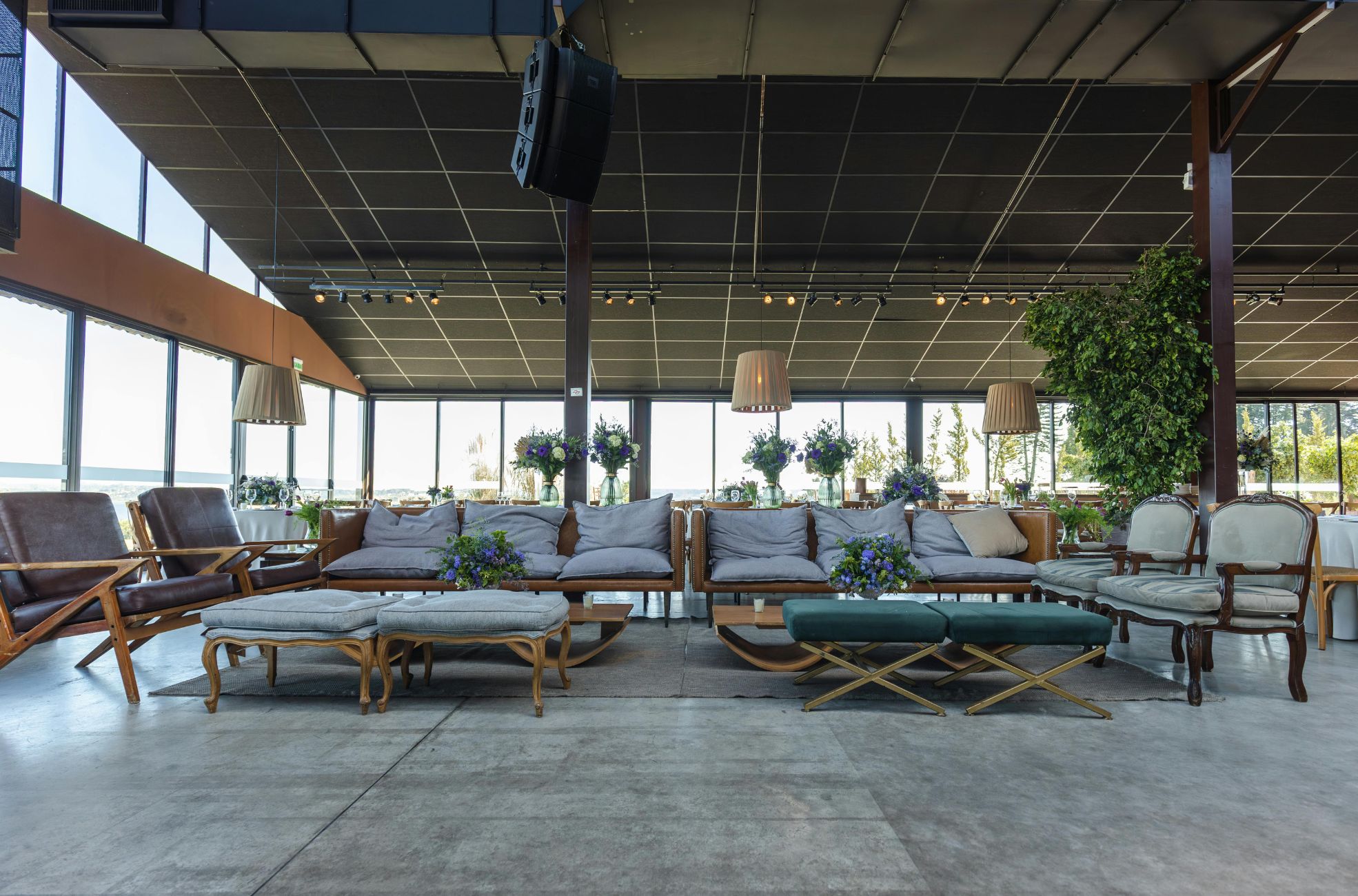
Costs, Fees and Fine Print
Venue pricing can include many layers beyond the base hire fee.
Clarify:
- What is included in the hire cost?
- Are there additional fees for staffing, cleaning or security?
- Is there a bond, and under what conditions is it returned?
- Are overtime charges applied if we run late?
- What is the payment schedule?
A clear understanding of costs helps avoid budget blowouts later.
Contracts, Cancellations and Contingencies
Finally, protect yourself by understanding the terms of the agreement.
Ask:
- What is the cancellation or postponement policy?
- What happens if the venue becomes unavailable?
- Are there weather contingency plans for outdoor spaces?
- Can contract terms be adjusted if circumstances change?
- Is event insurance required?
Reading and questioning the contract carefully is just as important as viewing the space.
Bringing It All Together
Booking the right venue is not about finding the most impressive room. It is about choosing a space that supports your event goals, your guests and your suppliers.
By asking these questions upfront, you gain clarity, confidence and control. You also set the foundation for smoother planning, stronger collaboration and a more enjoyable experience on the day.
A well-chosen venue works with you, not against you. It allows entertainment to shine, catering to flow naturally, and guests to feel comfortable and engaged from arrival to farewell.
For events where atmosphere, timing and experience truly matter, thoughtful venue selection is the first step toward an unforgettable outcome — and the smartest decision you can make before anything else falls into place.