

A keynote speaker delivers a featured presentation that establishes or reinforces the central theme, message or purpose of an event. Keynote speakers commonly address the full audience at conferences, leadership events, industry summits, company kick-offs and corporate functions.
The keynote gives attendees a shared idea, perspective or challenge that connects the wider programme. It is a role within the event agenda, not a particular speaking style. A keynote can be strategic, technical, practical, thought-provoking, inspirational or a combination of these.
What Does a Keynote Speaker Do?
The role of a keynote speaker extends beyond delivering an interesting presentation. Their job is to support the purpose of the event and help the audience understand why the wider programme matters.
Depending on the brief, a keynote speaker may:
- Establish the central message by introducing the event’s main theme, question or business priority.
- Provide specialist expertise that helps the audience understand an issue, opportunity or industry change.
- Set the tone for the sessions, conversations and activities that follow.
- Connect programme themes through one clear perspective or narrative.
- Create a focal point that gives the event a recognisable feature session.
- Challenge assumptions about an issue, behaviour or way of working.
- Encourage action where the event has a defined organisational or professional objective.
Not every keynote needs to be motivational.
An economist explaining market conditions, a cybersecurity specialist addressing emerging risks or a business leader discussing organisational change can all deliver effective keynotes. The right approach depends on what the audience needs from the event.
What Is the Purpose of a Keynote Speech?
A keynote speech gives the full audience one shared message or frame of reference.
Unlike a breakout session, workshop or panel, a keynote is designed to support the event as a whole. It can introduce a major theme, reframe a business challenge, add specialist insight or close the programme with a clear next step.
A breakout presentation usually explores a narrower topic for part of the audience. A workshop focuses more heavily on participation and practical skill development. A panel brings several perspectives into one discussion.
The keynote has a broader responsibility. It should help attendees understand how the event’s different sessions relate to its overall purpose.
For example, a conference about workplace transformation might include separate sessions on technology, leadership and employee wellbeing. A keynote can introduce the central challenge that connects all three.
This is why the speaker should be selected after the event objective and conference theme are reasonably clear. Without that direction, even an accomplished presentation can feel disconnected from the programme.
Keynote Speaker vs Other Event Roles
Terms such as keynote speaker, guest speaker, motivational speaker and MC are sometimes used interchangeably. They describe different functions, although one person may be capable of performing more than one of them.
| Role | Main Purpose | Typical Place in the Programme |
|---|---|---|
| Keynote speaker | Delivers a major presentation aligned with the event’s central theme or objective | Opening, feature session, mid-programme reset or closing |
| Motivational speaker | Encourages action, resilience, confidence, mindset change or improved performance | Keynote, breakout or featured presentation |
| Guest speaker | Broad term for an invited presenter who contributes expertise, experience or a particular perspective | Varies according to the event |
| Conference MC | Hosts the programme, introduces speakers, manages transitions and maintains continuity | Throughout the event |
Keynote Speaker vs Guest Speaker
A guest speaker is any invited person who contributes to an event from outside the regular organising team or programme.
They might deliver a short presentation, join a panel, participate in a fireside chat, present an award or discuss a specialist topic. A keynote speaker can therefore be one type of guest speaker, but not every guest speaker is a keynote speaker.
The difference comes down to the function of the presentation. A keynote is positioned as a major thematic session for the wider audience.
For a broader explanation of speaker categories, explore the different types of guest speakers used at corporate and business events.
Keynote Speaker vs Motivational Speaker
A keynote describes the speaker’s role in the programme. Motivational speaking more often describes the style or intended outcome of the presentation.
A motivational speaker may deliver a keynote designed to strengthen confidence, resilience or performance. However, a keynote could just as easily be delivered by an industry specialist, researcher, futurist, economist, entrepreneur or business leader.
The terms overlap, but they are not interchangeable.
Start with the outcome you want. If the audience needs renewed confidence or energy, a motivational keynote may suit. If delegates need to understand a regulatory change or emerging risk, specialist expertise may matter more than an overtly inspirational style.
Keynote Speaker vs Conference MC
A keynote speaker delivers one major featured presentation. A conference MC guides the broader programme.
A professional MC may:
- Welcome the audience
- Introduce keynote and session speakers
- Deliver housekeeping information
- Keep sessions running to time
- Facilitate panels or audience questions
- Manage transitions between programme elements
- Respond when timing, technology or logistics change
The keynote speaker is usually on stage for a defined session. The MC remains involved across much more of the event.
Large conferences commonly use both because the roles solve different problems. The keynote delivers featured content, while the professional MC keeps the programme organised and connected.
What Events Use Keynote Speakers?
Keynote speakers are most useful when an event needs a strong shared message, informed external perspective or clearly defined feature session.
Corporate Conferences
A corporate keynote speaker can anchor the conference theme and help employees, clients or stakeholders understand the central business message.
The topic might involve leadership, customer experience, innovation, workplace culture, economic conditions, technology or organisational change.
The subject should reflect why people have been brought together. Adding a speaker simply because conferences are expected to have one rarely produces the same value.
Industry and Association Conferences
Industry events often use keynote speakers to examine significant trends, challenges or changes affecting the profession.
A keynote can provide a high-level perspective before delegates move into specialised presentations, panels and technical sessions. It may also introduce an issue that different parts of the industry need to consider together.
Leadership Summits
Leadership events benefit from speakers who can challenge assumptions, present new ways of thinking or explain how other organisations have approached similar problems.
The presentation must suit the experience and responsibilities of the audience. A session designed for emerging managers may not work for a room of chief executives, even when the subject appears similar.
Company Kick-Offs and Internal Business Events
A keynote can help introduce a new strategy, support a period of change or give teams a clearer sense of direction.
An external speaker can move the event beyond familiar internal messaging. They still need enough context to understand the organisation’s objectives and avoid giving generic advice.
Professional Development Events
A specialist keynote can give attendees access to expertise that would be difficult to provide through internal presenters alone. These sessions work best when informed insight is connected to practical implications for the audience’s work.
Business Forums and Stakeholder Events
A keynote speaker can give a business forum a strong shared starting point for later discussion. Depending on the event, the topic could involve economic conditions, government policy, regional development, leadership, sustainability or emerging technology.
Awards Nights and Gala Events
Some awards nights and gala dinners include a keynote presentation as part of the formal programme.
This works best when the speech supports the purpose of the event, such as recognising industry achievement, advancing a cause or bringing an association together.
A long or disconnected presentation can compete with the awards, meal service and entertainment. The keynote needs a clear reason for being there and a realistic amount of programme time.
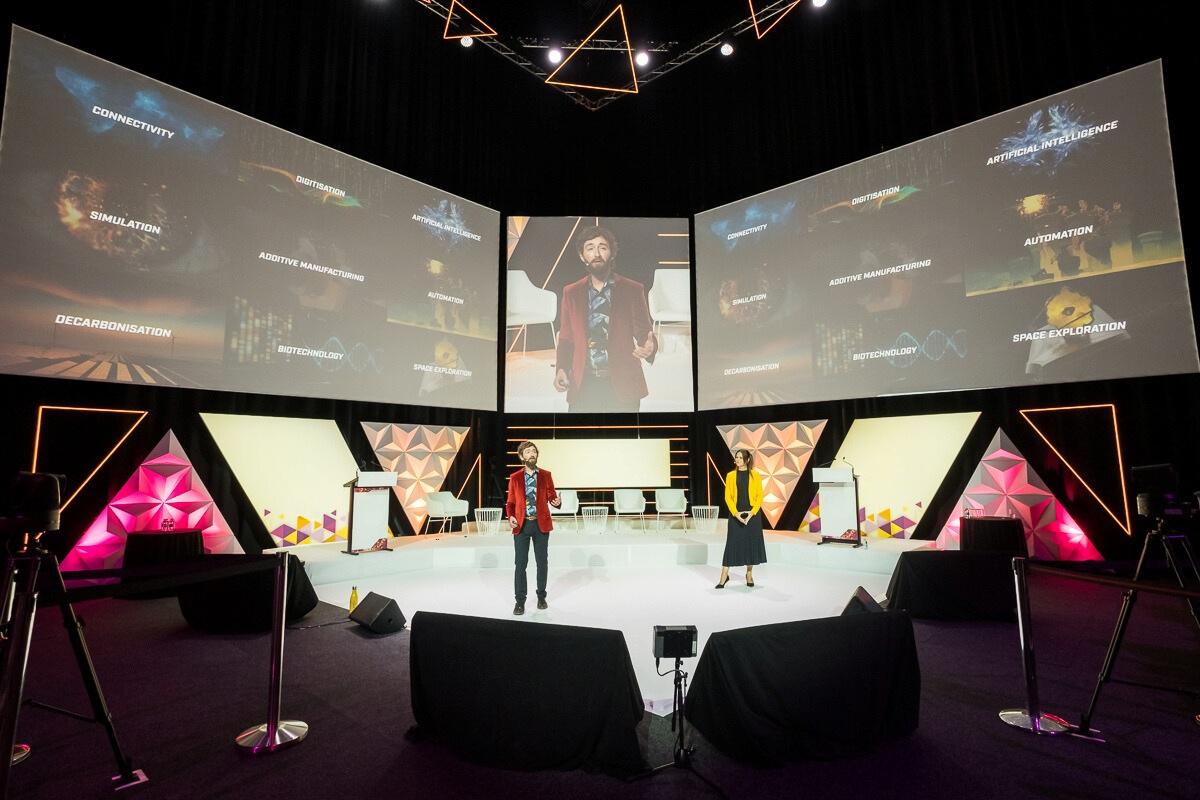
Where Does a Keynote Speaker Fit Into the Programme?
A keynote can appear at the beginning, middle or end of an event. Each position serves a different purpose.
Opening Keynote
An opening keynote establishes direction and gives the audience a reason to engage with the programme ahead.
It may introduce the main theme, challenge delegates to think differently or create energy after the formal welcome. This position works well when one idea should influence the conversations and sessions that follow.
Avoid burying an opening keynote behind a long sequence of housekeeping, sponsor presentations and administrative announcements. Necessary information still needs to be covered, but the featured speaker should appear while the audience’s attention is fresh.
Mid-Programme Keynote
A mid-programme keynote can reset attention, introduce a new theme or bridge two parts of the agenda.
This placement can be useful during a multi-day conference or after several technical sessions. It gives the room a change of pace without requiring the speaker to carry the responsibility of opening or closing the event.
Timing matters. If the keynote follows lunch, allow for meal service, room movement and technical preparation rather than expecting the presentation to begin while guests are still settling.
Closing Keynote
A closing keynote should help the audience make sense of what they’ve heard and leave with a clear final thought.
It might connect ideas from across the programme, reinforce a desired action or provide a forward-looking perspective. It need not recap every session, but it should reinforce the event’s final message or next step.
Consider attendee departure plans before placing a major speaker at the end of the day. Delegates leaving for flights, transfers or evening functions can weaken attendance at even a highly anticipated closing session.
Can an Event Have More Than One Keynote?
Yes. Multi-day conferences often use an opening keynote, one or more daily feature sessions and a closing keynote.
Each presentation should have a distinct purpose.
An opening keynote might introduce the central challenge, while a closing speaker helps delegates decide what to do next. Booking several speakers to deliver similar messages can make the programme repetitive and reduce the value of each appearance.
How Long Is a Keynote Speech?
There is no universal keynote length.
A common planning range for corporate events is 30 to 45 minutes. Sessions involving audience questions, demonstrations or participation may require 45 to 60 minutes in total.
A shorter 20- to 30-minute keynote can suit a tightly scheduled programme or an event built around several concise feature presentations.
| Session Format | Indicative Planning Range | May Suit |
|---|---|---|
| Concise keynote | 20 to 30 minutes | Fast-paced programmes, short opening sessions or multiple featured speakers |
| Standard keynote | 30 to 45 minutes | Corporate conferences, leadership events and industry forums |
| Extended keynote | 45 to 60 minutes | Detailed presentations, audience interaction or included question time |
These are planning ranges, not fixed rules. The appropriate length depends on:
- The complexity of the subject
- The audience’s familiarity with it
- The pace and length of the wider programme
- Whether question time is included
- The speaker’s delivery style
- The level of audience participation
- Whether the keynote is being delivered during a meal or formal function
- The attention and energy likely to be available at that point in the day
Brief the speaker on the total stage time, not only their speaking time. Introductions, applause, questions, photography and the transition to the next session all use part of the allocated programme slot.
When Should You Book a Keynote Speaker?
An event benefits from a keynote when the presentation has a specific job to do.
Consider booking one when:
- The event needs a clear central message. A keynote can give attendees a shared understanding of its purpose.
- The audience would benefit from external expertise. An informed outside perspective can introduce ideas beyond the organisation’s day-to-day experience.
- The organisation is navigating change. A speaker may help explain the context, challenge old assumptions or support a shift in behaviour.
- The programme needs a strong opening or closing moment. A featured presentation can give the event a more deliberate beginning or end.
- The event requires a recognised drawcard. A respected speaker may support promotion and delegate interest, provided they remain relevant to the brief.
- Several sessions need to be connected through one theme. The keynote can give the audience a common question or idea to return to.
- The organiser wants to prompt a particular conversation. A well-chosen presentation can introduce an issue that later sessions, panels or networking activities explore in greater depth.
When an Event May Not Need a Keynote
Not every conference or corporate function needs one.
A keynote may be unnecessary when the event is short, highly practical or already centred around a skilled facilitator. An intimate workshop, roundtable or networking event may gain more from discussion than from a formal address.
It may also be better to go without a keynote than to book a speaker with no clear connection to the audience or event objective. A relevant panel, facilitator, MC or interactive session can be more valuable than filling a conventional space in the agenda.
What Should You Look for in a Keynote Speaker?
Start with fit.
Consider:
- Audience relevance: Will the subject and examples make sense to the people attending?
- Credible expertise: Does the speaker have genuine experience or informed knowledge in the area?
- Speaking experience: Can they hold the attention of an audience similar in size and profile to yours?
- Delivery style: Is their approach analytical, conversational, humorous, high-energy or reflective, and does it suit the room?
- Event objective: Will the presentation help achieve what attendees need to understand, feel or do?
- Subject matter: Does the topic support the wider programme without duplicating another session?
- Customisation: Can the speaker adapt examples, terminology and emphasis to the event?
- Budget and logistics: Do the fee, travel requirements, preparation and technical needs work within the event plan?
- Availability: Can the speaker attend any required briefing, rehearsal or technical check?
Whenever possible, watch footage from an event with a comparable audience.
For a more detailed selection process, read our guide to choosing and booking a guest speaker. Organisers ready to compare options can also explore our guide to the best keynote speakers in Australia.
What Information Does a Speaker Need From the Organiser?
A speaker can only tailor the presentation properly when the organiser provides a useful brief.
At minimum, share:
- The event objective: Why is the event being held?
- The audience profile: Who will be in the room, and what do they already know?
- The event theme: What central message or question connects the programme?
- The date, location and format: Is the presentation live, virtual or hybrid?
- The session length: How much total stage time is available?
- The programme position: Is it an opening, mid-programme or closing keynote?
- The organisational context: What changes, challenges or sensitivities should the speaker understand?
- The technical setup: What staging, screens, audio and presentation equipment will be available?
- The desired outcome: What should attendees think, feel or do after the session?
Provide relevant terminology, audience expectations and potentially sensitive issues early. This helps the speaker choose suitable examples and avoids a presentation that sounds generic or conflicts with the organisation’s circumstances.
Confirm who will introduce the speaker, whether questions are included and what follows the presentation.

Choose a Keynote Speaker Who Fits the Event
Understanding the role of a keynote speaker makes it easier to decide whether your programme genuinely needs one. The right presentation should give the audience a useful perspective, support the event’s central purpose and fit naturally within the wider schedule.
The best choice is not necessarily the most famous person available. It is the speaker who suits your:
- Audience
- Event objective
- Theme
- Programme
- Budget
Onstage Entertainment works with a range of experienced keynote speakers for conferences, leadership events and corporate functions across Australia.
Tell us your event date, location, audience, event objective, preferred topics and approximate budget. Our team can review your brief and recommend keynote speakers we work with who best suit your audience, event objective, programme and budget.
Contact Onstage Entertainment to find the right keynote speaker for your event.
Frequently Asked Questions About Keynote Speakers
Does a Keynote Speaker Usually Take Questions?
Not always. Some keynote sessions include live, moderated or pre-submitted questions, while tightly scheduled events may finish immediately after the presentation. Decide on the format before finalising the run sheet and include any question time within the speaker’s allocated session.
Should a Keynote Speaker Use Slides?
Slides are optional and should support the presentation rather than carry it. Confirm the required aspect ratio, file format, video and audio requirements, presentation controls and submission deadline before the event.
Can a Keynote Speaker Also Join a Panel?
Yes, provided the panel appearance supports the programme and forms part of the agreed brief. Allow enough time between the keynote, panel, media commitments and audience engagement so the speaker can prepare without delaying the schedule.
Does a Keynote Speaker Need to Attend the Whole Event?
Not necessarily. Some speakers attend earlier sessions so they can reference themes from the day, while others attend only the briefing, technical check and presentation. Confirm attendance expectations and any additional responsibilities before booking.
Can a Keynote Speaker Present Virtually?
Yes. Virtual and hybrid keynote presentations can work well for distributed audiences or speakers who cannot travel. Arrange a technical rehearsal, reliable audio, suitable lighting, a stable internet connection and a backup plan for connection issues.
Who Should Introduce the Keynote Speaker?
The conference MC or a senior organisational representative usually introduces the keynote speaker. Keep the introduction accurate and concise, and confirm the speaker’s preferred biography, title and name pronunciation beforehand.
How Far in Advance Should You Book a Keynote Speaker?
Begin enquiries once the event date, venue and speaker brief are reasonably secure. High-demand speakers, interstate travel and peak corporate-event periods may require several months of notice, while shorter-notice bookings depend on availability and travel requirements.