
Charity event ideas are easy to collect. The harder part is choosing one that suits your supporters, can be delivered with the people and budget available, and raises enough money after the bills are paid.
A black-tie gala may attract corporate sponsors and major donors, but it also brings considerable venue, catering and production costs. A trivia night is easier to organise, yet it still needs an engaging host, appealing prizes and enough revenue beyond ticket sales to make the effort worthwhile.
The right fundraiser depends on the cause, audience, financial target and resources available. This guide explores 25 charity event ideas for Australian organisations, workplaces, schools and community groups, followed by practical advice on how to organise the event, generate revenue and keep guests engaged.
The best charity event ideas include gala dinners, trivia nights, charity golf days, fun runs, community festivals, comedy nights, concerts, auctions, corporate luncheons and sponsored challenges. The right choice depends on your audience, fundraising target, budget, organising capacity and the different ways the event will generate revenue.
Best Charity Event Ideas for Australian Fundraisers
Some fundraisers can be organised by a small group of volunteers. Others require venues, sponsors, production, entertainment and a carefully managed event programme.
Use this table to compare some of the strongest options before committing to a format.
| Charity Event Idea | Best For | Planning Level | Main Revenue Sources | Need for Entertainment or MC |
|---|---|---|---|---|
| Gala dinner | Corporate donors and established charities | High | Tables, sponsors, auctions and appeals | Very high |
| Trivia night | Schools, clubs and community groups | Medium | Tickets, raffles and sponsors | High |
| Charity golf day | Corporate networks and sponsors | High | Teams, hole sponsors and auctions | High |
| Fun run or walk | Broad community participation | High | Registrations, sponsors and peer fundraising | Moderate |
| Corporate luncheon | Business and industry audiences | Medium | Tickets, tables, sponsors and appeals | High |
| Community festival | Families and local supporters | High | Entry, stalls, activities and sponsors | High |
| Comedy night | Adult audiences and social groups | Medium | Tickets, sponsors and raffles | Very high |
| Morning tea | Workplaces and smaller groups | Low | Entry fees and donations | Low |
| Online auction | Supporters across several locations | Medium | Auction bids and donations | Moderate |
| Corporate team challenge | Workplaces and professional networks | Medium | Team fees, sponsorship and matched donations | Moderate |
The planning level is relative. A small gala at a local venue may be easier to deliver than a large community festival involving public spaces, multiple vendors and thousands of attendees.
Formal and Premium Charity Event Ideas
1. Charity Gala Dinner
Best for: Corporate supporters, major donors and established charities
How it raises money: Table packages, sponsorships, auctions, raffles and direct appeals
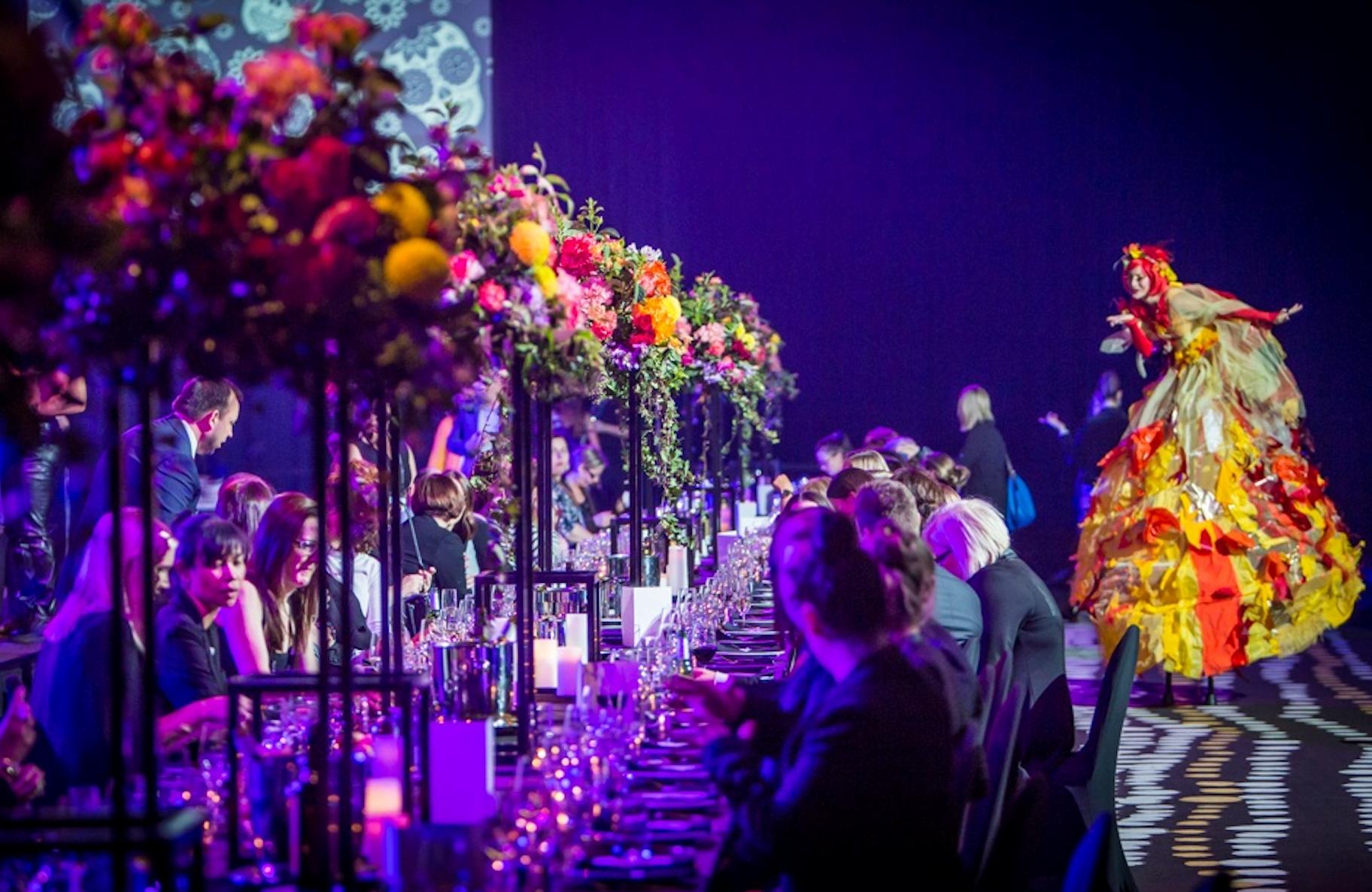
A gala dinner gives guests a complete night out while creating several opportunities to raise money. The strongest events combine a meaningful programme with good food, polished production and entertainment that supports the cause rather than distracting from it.
Timing matters. Speeches, beneficiary stories, auctions and donation appeals must be coordinated around meal service, entertainment and guest movement. A professional MC can manage these transitions while keeping the purpose of the evening in focus.
For a complete breakdown of venue selection, programme pacing, entertainment and event delivery, read our guide to planning a gala dinner.
2. Charity Ball
Best for: Formal annual fundraisers and milestone campaigns
How it raises money: Premium tickets, tables, sponsorships, auctions and donations
A charity ball places dancing and the social experience at the centre of the evening. Guests may arrive in formal dress, enjoy a seated meal and stay for a live band or DJ after the main fundraising programme.
This format can support a higher ticket price, but organisers need to control the cost of styling, catering and production. A spectacular ballroom does not automatically produce a strong return for the cause.
Keep the formalities focused so there is enough time for dancing. If guests have been promised a ball, the entertainment cannot feel like an afterthought added after two hours of speeches.
3. Cocktail Fundraiser
Best for: Networking, younger professional audiences and shorter evening events
How it raises money: Tickets, sponsorships, silent auctions and direct donations
A cocktail fundraiser can feel more relaxed than a seated dinner while still providing a premium guest experience. Canapés, drinks, acoustic music and roving entertainment allow guests to mingle without committing to a lengthy formal programme.
The main challenge is attention. Important speeches and appeals can disappear into background noise when guests are standing, moving and talking.
Create a clear focal point, pause service at important moments and make sure everyone can see and hear the stage. Keep formalities concise and give the MC a reliable way to bring the room together.
4. Live Auction Dinner
Best for: Supporters with strong donor capacity and access to premium prizes
How it raises money: Tickets, sponsorships and competitive bidding
A live auction dinner works when the prizes genuinely appeal to the people in the room. Travel packages, private dining experiences, sporting access, artwork and exclusive behind-the-scenes opportunities may perform well when they match the audience.
A prize’s advertised retail value does not guarantee strong bidding. An expensive item that excites the organising committee may have little relevance to guests.
Use a capable auctioneer or host, explain the process clearly and make payment straightforward. Schedule the auction while guests are attentive, not at the end of an overloaded programme.
5. Charity Awards or Recognition Night
Best for: Industry groups, community organisations and charities recognising supporters
How it raises money: Tickets, tables, category sponsorships, auctions and appeals
An awards night can recognise volunteers, donors, community leaders or partner organisations while raising money for a connected cause.
Category sponsorship gives businesses a clear reason to participate, while nominations can help extend promotion beyond the charity’s existing audience.
Avoid allowing the awards to consume the entire night. Combine overlapping categories, establish speech limits and use recipient stories to demonstrate impact. The fundraising appeal should still feel like an important part of the programme, not a rushed addition before dessert.
6. Charity Concert
Best for: Public campaigns, arts organisations and causes with broad community appeal
How it raises money: Tickets, sponsorships, merchandise and donations
A concert can generate substantial interest when the performers, cause and audience align. It may feature one major artist, several local acts or a combination of music, comedy and guest speakers.
This is also one of the more financially exposed charity event ideas. Venue hire, production, artist agreements, ticketing, security and marketing costs can build quickly.
Set realistic ticket targets before committing to major expenses. Confirm what technical equipment the venue provides and what each performer requires. An artist partnership can increase attention, but the event still needs a complete sales and promotion plan.
7. Comedy or Cabaret Night
Best for: Adult audiences, workplaces and social fundraising groups
How it raises money: Tickets, sponsorships, raffles and food or beverage sales
Comedy and cabaret give people a clear reason to buy a ticket beyond supporting the cause. This can make the fundraiser easier to promote than an event built entirely around speeches and donation requests.
Match the performer carefully to the audience, organisation and subject matter. Material that works in a late-night comedy venue may not suit a corporate crowd or a cause involving sensitive personal experiences.
A concise welcome, interval raffle and well-timed appeal will usually work better than repeatedly interrupting the entertainment with fundraising announcements.
Community and Family Charity Event Ideas
8. Trivia Night
Best for: Schools, sporting clubs, workplaces and community organisations
How it raises money: Team tickets, raffles, sponsors and paid bonus activities
Trivia nights are familiar, social and flexible. They can be held in a school hall, club, pub, function room or workplace, depending on the audience.
A good host keeps the rounds moving, explains the rules and fills the gaps while answers are marked. Without that structure, delays between rounds can drain the room’s energy.
Build revenue beyond the team fee through raffles, donated prizes, sponsor rounds, mini-games or food and beverage arrangements. Keep the difficulty balanced so casual players can participate without making the competition meaningless.
9. Family Fun Day
Best for: Schools, local charities and family-focused causes
How it raises money: Entry fees, activity tickets, food, stalls and sponsorship
A family fun day can include children’s entertainment, games, rides, workshops, food vendors and community performances.
The format creates several small revenue opportunities, but it also requires careful site planning. Consider shade, seating, first aid, toilets, accessible paths, lost-child procedures and wet-weather arrangements.
Map the site before confirming activities. A popular attraction can create queues, block access or overwhelm nearby stalls when the space has not been planned properly.
10. Community Festival or Fete
Best for: Large local audiences and organisations with strong volunteer networks
How it raises money: Entry fees, stallholder charges, activities, food and sponsorship
A community festival is broader than a single fundraising activity. It may include local musicians, performers, market stalls, workshops, food trucks and demonstrations across several hours.
That range can make the event highly attractive, but every additional stallholder or performer adds logistical work. Power, waste, vehicle access, noise, security and bump-in times need to be coordinated.
Create a site plan and supplier schedule early. Do not rely on stallholders to resolve access or power requirements after they arrive.
11. Outdoor Cinema Night
Best for: Schools, neighbourhood groups and family audiences
How it raises money: Tickets, picnic packages, food vendors and sponsorship
An outdoor cinema night creates a relaxed atmosphere while giving sponsors visible opportunities around the screen, entry area or pre-film programme.
Confirm the right to screen the film publicly. You will also need suitable projection, sound and power rather than equipment designed for a lounge room.
Weather is the largest risk. Establish whether the event will move indoors, proceed in light rain or be postponed. Communicate that policy before tickets go on sale.
12. Food Festival or Market Day
Best for: Community groups, cultural organisations and food-related causes
How it raises money: Entry, stallholder fees, sales arrangements and sponsors
A food festival or market can attract people who may not attend a formal charity event. Local producers, restaurants and community groups may provide food, demonstrations or donated products.
Agree on the commercial arrangement with each vendor. Some may pay a fixed site fee, while others may donate a percentage of sales.
Plan food safety, handwashing, power, waste and seating from the beginning. Long queues can reduce sales and leave guests with a poor impression even when the food is excellent.
13. Community Talent Show
Best for: Schools, youth organisations and local communities
How it raises money: Entry fees, audience tickets, sponsors and paid voting
A talent show gives local performers a reason to involve friends, family and supporters. Acts might include singers, dancers, musicians, comedians or unusual skills.
Volunteer performers still need firm deadlines, technical information and a running order. Schedule a rehearsal or sound check and establish limits for performance length.
Audience voting can become a fundraising feature, provided the process is clear. Avoid designing a system where the result appears unfair or simply rewards the performer with the wealthiest supporters.

Corporate Charity Event Ideas
14. Charity Golf Day
Best for: Corporate networks, client entertainment and industry fundraising
How it raises money: Team registrations, sponsorships, auctions and on-course activities
A charity golf day gives businesses time with clients and colleagues while supporting a cause. Revenue can come from team packages, naming rights, hole sponsorships, auctions, raffles and paid challenges on the course.
The day usually includes much more than golf. Registrations, carts, signage, volunteers, scoring, catering, weather contingencies and the post-round presentation all need to work together.
Entertainment or an engaging MC can also lift the presentation and auction after players return to the clubhouse. Read our guide on how to organise a charity golf day for a more detailed planning process.
15. Corporate Charity Luncheon
Best for: Professional associations, business networks and industry causes
How it raises money: Individual tickets, tables, sponsorships and appeals
A corporate luncheon can combine networking, a guest speaker and a concise fundraising programme within the working day.
Time discipline is essential. Guests may have meetings before or after the event, so publish a clear finish time and design the programme around it.
One strong speaker and a well-delivered appeal will usually serve the event better than several long presentations. Give sponsors meaningful visibility, but protect the networking and content guests expected when they purchased a ticket.
16. Charity Breakfast
Best for: Business communities, professional networks and causes seeking a shorter format
How it raises money: Tickets, tables, sponsorships and direct appeals
A charity breakfast can attract guests who are reluctant to commit to an evening function. It can combine networking, a keynote speaker and a focused fundraising message before the working day begins.
The programme needs to be particularly disciplined. Registration, breakfast service, speeches and the appeal must fit within the advertised timeframe.
Choose a convenient venue with reliable parking or public transport. An early start will only work when guests believe the content and networking justify the effort.
17. Workplace Game-Show or Trivia Night
Best for: Companies seeking a social and team-based fundraiser
How it raises money: Team entry fees, employer matching, raffles and sponsors
A game-show format can turn a standard workplace fundraiser into an interactive event. Departments, offices or client teams can compete through trivia, challenges and audience-participation rounds.
A confident host is important because the event depends on pace and clear rules. Use audiovisual elements where they add energy, but keep the scoring system simple enough to manage.
Employers may also match the amount raised by staff, increasing the result without raising the entry price.
18. Corporate Team Challenge
Best for: Workplace participation, team building and peer-to-peer fundraising
How it raises money: Team registrations, individual sponsorship, employer matching and corporate partners
A corporate team challenge can involve fitness, problem-solving, cooking, creative tasks or a combination of activities.
Choose a format that allows people with different abilities to participate. A fundraiser should not exclude employees because every task depends on speed, strength or mobility.
Give each team a fundraising page and a clear target before the event. Recognise both the challenge winners and the strongest fundraisers so the day remains connected to the cause rather than becoming an ordinary team-building activity.
Active and Outdoor Charity Event Ideas
19. Charity Fun Run or Walk
Best for: Broad community participation and health-related causes
How it raises money: Registrations, sponsorships, merchandise and peer fundraising
A charity fun run or walk can range from a short family course to a competitive five-kilometre or ten-kilometre event.
Registration fees may cover operational costs, while individual fundraising pages create a greater opportunity for donations. Give participants resources that make it easy to explain the cause and ask for support.
Route approvals, traffic management, first aid, water, toilets, timing and emergency access all need to be considered. Offer accessible distances or a walking option where possible.
20. Charity Sports Tournament
Best for: Sporting clubs, workplaces and community groups
How it raises money: Team fees, sponsorships, food and presentation activities
Football, cricket, tennis, bowls and mixed social-sport competitions can all become fundraisers.
The event needs clear rules, a draw, suitable officials and a realistic schedule. Build in time for delays, finals and the presentation.
Revenue may also come from food, raffles, uniforms or sponsors. Check insurance, venue conditions and participant requirements before promoting the tournament.
21. Dance Marathon or Dance Challenge
Best for: Schools, younger audiences and fitness communities
How it raises money: Entry fees, sponsorship per hour, peer fundraising and donations
A dance challenge can run for an hour, an afternoon or an extended period. Participants might seek donations for each hour completed, while supporters contribute online before and during the event.
Use DJs, instructors or themed rounds to maintain variety. Publish the format clearly so participants understand whether they are dancing continuously, completing scheduled sessions or working towards a team target.
Provide rest breaks, water and a safe surface. The fundraising objective should never override participant welfare.
22. Adventure or Obstacle Challenge
Best for: Corporate teams and active supporter communities
How it raises money: Registrations, team targets, corporate packages and peer donations
An obstacle course, hike, paddle or adventure challenge can create a strong shared experience and plenty of promotional content.
Provide different challenge levels where possible, allowing more people to participate. Teams can receive their own fundraising pages and work towards a collective target before the event.
This format also brings higher safety, insurance and contingency requirements. Assess weather exposure, emergency access, participant ability and the physical demands of the course before committing to the concept.
Low-Cost and Online Charity Event Ideas
23. Charity Morning Tea
Best for: Workplaces, schools and smaller community groups
How it raises money: Entry donations, food sales, raffles and employer matching
A charity morning tea is familiar, affordable and easy for people to join. It can be held in a workplace, community hall, school or private venue without requiring a full event production.
Ask local businesses to donate supplies, use pre-orders to reduce waste and provide clear information about where the money will go.
The financial target should remain realistic. A morning tea may not produce gala-level revenue, but it can introduce the cause to new supporters and become a repeatable annual fundraiser.
24. Karaoke Night
Best for: Social groups, workplaces and casual adult audiences
How it raises money: Tickets, paid song requests, raffles and venue partnerships
A karaoke night works best with a host or DJ who can manage the song order, encourage participation and prevent the same few guests from dominating the event.
A pub, club or community venue may already have food, drinks and basic sound equipment, reducing the organising load.
Revenue can come from entry fees, song requests, audience voting and donated prizes. Confirm the financial arrangement with the venue so both sides understand the costs and revenue split.
25. Online Charity Auction
Best for: Supporters across several locations and organisations with donated prizes
How it raises money: Auction bids, sponsor contributions and direct donations
An online auction allows people to participate without attending a physical event. It can also run alongside a gala, golf day or community fundraiser, extending the bidding period beyond the event itself.
The auction still needs an audience and promotion plan. Uploading prizes to a platform will not generate bids on its own.
Photograph and describe each item properly, explain collection or delivery arrangements and send reminders before bidding closes. Choose prizes that suit the supporter base, not simply whatever has been offered.
How to Choose the Right Charity Event Idea
The best idea is not necessarily the one with the largest crowd or highest ticket price. It is the event most likely to produce a strong result for the cause without creating unrealistic financial or operational risk.
1. Start With the Net Fundraising Target
Set a net fundraising target, meaning the amount that should remain after expenses.
A function that generates $100,000 but costs $80,000 to stage returns less to the cause than a smaller event that raises $50,000 and costs $10,000.
Estimate venue hire, catering, production, entertainment, ticketing fees, marketing, insurance and contingency costs before making major commitments.
2. Understand the Audience
Consider who is most likely to attend, donate and invite others.
A corporate supporter base may respond to a luncheon, golf day or gala. Families may prefer a festival, outdoor cinema or fun run. A younger audience may be more interested in comedy, live music or an interactive challenge.
The event should suit the intended guests, not simply the personal preferences of the committee.
3. Assess the Budget and Organising Capacity
Some events require significant spending before the first ticket is sold. Others can be scaled gradually or supported through donated venues, prizes and services.
Be realistic about whether the available team can manage sponsors, suppliers, volunteers, ticketing, entertainment, production and event-day operations.
4. Consider the Revenue Potential
Identify which fundraising methods genuinely suit the format and audience.
A gala may support premium tables and auctions, while a fun run may be stronger when participants raise donations through their own networks.
5. Decide Whether the Event Can Grow
A successful annual fundraiser can build recognition, attract returning sponsors and create a reliable supporter base.
Choose a format that can be improved and repeated, rather than rebuilt from the beginning each year.
Choose a charity event by comparing the fundraising target, audience, available budget, volunteer capacity, sponsorship potential, venue requirements and expected net return. The event should suit the people most likely to attend and donate, rather than simply being the most exciting idea.

How to Organise a Charity Event
Once the format is selected, the event needs a practical plan connecting the cause, finances, audience and event-day experience.
1. Confirm Authority to Fundraise
Start by confirming that you have written authority to raise money for the cause.
In Queensland, people fundraising through an existing charity must have written approval, comply with the charity’s conditions and direct proceeds appropriately. Requirements differ between jurisdictions and fundraising models, so review the relevant Queensland Government fundraising guidance before promoting the event or accepting money.
2. Define What the Money Will Support
Guests are more likely to connect with a specific purpose than a vague request to support a worthy cause.
Explain:
- Why the money is needed
- What project, service or outcome it will support
- Why the fundraiser is being held now
- How supporters will learn about the result
Only use specific claims about what different donation amounts will achieve when the charity has verified them.
3. Build the Budget
List the expected income and expenses before selecting an expensive venue or committing to major suppliers.
Potential income may include tickets, tables, sponsorship, auctions, raffles, activities and donations.
Potential costs may include the venue, catering, AV, entertainment, MC, marketing, payment fees, permits, insurance, security and contingency.
Calculate:
Expected income − expected expenses = projected net funds raised
4. Identify the Audience
Define the people the event needs to attract.
Consider their interests, location, capacity to pay, connection to the cause and reason for attending. This will guide the event format, date, venue, ticket price, entertainment and fundraising approach.
Do not assume supporters will attend any event simply because they care about the cause. The experience still needs to feel relevant and worthwhile.
5. Build the Organising Team
Give every major area a clear owner.
Responsibilities may include:
- Charity liaison
- Budget and payments
- Sponsorship
- Venue and suppliers
- Ticketing
- Marketing
- Volunteers
- Programme and speakers
- Entertainment
- Event-day operations
- Donor follow-up
Clear ownership reduces duplicated work and prevents important tasks from being left until the final week.
6. Choose the Date and Venue
Check more than capacity and appearance.
The venue should suit:
- Guest access and transport
- Accessibility
- Catering
- Stage and sightlines
- Sound and lighting
- Supplier bump-in
- Entertainment requirements
- Auctions or activities
- Wet-weather arrangements
- Venue finish times
Popular dates and venues may be booked well ahead, particularly for gala dinners, luncheons and corporate fundraisers.
7. Secure Sponsors and Donated Support
Sponsorship can reduce costs, increase revenue and expand the event’s reach. Create packages with clear benefits, such as naming rights, guest tickets, signage, branded activities and stage acknowledgements.
Avoid promising vague exposure. Show each sponsor what they will receive, when it will be delivered and how their involvement connects to the cause.
In-kind support can also be valuable, but only accept products or services that the event genuinely needs.
8. Confirm Ticketing, Donations and Payments
Make the purchasing and donation process straightforward.
Guests should understand:
- What their ticket includes
- How to donate
- How auctions or raffles work
- When payment is required
- How they will receive confirmation
- Who to contact with questions
Test payment links, QR codes and card facilities on different devices before the event.
9. Create the Event Run Sheet
The event run sheet connects every moving part on the day.
It should include:
- Supplier arrival
- Guest registration
- Catering service
- MC announcements
- Speakers and beneficiary stories
- Entertainment
- Auctions and raffles
- Donation appeals
- Sponsor acknowledgements
- AV and lighting cues
- Event finish and pack-down
For a detailed format covering timings, owners and production cues, use our guide to creating an event run sheet.
Our broader guide to planning an event also covers the process from defining objectives and setting the budget through to suppliers, risk management and event-day delivery.
10. Rehearse the Important Moments
A complete rehearsal may not be practical, but critical elements should be tested.
Check microphones, videos, walk-up music, stage access, auction procedures, payment systems, speaker transitions and entertainment cues.
Confirm who has the authority to adjust the programme if the event runs late or a speaker, supplier or performer becomes unavailable.
11. Follow Up After the Event
The relationship with supporters should not end when they leave.
After the event:
- Calculate the final net result
- Pay suppliers
- Transfer funds correctly
- Thank guests, donors and sponsors
- Share what was achieved
- Collect feedback
- Record lessons for the next event
Communicating the result shows supporters that their contribution mattered and helps build trust for future fundraising.

How Do Charity Events Make Money?
Successful charity events rarely depend on one revenue source. The strongest approach is usually to combine two or three methods that suit the event format, audience and organising capacity.
Ticket Sales
Tickets work across most event formats, from trivia nights and concerts to gala dinners and fun runs. Pricing should reflect the audience, event costs and the value guests receive, rather than being set around the fundraising target alone.
Table Packages
Full-table packages are well suited to gala dinners, charity balls and corporate luncheons. Give businesses a clear reason to purchase a table, such as client hospitality, sponsor recognition or priority seating.
Sponsorship
Sponsorship can generate income before tickets are sold and help reduce event costs. Create packages with defined benefits, deliverables and deadlines instead of promising general exposure.
Live Auctions
Live auctions work best at gala dinners and premium events where guests have the interest and capacity to bid. Select prizes that suit the people in the room, not simply the items with the highest retail value.
Silent Auctions
Silent auctions suit dinners, cocktail events and networking fundraisers because guests can browse and bid throughout the event. Allow enough time for people to view the items and send reminders before bidding closes.
Raffles
Raffles can add an accessible fundraising option to community and corporate events. Keep the process simple, choose appealing prizes and check the gaming requirements that apply in the relevant state or territory.
Direct Donation Appeals
A direct appeal gives guests the opportunity to support the cause without purchasing an item or experience. Explain clearly what the money will support and make the donation process quick and easy.
Peer-to-Peer Fundraising
Peer fundraising is particularly effective for fun runs, workplace challenges and sponsored activities. Give participants ready-made content, regular prompts and a clear fundraising target so they can confidently approach their own networks.
Merchandise
Branded clothing, keepsakes or event merchandise can work well at concerts, community events and participation-based fundraisers. Account for production costs, ordering lead times and the risk of unsold stock.
Food, Drinks and Paid Activities
Festivals, family fun days and community events may raise money through food sales, stalls, games and paid activities. Confirm whether vendors will pay a fixed fee, donate stock or contribute a percentage of sales.
Ticket sales may cover the cost of hosting attendees without producing the full fundraising return. Sponsorships, auctions, raffles, direct appeals and peer fundraising can create a stronger margin when they suit the audience.
Do not add every possible fundraising method to one event. Choose the options guests can understand and the organising team can deliver properly.
When Does a Charity Event Need a Professional Event Planner?
A volunteer committee may be perfectly capable of organising a morning tea, barbecue or small trivia night.
A gala dinner, concert or major corporate fundraiser is different. Once several suppliers, sponsors, performers, speakers and fundraising moments need to work together, someone needs to hold the complete operational picture.
Professional support becomes particularly valuable when the event includes:
- Several suppliers
- Corporate sponsors
- Catering
- AV and staging
- Entertainment
- Auctions
- VIPs and speakers
- Volunteers
- Strict venue timings
- A detailed programme
An event planner can coordinate deadlines, suppliers, production, the run sheet and event-day delivery, allowing the charity team to concentrate on supporters, sponsors and the cause.
Onstage provides Brisbane event-planning support for events throughout Brisbane and South East Queensland.
How Entertainment Can Support a Charity Event
Entertainment should not be added simply because the programme looks empty.
The right act can increase ticket appeal, lift the perceived value of the event and keep guests engaged between formalities. It can also give an annual fundraiser a recognisable identity that supporters look forward to.
Options might include:
- Acoustic music during arrivals
- Roving performers during cocktails
- A magician moving between tables
- A feature act before an auction
- A comedian as the main attraction
- A live band after the fundraising programme
- A DJ for a younger or less formal crowd
- Family entertainment at a community event
Entertainment should be selected with the venue, audience and run sheet in mind. A brilliant act can still fall flat when there is no suitable stage, insufficient sound support or too little setup time.
Onstage can develop tailored charity event entertainment using bands, DJs, feature acts, comedians, magicians, speakers, dancers and roving performers from our Australia-wide entertainment network.
Why a Professional MC Matters at a Charity Event
A charity event MC does much more than read names from the run sheet.
The MC may need to:
- Establish the purpose of the event
- Welcome sponsors and important guests
- Introduce speakers
- Handle beneficiary stories sensitively
- Explain auctions and raffles
- Direct guests towards donation channels
- Control speech lengths
- Adjust when catering or production runs late
- Protect the timing of the main appeal
- Lift the energy after serious moments
A confident staff member is not automatically an experienced MC. A celebrity ambassador may attract attention but struggle to control a complex programme. An auctioneer may manage the bidding but not the rest of the event.
The right MC understands the tone of the cause and the practical demands of the room. They know when to build energy, when to step back and how to regain attention without making the event feel forced.
Onstage books professional Masters of Ceremony for charity events across Australia, with hosts selected to suit the audience, event style and programme.
Common Charity Event Planning Mistakes
Even well-intentioned fundraising events can lose money, frustrate guests or weaken the message when key details are overlooked. Avoiding these common mistakes will help protect the budget, keep the programme running smoothly and maximise the amount returned to the cause.
Choosing the Idea Before Understanding the Audience
A gala dinner will not suit every community, just as a fun run will not appeal to every major donor. Start with the people most likely to attend and contribute.
Leaving Sponsorship Too Late
Businesses need time to approve spending, organise guests and supply branding. Start sponsor conversations while meaningful packages and benefits are still available.
Overloading the Programme With Speeches
Every additional speech competes with the fundraising message and the audience’s attention. Combine overlapping presentations and establish clear time limits.
Treating Entertainment as a Late Addition
Late bookings can create unexpected stage, sound, power, access and timing requirements. Select entertainment while the venue and programme are still being developed.
Using an Inexperienced Host for a Complex Programme
Enthusiasm and confidence are valuable, but they do not replace preparation and event experience. The host needs to understand the timings, fundraising activities, speakers and contingency plan.
Failing to Test Donation and Payment Systems
A guest who cannot complete a payment may not try again later. Test QR codes, card facilities, online links and auction processes before doors open.
Forgetting the Post-Event Experience
Supporters should learn what was raised and what happens next. A prompt, honest result can strengthen trust and make future fundraising easier.
Charity Event Rules and Approvals in Australia
Fundraising is primarily regulated at state and territory level in Australia. The Australian Charities and Not-for-profits Commission recommends checking the requirements applying in every jurisdiction where fundraising takes place.
Depending on the event and location, this may include:
- Authority from the charity
- Fundraising registration or notification
- Raffle and charitable gaming rules
- Local council approvals
- Food requirements
- Liquor permits
- Public liability insurance
- Venue conditions
- Noise restrictions
- Financial records and reporting
In Queensland, raffle and charitable-game requirements depend on the type of organisation, fundraising activity and expected ticket sales. Review the current Business Queensland guidance for raffles and charitable games before including one in the event.
Do not assume that every ticket, auction payment or event contribution is tax deductible. The ATO applies specific rules to fundraising events and deductible contributions.
Requirements vary according to the organisation, fundraising method and location. Check the relevant authorities and obtain professional legal, accounting or tax advice where required.

Turn the Right Charity Event Idea Into a Successful Fundraiser
The best charity event ideas give supporters a genuine reason to attend while keeping the cause at the centre of the experience.
Whether you’re considering a gala dinner, corporate fundraiser, charity golf day, concert or community celebration, the format needs to suit your audience, fundraising target and available resources. The idea matters, but so do the budget, programme, revenue plan and event-day delivery.
Onstage Entertainment can provide event-planning support for charity events across Brisbane and South East Queensland, source event entertainment across Australia and recommend an experienced MC who can manage the formalities, fundraising moments and flow of the programme.
Speak with the Onstage team about creating a charity event that feels enjoyable for guests and delivers a meaningful result for the cause.
Charity Event FAQs
What Are the Best Charity Event Ideas?
The best charity event ideas include gala dinners, trivia nights, charity golf days, fun runs, corporate luncheons, community festivals, comedy nights, concerts, online auctions and team challenges.
The right choice depends on the intended audience, fundraising target, available budget and organising capacity. A smaller event with controlled costs may return more money to the cause than an elaborate function with high venue, catering and production expenses.
How Do You Organise a Charity Event?
Begin by obtaining authority to fundraise and confirming what the money will support.
Set a net fundraising target, identify the audience and select a format that suits the available budget and organising team. Build a plan covering the venue, sponsors, ticketing, revenue streams, suppliers, programme, risk management and event-day responsibilities.
After the event, calculate the final result, thank supporters and communicate what the funds will achieve.
How Far in Advance Should You Plan a Charity Event?
Allow one to three months for a small workplace or community fundraiser and three to six months for a medium event involving a venue, sponsors and several suppliers.
Gala dinners, charity golf days, concerts and major public events often benefit from six to twelve months of planning. The appropriate lead time depends on venue availability, approvals, production requirements, sponsorship and audience size.
How Do Charity Events Make Money?
Charity events can make money through tickets, table packages, sponsorships, auctions, raffles, direct appeals, peer-to-peer fundraising, merchandise, food sales and paid activities.
Choose the methods that suit the event format and audience. Too many simultaneous fundraising activities can confuse guests and make the event feel like a constant sales pitch.
Do You Need Permission to Fundraise for a Charity in Australia?
Approval may be required from both the charity and the relevant state or territory regulator.
People fundraising on behalf of an existing charity should obtain written authority and comply with the charity’s requirements. Additional rules may apply to public appeals, raffles, alcohol sales and other fundraising activities.
Check the applicable requirements before advertising the event or accepting money.
How Much Does It Cost to Organise a Charity Event?
The cost depends on the event format, venue, guest numbers, catering, production, entertainment, staffing, permits, insurance and marketing.
A morning tea or workplace challenge may have very low fixed costs. A gala dinner or concert may require substantial spending before ticket revenue is received.
Create a detailed budget and calculate the projected net amount for the cause before making major commitments.
When Should You Hire an Event Planner for a Charity Event?
Consider using an event planner when the fundraiser involves several suppliers, sponsors, entertainment, catering, AV, auctions, speakers or a detailed event programme.
Professional event-planning support can help coordinate the venue, suppliers, run sheet and event-day delivery, allowing the charity team to focus on supporters, sponsors and fundraising.
Does a Charity Event Need an MC?
A small, informal fundraiser may not need a professional MC.
An experienced charity event MC becomes more valuable when the programme includes speeches, sponsors, auctions, entertainment, awards, videos or donation appeals. They can control the timing, regain audience attention and keep transitions smooth when the programme changes.
What Entertainment Works Best for a Charity Event?
The best charity event entertainment depends on the event format, audience, venue and programme.
A gala may suit arrival musicians, roving performers, feature acts, a live band or DJ. A cocktail fundraiser can work well with acoustic music or close-up entertainment. Family events need age-appropriate interactive acts, while comedy, cabaret or live music can become the main ticketed attraction.
Choose event entertainment that supports the purpose and run sheet rather than competing with the fundraising message.