Planning entertainment for mixed audiences can feel like trying to host three events at once. You might have senior leaders and new starters, extroverts and observers, plus guests who arrived ready to celebrate and others who only want a comfortable conversation. In 2026, the best events are the ones that respect difference without splitting the room, using flexible entertainment, smart pacing, and thoughtful “in-between” moments that keep everyone included.
The trick is to stop aiming for one perfect act that pleases every person equally. Instead, build a sequence that offers multiple ways to enjoy the night—watching, chatting, participating lightly, or leaning into the big moments when the room is ready.
Start With the One Question That Changes Everything
Before you book anything, clarify what success looks like. Not for you, but for your guests and their journey. A mixed audience usually needs two outcomes at once: connection and momentum.
Ask yourself:
- Are guests here mainly to network, celebrate, recognise achievements, or support a couple or friend?
- Do they need a calm, polished atmosphere—or a loud, high-energy lift later?
- Is the venue built for mingling, seated dining, or roaming between spaces?
When you anchor decisions to guest behaviour, entertainment choices become simpler. In 2026, guests reward events that feel intentionally designed, not thrown together.
Think in “Layers”, Not “One Big Show”
A mixed crowd responds best to have layered entertainment in your run sheet—formats that can sit in the background, then step forward at the right time. The goal is not constant performance. It is continuous atmosphere with a few well-timed peaks.
A good layer plan usually looks like:
- A welcoming layer (arrival and settling)
- A social layer (conversation-friendly energy)
- A spotlight layer (one or two feature moments such as the grand entrance or a first dance)
- A celebration layer (if the event calls for it)
- A smooth landing (wind-down and close)
This approach helps entertainment for mixed audiences feel cohesive rather than chaotic, because each segment has a job to do.
Use Music Like a Thermostat, Not a Switch
Mixed audiences rarely want high volume from the first minute. Music should behave like a thermostat—adjusting gradually as the room warms up.
Early in the event, aim for:
- Softer soundscaping that supports conversation
- Clear, warm audio that avoids harsh frequencies
- Mid-tempo rhythms that create movement without pressure
Later, you can lift energy with tighter beats, brighter instrumentation, or a short live feature. The important part is progression. When music stays in one gear for too long, the room either gets tired or disengaged. Or worse, your guests leave early.
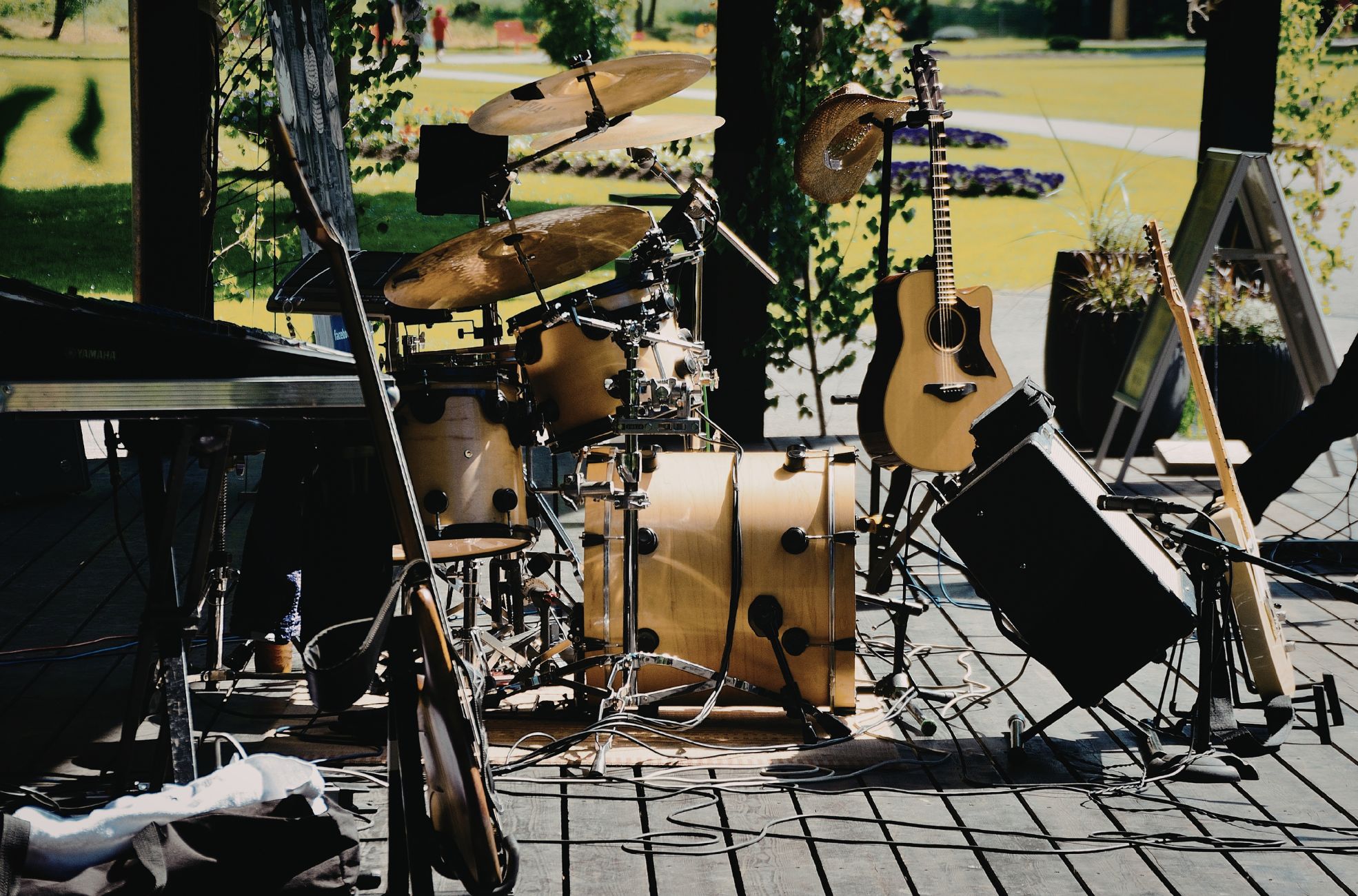
Live musicians are especially effective here because they can adjust tempo, volume and tone in real time, which helps different age groups and social styles stay comfortable.
Choose “Social” Entertainment Before “Stage” Entertainment
When industries and vibes are mixed, social entertainment usually outperforms anything that demands full attention for long stretches. It gives guests permission to engage at their comfort level.
Great examples include:
- Roving magicians and close-up moments that break the ice
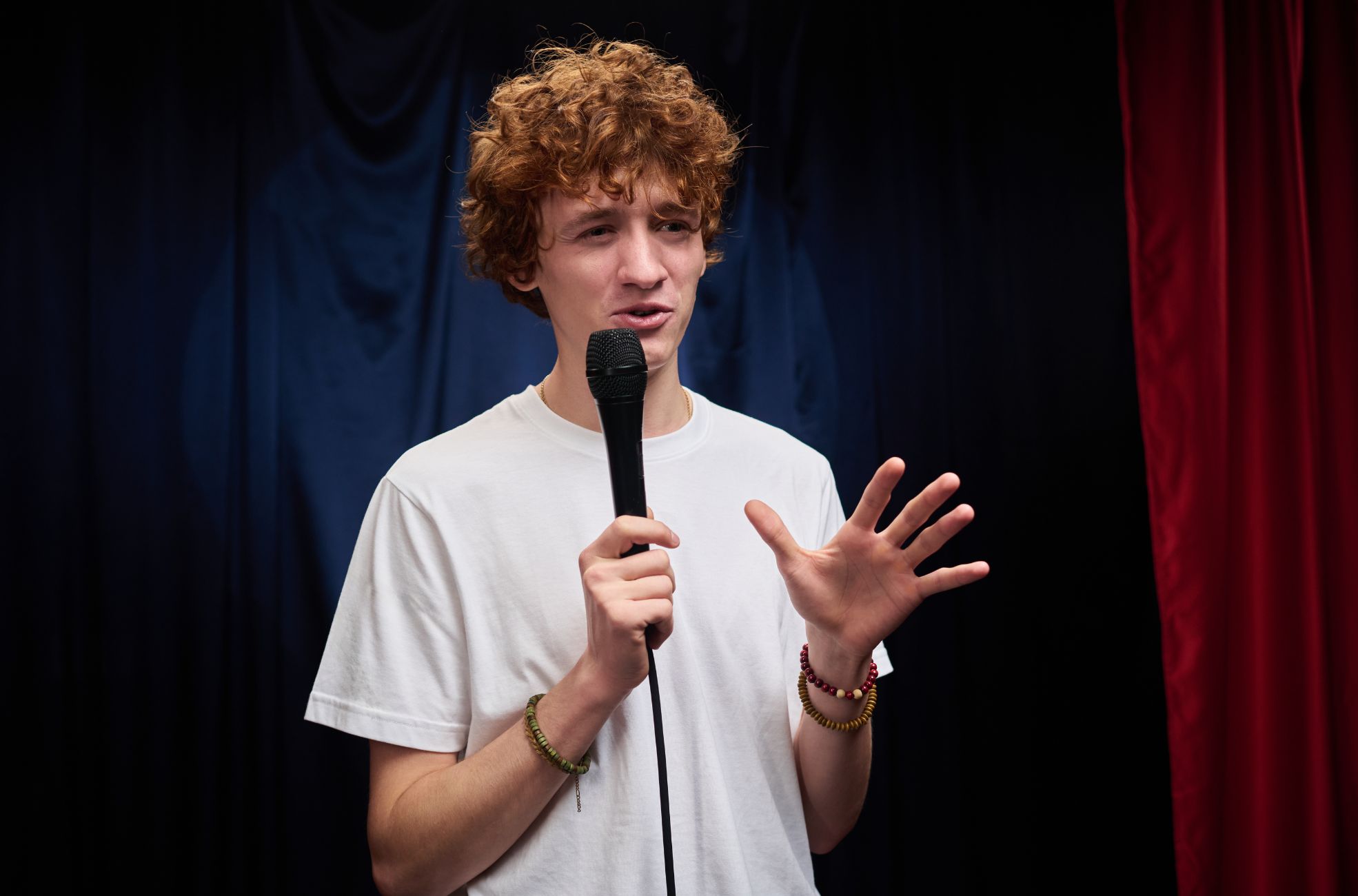
- Comedians used in short bursts rather than long headline sets
- Acoustic acts that move between ambience and spotlight
- MCs who guide the room without dominating it
The goal is shared moments, not forced participation. Interactive formats have grown because guests want to feel part of the experience, even if they never step onto a stage.
The MC Is Your Secret Weapon for Mixed Rooms
A skilled MC is often the difference between a mixed audience that blends beautifully and one that fractures into pockets. The MC’s job is not to talk constantly. It is to translate the run sheet into a guest experience.
In mixed groups, a strong MC:
- Keeps transitions short and clear
- Introduces speakers so they land with warmth
- Protects the room from long, awkward gaps
- Reads energy and adjusts pacing on the fly
If your event includes guest speakers, a good MC can support them with timing, mic handling, and gentle stage management so the audience stays engaged.
Plan “Low-Pressure Participation” Moments
Mixed audiences tend to dislike anything that singles people out. They respond far better to light, optional participation—moments that invite involvement without demanding it.
Know how to read a crowd. Use one or two short activations, then let the room breathe. In 2026, the most effective interaction feels casual and confident, not over-produced.
A few options that work across ages and industries:
- A quick, guided toast moment with a warm lead-in
- A short team-based trivia segment between courses
- A table-side entertainment “mini moment” where performers create a tiny crowd, then move on
These formats work because they create micro-peaks—small shared experiences that lift the room without shifting the whole event into “performance mode”.
Don’t Ignore Sensory Comfort
With mixed ages and neurodiversity in any crowd, sensory comfort matters more in 2026 than it did even a few years ago. The easiest win is to avoid extremes: overly loud music, harsh lighting, overcrowded layouts, and confusing signage.
Practical moves that improve inclusion:
- Create a quieter space guests can step into for a reset
- Keep volume at a level that supports conversation early
- Use lighting that flatters, not floods
- Offer clear visual cues for key areas
These choices help more people stay longer and enjoy the event on their terms.
Build the Room So Different Vibes Can Coexist
A mixed-vibe audience needs permission to enjoy the event differently. The best way to do that is zoning.
Instead of one undifferentiated space, aim for:
- A lively zone near event entertainment and the bar
- A conversation zone with softer sound and seating
- A “float” zone where people can drift between the two
If your venue allows it, lighting and speaker placement can reinforce these stage setup zones. Guests then self-select their ideal guest experience without anyone feeling left out.
Use Feature Moments Sparingly, but Make Them Count
In mixed rooms, a big act can be brilliant—if it is timed correctly and kept concise. Aerial acts, fire dancers, and high-impact specialty performances are best used as punctuation, not wallpaper.
What works well:
- One surprise feature after dinner
- A short spectacle to mark an award reveal or key celebration
- A strong opener that sets tone, then clears space for socialising
These moments land best when the room is already warmed up and guests feel comfortable.
Match Entertainment Style to Industry Culture
A mixed-industry crowd often includes different comfort zones around humour, noise, and formality. A finance-heavy group might prefer refined, low-interruption entertainment early, while a creative-heavy group might lean into playfulness sooner.
This is where a curated mix helps. For example:
- Start with acoustic ambience and a polished MC
- Add roving magic during networking
- Introduce a short comedy set only if the tone fits
- Finish with a band or DJ-led celebration if the audience is asking for it
When entertainment for mixed audiences respects industry tone, guests feel understood rather than managed.
Keep Speeches Short and Emotionally Varied
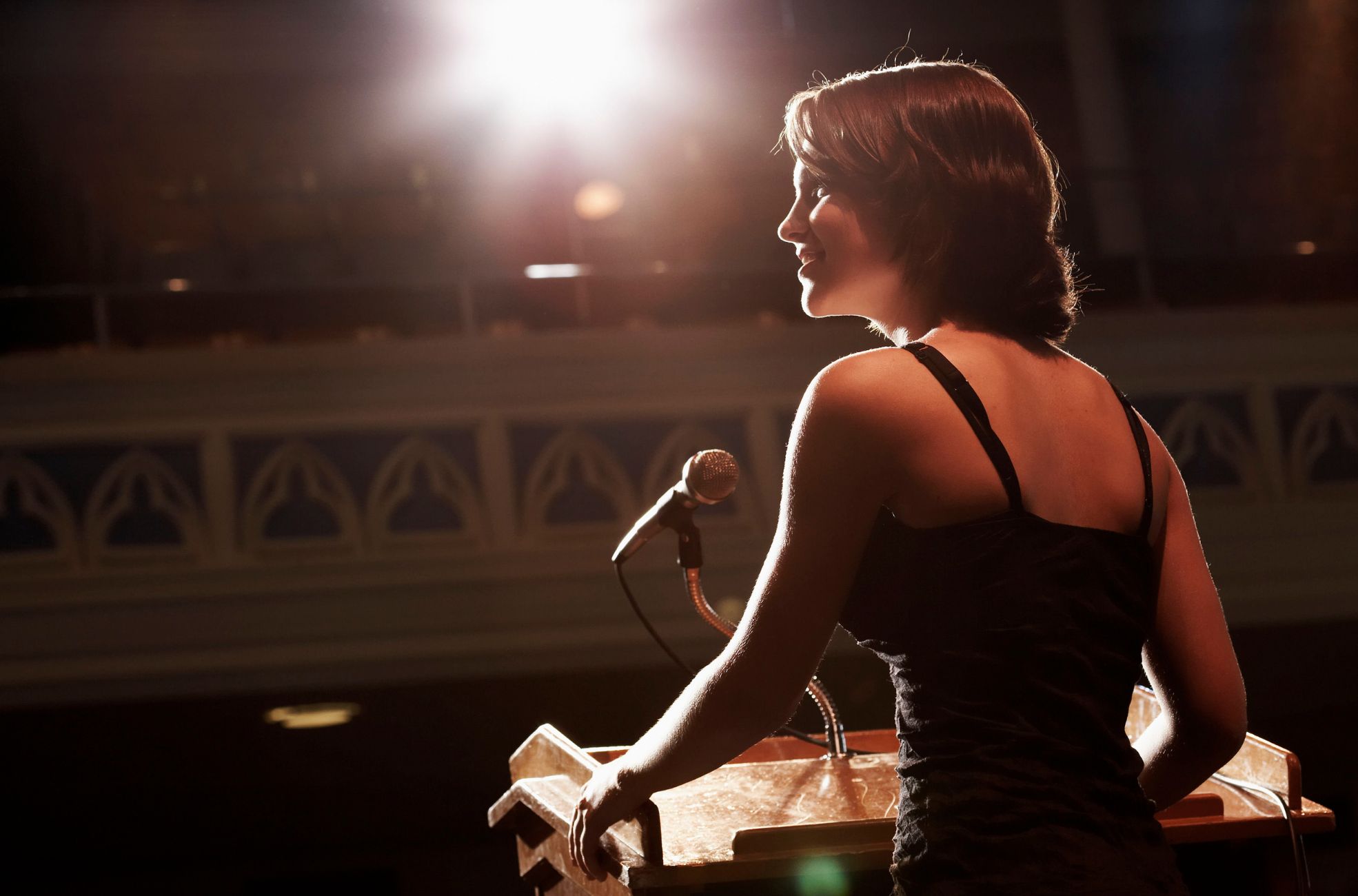
Nothing divides a room faster than long, repetitive speeches. If you have guest speakers, structure them like a setlist: short, varied, and well-placed.
A practical approach:
- Limit the number of speakers
- Give clear time guidance
- Spread speeches across the event instead of stacking them
- Use music cues to reset attention between segments
This keeps formal moments meaningful without draining momentum.
A Quick Guide to “What to Book When”
Here’s a practical table you can use near the end of planning, once you understand your audience and event purpose.
| Audience Mix Challenge | What Guests Need Most | Entertainment Formats That Work Well |
|---|---|---|
| Mixed ages, family-style celebration | Warmth and shared moments | Acoustic acts, roving magic, MC-led transitions |
| Corporate awards with varied departments | Clear pacing and confidence | Professional MC, short feature moments, ambient live music |
| Networking-heavy industry event | Conversation support and ice-breakers | Soundscaping, roaming performers, subtle interactive moments |
| High-energy party with mixed comfort levels | Optional engagement and zones | DJ or band later, lounge zone, short spectacle feature |
| Outdoor or large open venue | Defined atmosphere and structure | Soundscaping, staged focal point, roaming performers |
The Planning Shortcut: Curate a “Journey”, Not a Lineup
If you remember one thing, make it this: mixed audiences don’t need more entertainment—they need better sequencing.
In 2026, the most successful events feel like a journey:
- The room is welcomed
- Conversation is protected
- Energy is lifted gradually
- One or two moments become unforgettable
- The ending feels intentional
That is the difference between a crowd that stays fragmented and one that feels connected.
Final Thoughts
Entertaining a mixed room is not about pleasing everyone at every moment. It is about designing flexibility into the experience so guests can engage in different ways without the event feeling divided. When entertainment is layered, pacing is considered and atmosphere is shaped with intention, mixed audiences begin to feel cohesive rather than complicated.
In 2026, the strongest mixed-audience events are those that feel confident and well-paced, allowing space for conversation, shared moments and gradual energy shifts. This balance helps guests stay longer and enjoy the event on their own terms.
Shaping that flow requires more than simply booking performers — it calls for thoughtful sequencing and experience-led planning. Onstage supports hosts by curating entertainment that suits the audience, venue and purpose of the event, helping mixed rooms feel connected from arrival through to the close. Contact us today for further assistance in planning your next event.