Events in 2026 are becoming more intentional, more immersive and more human. After years of shifting formats, changing expectations and creative experimentation, one thing is clear: guests no longer want events that simply look good. They want events that feel considered, engaging and memorable from the moment they arrive.
Across corporate functions, weddings and private celebrations, trends are converging around experience-led design. Entertainment, sound, lighting and flow are being used strategically rather than as add-ons. At the same time, hosts are becoming more selective, favouring quality and relevance over excess.
The events gaining the most traction in 2026 are not necessarily the biggest or most expensive. They are the ones that understand their audience, use space creatively and deliver moments that feel genuine rather than forced.
Below is a detailed look at the key trends shaping events in 2026, and how they are being applied across different event types.
Experience First, Everything Else Second
One of the strongest trends moving into 2026 is a clear shift away from checklist-style planning. Hosts are starting with experience goals rather than suppliers or décor ideas.
Instead of asking “What should we book?”, planners are asking:
- How should guests feel when they arrive?
- When should energy rise or soften?
- What moments should people still be talking about next week?
This approach is influencing everything from run-sheets to entertainment choices. Events are being designed as journeys, with deliberate pacing and emotional peaks rather than a series of disconnected elements.
Soundscaping Becomes a Core Design Tool
Soundscaping is no longer an afterthought. In 2026, it is being treated as a foundational design element across all event types.
Rather than relying on silence between moments or default playlists, hosts are using layered sound to shape mood:
- Soft ambient entertainment or music during arrivals
- Live acoustic sets during networking or drinks
- Subtle tonal shifts as daylight moves into evening
- Energy lifts through rhythm rather than sudden volume changes
This trend is particularly strong in outdoor events and large open spaces, where sound helps define zones and guide guest movement without signage or announcements.
Flexible Entertainment Over Fixed Performances
Entertainment in 2026 is becoming more adaptable. Fixed, start-to-finish performances are giving way to flexible formats that can respond to the room.
Popular formats include:
- Solo musicians who adjust tempo and genre in real time
- Bands that shift between background and feature moments
- DJs working alongside live instrumentalists
- Roving performers who activate different spaces
This flexibility allows events to feel more natural and less scripted, especially in corporate and mixed-age celebrations.
Corporate Events: From Formal to Experiential
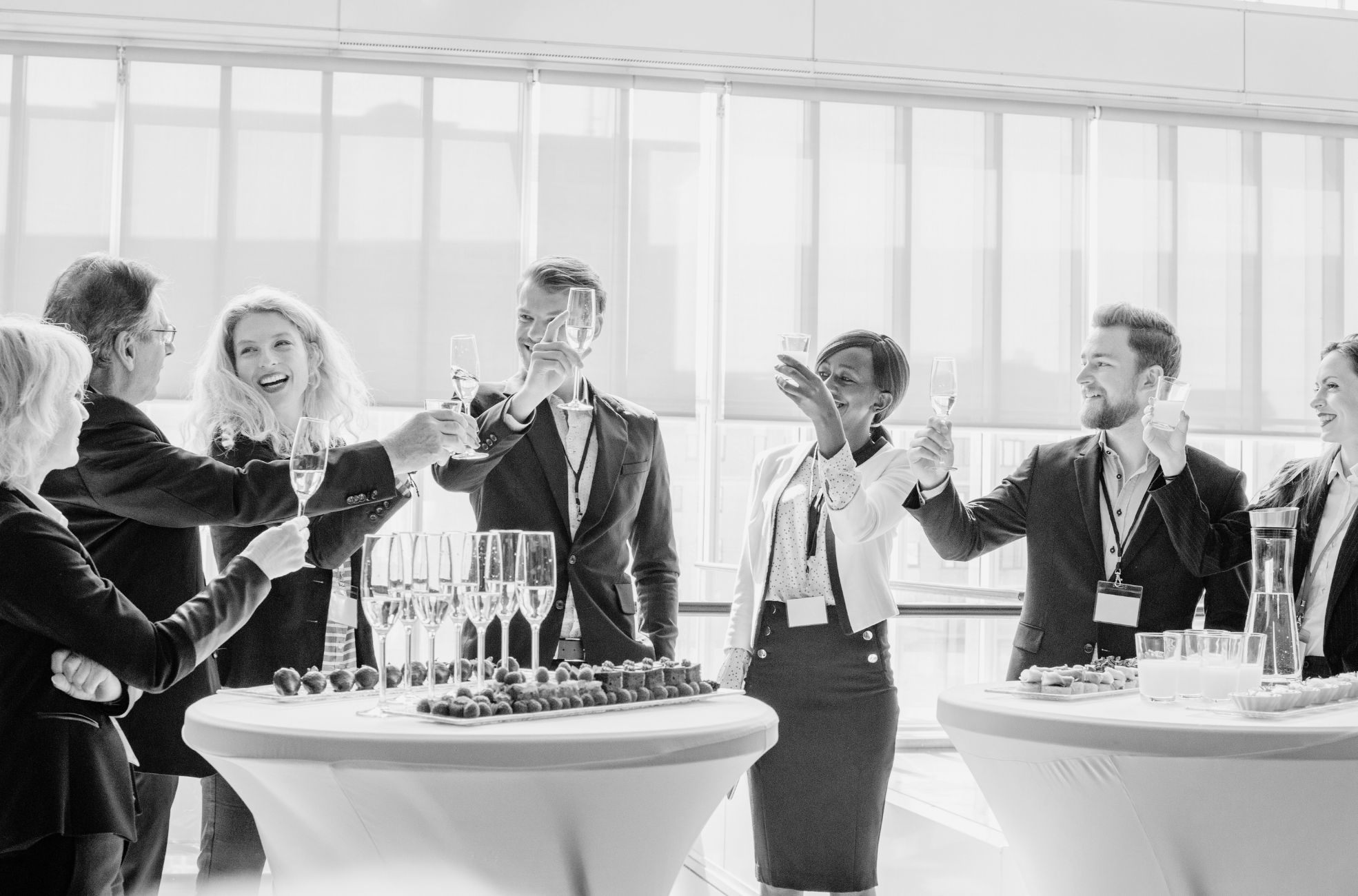
Corporate functions in 2026 are moving away from rigid formalities. Even awards nights and conferences are being designed with social flow and atmosphere in mind.
Key corporate trends include:
Entertainment That Encourages Interaction
Rather than stage-only performances, corporate events are using entertainment to encourage connection:
- Roving magicians during networking
- Live musicians moving between spaces
- Short, high-impact performances instead of long shows
This approach keeps energy high without interrupting conversation.
Elevated MCs and Hosts
Professional hosts are being used not just to announce segments, but to shape tone. A strong MC now acts as a guide, helping audiences transition smoothly between content, celebration and social moments.
Visual Simplicity With Strong Lighting
Clean staging paired with intelligent lighting is replacing heavy branding and cluttered visuals. Lighting is used to highlight speakers, soften rooms and create atmosphere rather than overwhelm.
Weddings: Personal, Intentional and Unrushed
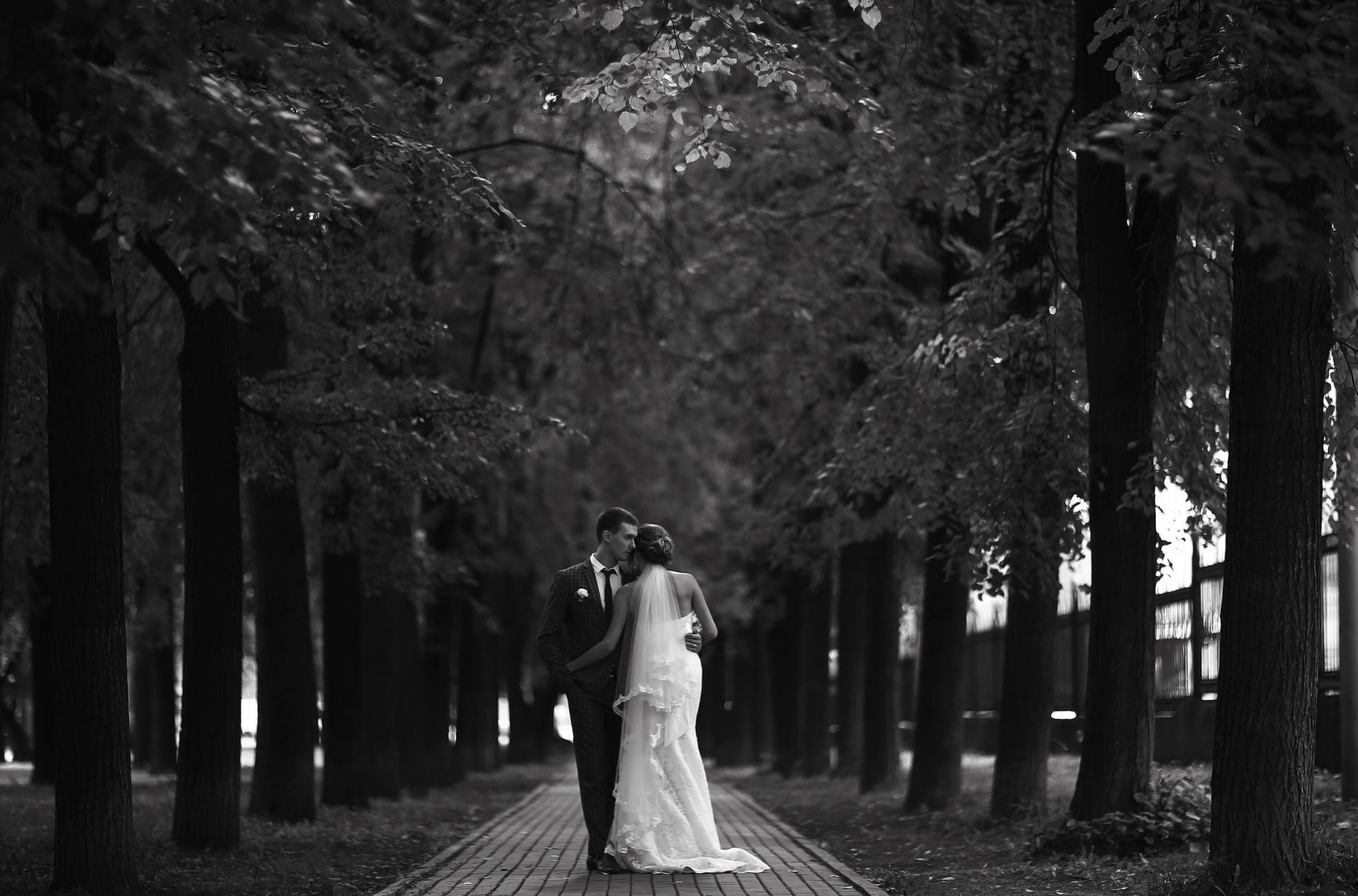
Weddings in 2026 continue to move away from tradition-driven planning and toward deeply personal celebrations.
Key wedding trends include:
Non-Traditional Timelines
Couples are redesigning timelines to suit how they actually want to spend the day. Longer cocktail hours, relaxed dinners and earlier dancing are becoming common.
This allows entertainment to be woven through the day rather than saved for the final hours.
Music That Tells a Story
Rather than standard wedding playlists, couples are choosing music that reflects shared memories and personality. Bands and DJs are being briefed more thoroughly so music feels personal rather than generic.
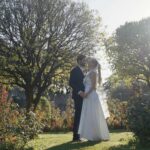
Live music during ceremonies and arrival moments remains popular, particularly acoustic or instrumental acts that complement natural settings.
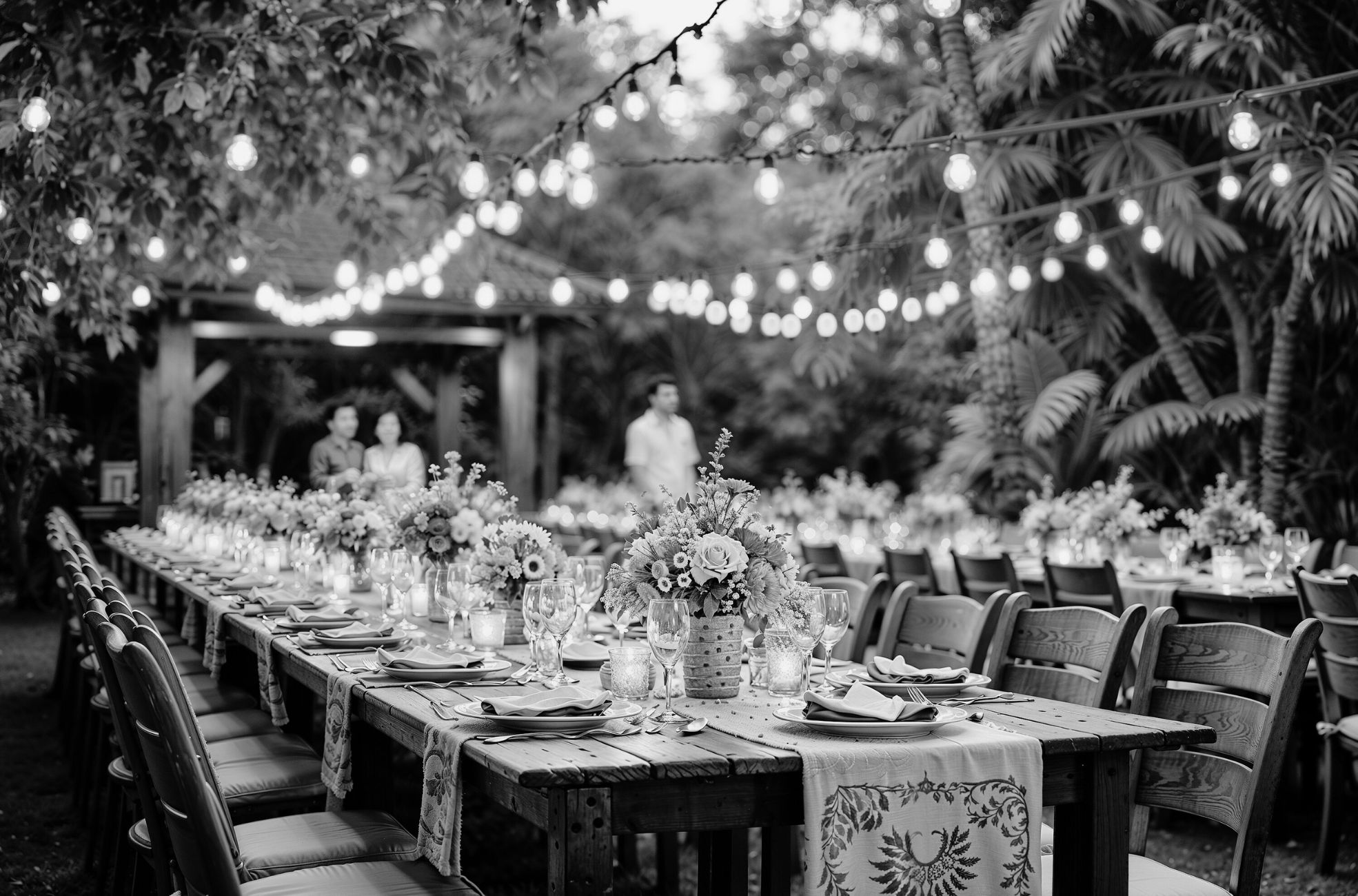
Outdoor Spaces Used More Creatively
Outdoor weddings are being designed with clearer structure:
- Defined ceremony and performance zones
- Subtle staging integrated into the landscape
- Lighting used to extend the celebration into the evening
Entertainment plays a key role in making outdoor spaces feel intentional rather than empty.
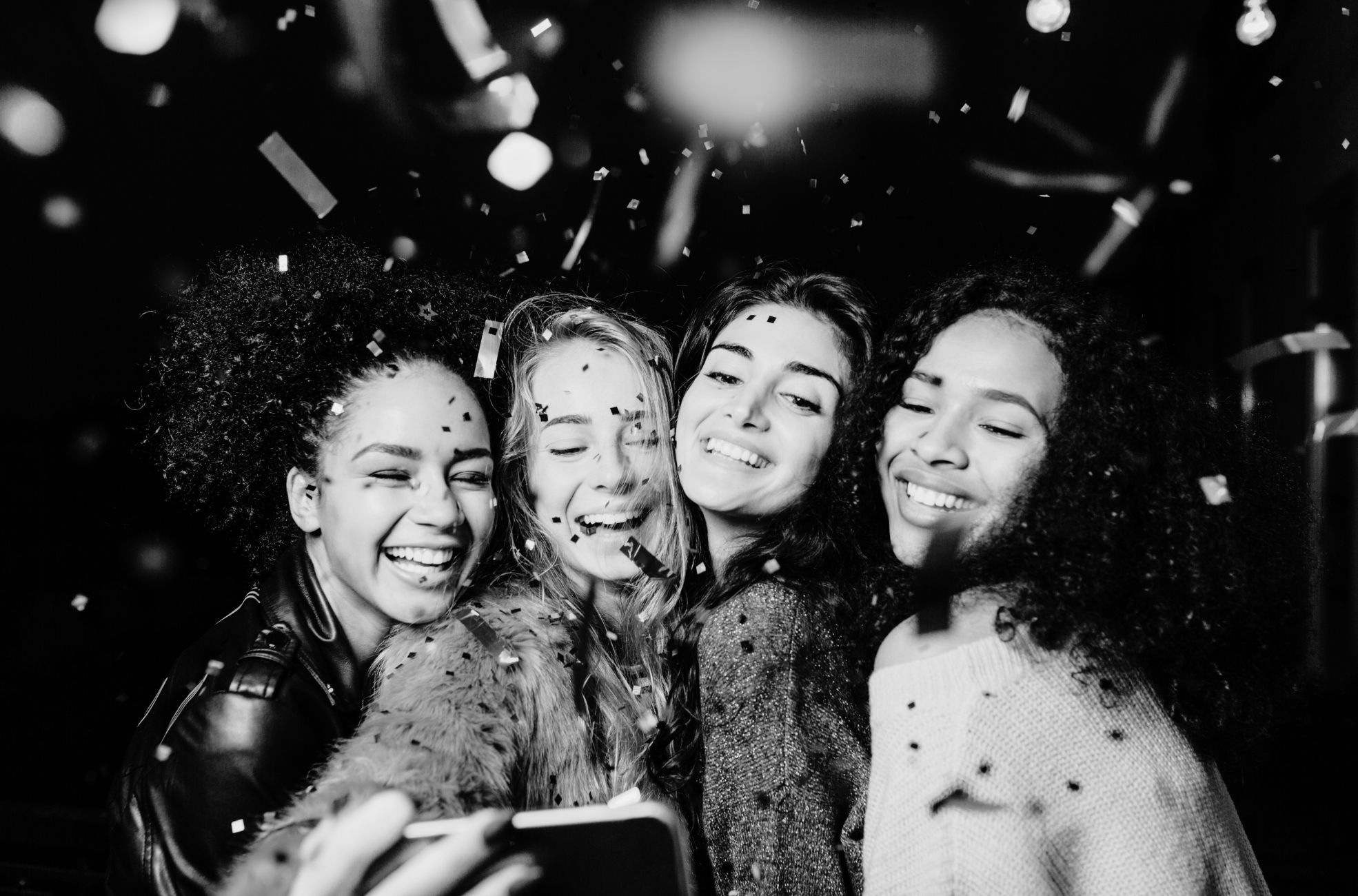
Party Entertainment: Immersive, Playful and Unexpected
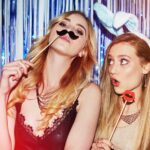
Private celebrations in 2026 are leaning into creativity. Birthdays, engagement parties, hen’s nights, buck’s nights and milestone events are embracing entertainment that surprises without feeling overproduced.
Trends include:
Interactive Entertainment
Guests are no longer content to simply watch. Interactive formats are growing rapidly:
- Roving performers
- Audience-led music moments
- Performers who invite participation without pressure
This creates shared experiences that feel organic rather than staged.
Themed Events Done With Subtlety
Themes are still popular, but they are being handled with restraint. Instead of costumes or literal décor, themes influence:
- Music style
- Lighting colour palettes
- Food and drink presentation
- Entertainment tone
This keeps events cohesive and stylish rather than novelty-driven.
Technology That Supports, Not Distracts
While technology remains part of events, the trend for 2026 is subtle integration.
Rather than flashy tech displays, hosts are using:
- Smart lighting systems
- Compact, high-quality sound
- AI-assisted music planning
- Seamless AV transitions
Technology is there to support experience, not dominate it.
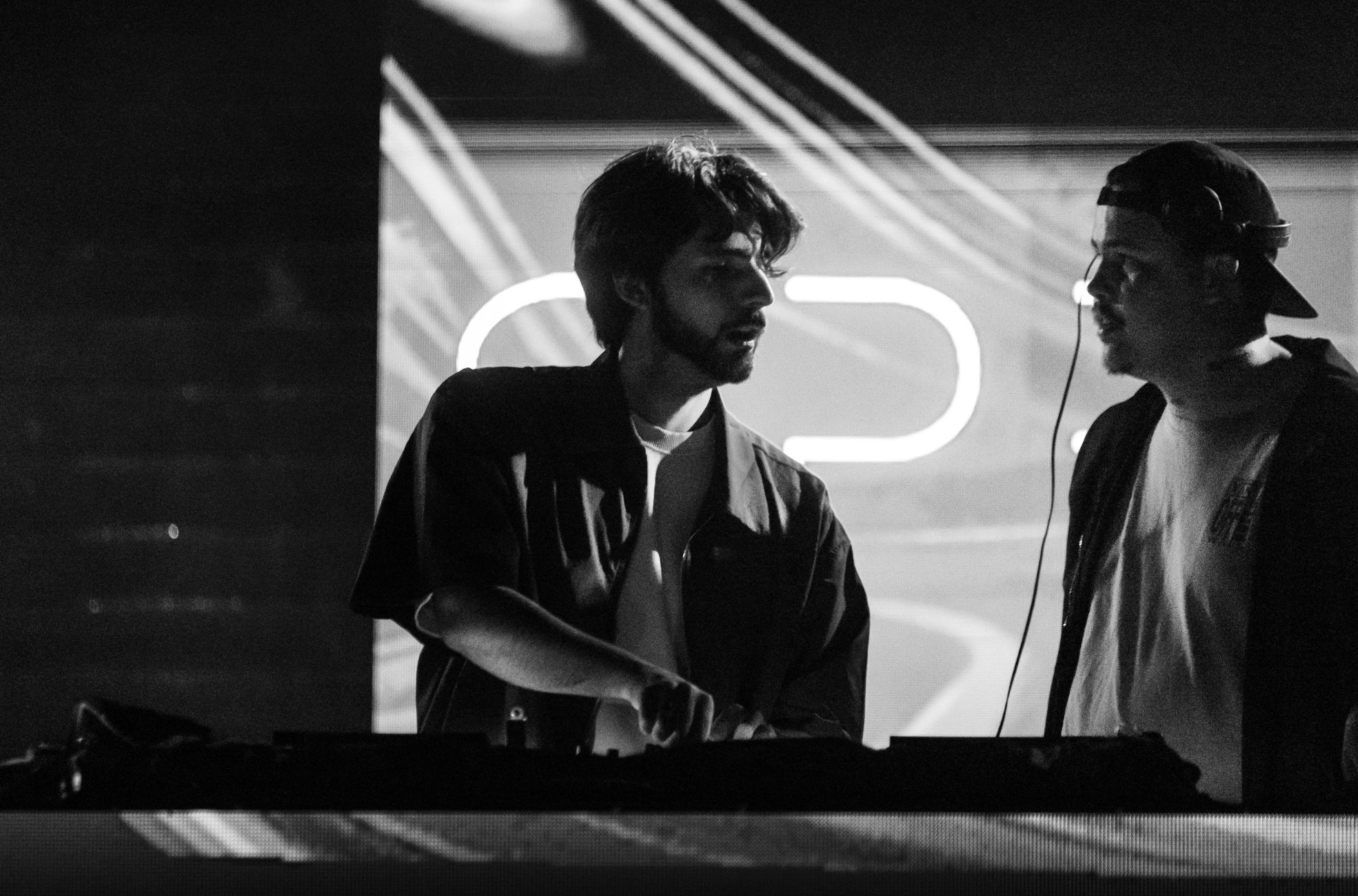
AI DJs and Hybrid Music Formats
AI-driven music platforms are gaining traction, particularly for smaller events or early portions of the night. When combined with a confident host or live musician, they can offer a cost-effective solution without sacrificing flow.
Hybrid formats are especially popular:
- Acoustic performers paired with AI playlists
- DJs supported by live saxophone or percussion
- Curated playlists for earlier moments, live acts later
This approach allows flexibility while maintaining atmosphere.
Aerial Acts and Feature Performances as Moments, Not Fillers
Specialty acts such as aerial performers and fire dancers remain popular, but they are being used more strategically in 2026.
Rather than ongoing performances, these acts are positioned as:
- Transition moments
- Evening openers for grand entrances
- Surprise highlights
Used sparingly, they create impact without overwhelming the event.

Sustainability Without Sacrificing Style
Sustainability continues to influence event planning, but the trend is toward subtle, practical choices rather than overt statements.
Examples include:
- Reusable décor elements
- Reduced printed materials
- Local performers and suppliers
- Digital run-sheets and signage
Guests appreciate the intent without feeling lectured, giving a better guest experience.
Smaller Guest Lists, Bigger Impact
Across all event types, guest lists are becoming more intentional. Rather than inviting widely, hosts are prioritising connection.
Smaller guest numbers allow:
- Higher-quality food and drink
- More personalised entertainment
- Better use of space- making big events in small spaces
- Stronger atmosphere
This trend is particularly noticeable in weddings and private celebrations.
Entertainment Management Becomes More Valuable
As events become more layered, the role of entertainment coordination is increasing. Managing performers, timing, sound and transitions requires experience.
Hosts are recognising that professional entertainment management:
- Reduces stress
- Prevents timing issues
- Improves overall flow
- Protects the guest experience
This support is especially valuable for complex events with multiple entertainment elements.
Flow Over Perfection
One of the defining philosophies of 2026 events is a move away from perfectionism. Guests respond more positively to warmth, ease and authenticity than flawless execution.
Events that allow:
- Natural conversation
- Flexible timing
- Spontaneous moments
are consistently remembered more fondly than overly rigid schedules.
What This Means for Hosts in 2026
Whether planning a corporate function, wedding or private celebration, the trends point to a clear direction:
- Design for people, not photos
- Use entertainment to guide energy
- Invest in sound and lighting
- Be selective rather than excessive
- Prioritise flow over formality
Events that follow these principles feel elevated regardless of budget.
Final Thoughts: The Future of Events Is Intentional
In 2026, successful events are those that understand why they exist. They are not about filling time or ticking boxes. They are about connection, atmosphere and shared experience.
From corporate functions that feel human, to weddings that reflect real relationships, to parties that surprise without trying too hard, the common thread is intention.
Entertainment, when used thoughtfully, becomes the tool that ties everything together — shaping moments, supporting flow and creating memories that last far beyond the event itself.
For hosts looking to incorporate these 2026 trends through entertainment, soundscaping, performer curation and experience design, Onstage can help deliver events that feel current, considered and genuinely engaging across corporate, wedding and celebration settings. Get in touch with us today so we can help organise your 2026 event which really hits the mark!